7 Best Vegan Omega 3 Sources for Optimal Health
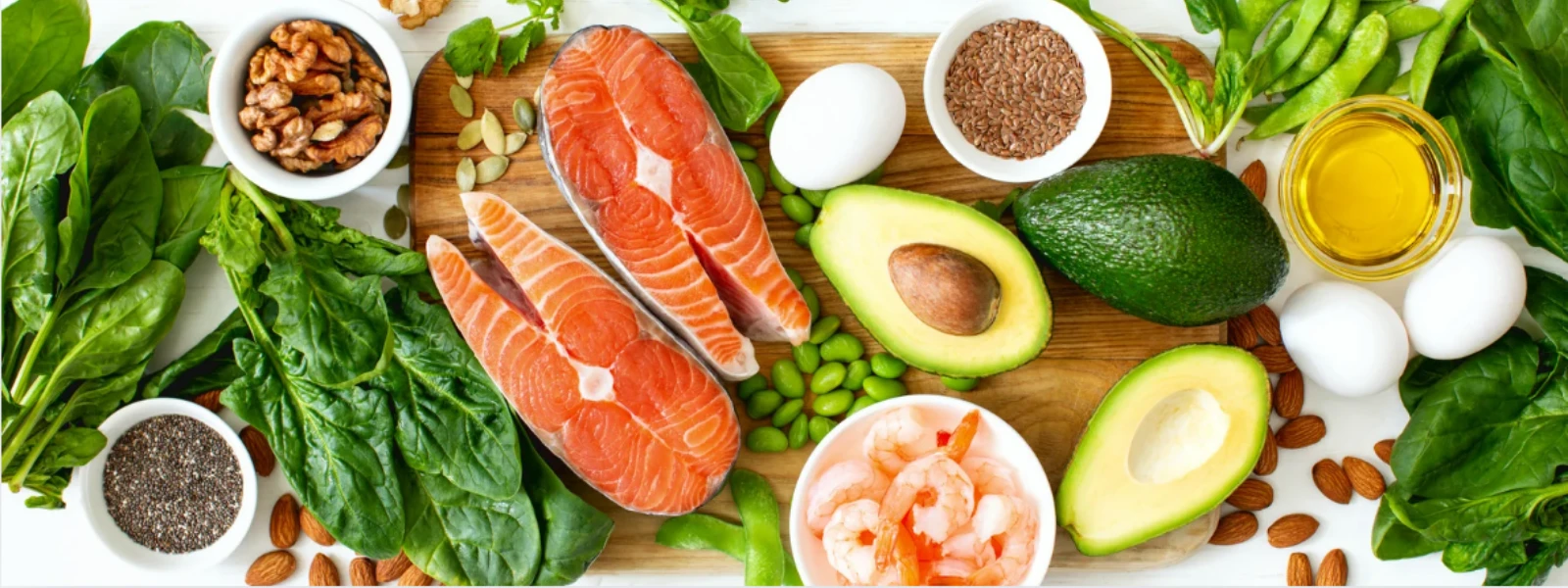


Plant-based diets offer incredible health benefits, but they can leave a gap when it comes to omega 3 fatty acids. While fish oil has long been the go-to source, vegans and vegetarians need alternative solutions that deliver the same powerful benefits for heart, brain, and joint health. Understanding the difference between ALA, EPA, and DHA—the three main types of omega 3s—is crucial for making informed choices about your nutritional needs.
This comprehensive guide explores seven scientifically-backed vegan omega 3 sources that can help you achieve optimal health without compromising your dietary values. You'll discover which sources provide the most bioavailable forms of these essential fatty acids and learn how to create a personalized strategy for meeting your daily omega 3 requirements.
The debate between plant based omega 3 and fish oil centers on bioavailability and sustainability. Traditional fish oil provides direct EPA and DHA, while most plant sources offer ALA (alpha-linolenic acid), which your body must convert to EPA and DHA. This conversion process is relatively inefficient, with only about 5-10% of ALA converting to EPA and less than 1% to DHA.
However, algae-based supplements bridge this gap by providing direct EPA and DHA without the environmental concerns associated with overfishing. Research published in the Journal of Nutritional Science shows that algae oil supplements can raise blood levels of EPA and DHA just as effectively as fish oil, making them an excellent choice for omega 3 for vegans.
Plant-based sources also offer advantages in terms of purity. Fish oil can contain contaminants like mercury, PCBs, and dioxins, while algae-based supplements are typically cleaner and more sustainable. The environmental impact is significantly lower, as algae cultivation requires fewer resources and doesn't contribute to ocean depletion.
Algae oil stands as the gold standard for vegan dha supplement and vegan epa supplement options. Derived from marine microalgae, these supplements provide direct EPA and DHA without requiring conversion from ALA. Studies show that algae oil can deliver 300-1000mg of combined EPA and DHA per serving, matching the potency of fish oil supplements.
The bioavailability of algae omega 3 is exceptional because it bypasses the inefficient ALA conversion process. Research indicates that taking algae oil supplements with meals containing healthy fats can enhance absorption by up to 50%. Look for third-party tested products that guarantee purity and potency.
Chia seeds omega 3 content is impressive, with just one ounce providing approximately 5 grams of ALA. These tiny seeds offer one of the highest concentrations of omega 3s in the plant kingdom. The key to maximizing their benefits lies in proper preparation—soaking chia seeds for 15-20 minutes creates a gel-like consistency that may improve nutrient absorption.
Unlike some other seeds, chia seeds don't require grinding to access their nutrients. Their mild flavor makes them easy to incorporate into smoothies, yogurt, or overnight oats. For optimal results, aim for 1-2 tablespoons daily, which provides about 2.5-5 grams of ALA.
Flaxseeds contain the highest concentration of ALA among commonly available foods, but the grinding process is crucial for absorption. Whole flaxseeds often pass through the digestive system intact, limiting nutrient availability. Flaxseed omega 3 becomes much more bioavailable when the seeds are ground fresh or purchased as flaxseed meal.
Two tablespoons of ground flaxseed provide approximately 3.2 grams of ALA, along with fiber and lignans that offer additional health benefits. Store ground flaxseed in the refrigerator to prevent rancidity, as the omega 3 fats are sensitive to heat and light.
Did You Know?
Your body's ability to convert ALA to EPA and DHA can be enhanced by maintaining optimal ratios of omega 3 to omega 6 fatty acids. Reducing processed foods high in omega 6 oils can improve this conversion rate by up to 40%.
Walnuts provide a convenient and tasty source of ALA, with just one ounce delivering about 2.5 grams. Research published in the American Journal of Clinical Nutrition demonstrates that regular walnut consumption can significantly increase blood levels of ALA and improve cardiovascular health markers.
The optimal serving size is about 1 ounce (14 walnut halves) daily. Beyond omega 3s, walnuts provide protein, fiber, and antioxidants that support overall health. Their versatility makes them easy to include in meals or enjoy as a standalone snack.
Hemp seeds offer a unique advantage with their favorable omega 3 to omega 6 ratio of approximately 1:3, which is closer to the ideal ratio than many other plant sources. Three tablespoons provide about 1 gram of ALA along with complete protein containing all essential amino acids.
The mild, nutty flavor of hemp seeds makes them an excellent addition to salads, smoothies, or cereals. Unlike some other seeds, hemp seeds are naturally soft and don't require grinding for optimal absorption.
Seaweed omega 3 content varies by species, with some varieties like nori and wakame providing small amounts of EPA and DHA directly. While the concentrations are lower than algae supplements, seaweed offers the advantage of being a whole food source with additional minerals like iodine and magnesium.
Incorporating seaweed into your diet through sushi, salads, or soups can contribute to your overall omega 3 intake while providing unique flavors and textures. However, seaweed alone is unlikely to meet your complete omega 3 needs.
Many plant-based foods are now fortified with algae-derived omega 3s, including plant milks, cereals, and nutritional bars. While convenient, it's important to read labels carefully to understand the actual omega 3 content and type (ALA vs. EPA/DHA).
Fortified foods can supplement your omega 3 intake but shouldn't be relied upon as your primary source. The amounts are often modest, and the bioavailability may vary depending on the food matrix and processing methods.
When choosing a vegan dha supplement or vegan epa supplement, prioritize algae-based products that have undergone third-party testing for purity and potency. Look for supplements that provide at least 250-500mg of combined EPA and DHA per serving, which aligns with recommendations from major health organizations.
Quality indicators include molecular distillation for purity, sustainable sourcing certifications, and clear labeling of EPA and DHA content. Avoid products with unnecessary fillers or artificial additives that may interfere with absorption.
Cost-effectiveness varies significantly among brands, but investing in a high-quality algae oil supplement often provides better value than multiple lower-quality alternatives. Consider the cost per milligram of EPA and DHA when comparing options.
Timing and food combinations can significantly impact omega 3 absorption. Taking supplements with meals containing healthy fats like avocado, nuts, or olive oil can enhance uptake. Avoid taking omega 3 supplements with high-fiber meals, as fiber may interfere with absorption.
Managing your omega 6 intake is equally important for maximizing vegan omega 3 benefits. Excessive omega 6 consumption from processed foods and certain oils can interfere with omega 3 metabolism. Focus on whole foods and minimize processed snacks and fried foods.
Proper storage is crucial for maintaining potency. Keep supplements in a cool, dark place, and refrigerate opened bottles of liquid omega 3 products. Ground flaxseed and chia seeds should also be stored in the refrigerator to prevent rancidity.
While it's possible to meet ALA requirements through food sources like flaxseeds, chia seeds, and walnuts, obtaining adequate EPA and DHA typically requires algae-based supplements. The conversion rate from ALA to EPA and DHA is too low to rely on food sources alone for these crucial fatty acids.
The recommended daily intake varies by individual needs, but general guidelines suggest 1.1-1.6 grams of ALA for adults, plus 250-500mg of combined EPA and DHA. Athletes or individuals with specific health concerns may benefit from higher amounts under professional guidance.
Research demonstrates that algae-based omega 3 supplements are equally effective at raising blood levels of EPA and DHA compared to fish oil. Some studies suggest algae oil may even have superior bioavailability due to its cleaner composition and lack of contaminants.
Taking omega 3 supplements with meals, particularly those containing healthy fats, optimizes absorption. Many people prefer taking them with dinner to avoid any potential fishy aftertaste, though this is less common with algae-based products.
Blood levels of EPA and DHA typically increase within 2-4 weeks of consistent supplementation. However, noticeable health benefits like improved joint comfort or cognitive function may take 8-12 weeks of regular intake to become apparent.
Achieving optimal omega 3 status on a plant-based diet requires a strategic approach that combines the best vegan omega 3 sources with smart supplementation. While foods like chia seeds, flaxseeds, and walnuts provide valuable ALA, algae-based supplements remain the most reliable source of EPA and DHA for vegans. The key lies in understanding your individual needs, choosing high-quality sources, and maintaining consistency in your approach. By implementing these evidence-based strategies, you can enjoy all the cardiovascular, cognitive, and anti-inflammatory benefits of omega 3 fatty acids while staying true to your plant-based lifestyle.




Someone sent you
Powered by ReferRush


