7 Essential Steps to Boost Gut Resilience Now
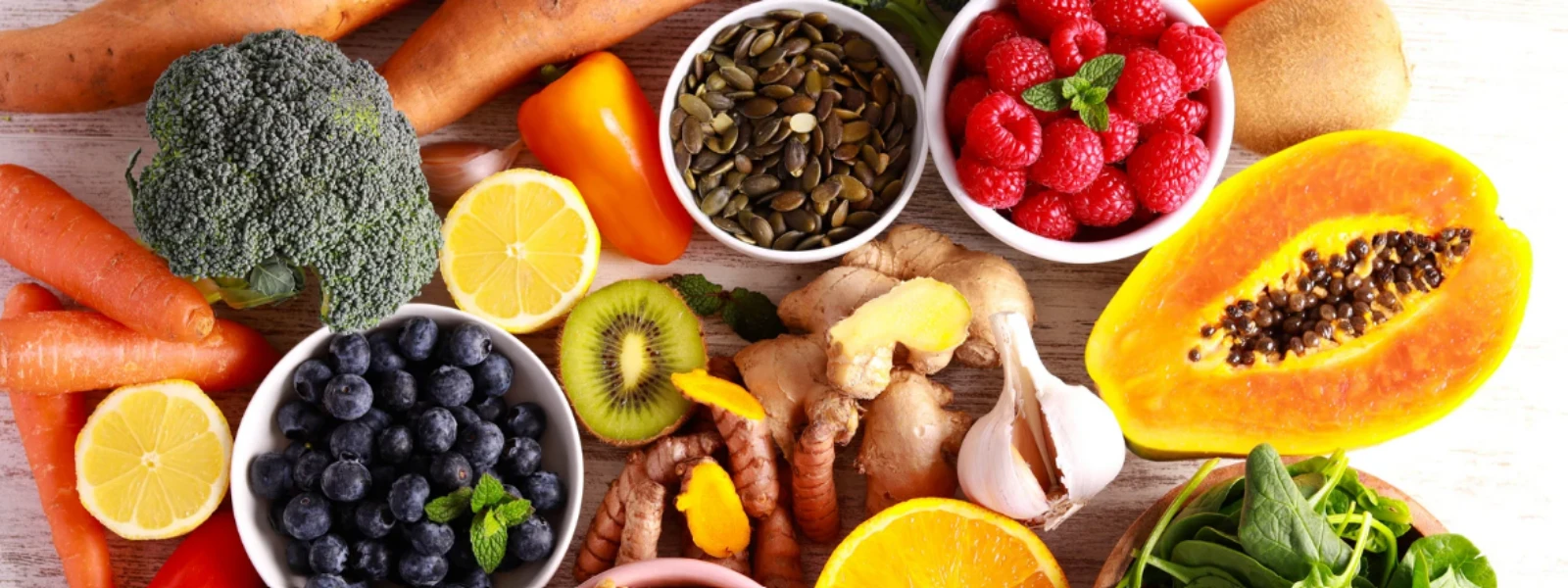


Your gut health determines 70% of your immune function, yet most people unknowingly damage their gut resilience daily through common lifestyle choices. The good news? Building a resilient gut doesn't require drastic changes—just the right knowledge and consistent action.
Gut resilience refers to your digestive system's ability to maintain balance and recover quickly from stressors like poor diet, illness, or environmental toxins. When your gut is resilient, it can better support your immune system, mental clarity, and overall energy levels. This comprehensive guide will walk you through seven essential steps to strengthen your gut's natural defenses and improve your digestive health for the long term.
Gut resilience is your digestive system's capacity to withstand challenges while maintaining optimal function. Think of it as your gut's immune system—the stronger it is, the better it can handle stress, poor food choices, medications, and environmental toxins without losing balance.
A resilient gut maintains a healthy balance of beneficial bacteria, produces adequate digestive enzymes, and keeps the intestinal barrier strong. This translates to better nutrient absorption, stronger immunity, improved mood regulation, and reduced inflammation throughout your body.
Signs of strong gut resilience include regular bowel movements, minimal bloating after meals, stable energy levels, and fewer digestive upsets when you occasionally eat something that doesn't agree with you. Poor gut resilience, on the other hand, shows up as frequent digestive issues, food sensitivities, low energy, and increased susceptibility to infections.
Your gut microbiome—the collection of trillions of bacteria, fungi, and other microorganisms living in your digestive tract—is the cornerstone of gut resilience. A diverse, balanced microbiome acts like a protective shield, crowding out harmful bacteria and supporting your intestinal barrier.
Research shows that people with more diverse gut bacteria tend to have stronger immune systems and better overall health. However, modern lifestyle factors like processed foods, antibiotics, chronic stress, and lack of sleep can reduce this diversity and weaken your gut's natural defenses.
The key to improving gut microbiome health lies in feeding the beneficial bacteria what they need to thrive—and that's where prebiotics come into play.
Prebiotics are specialized plant fibers that serve as food for beneficial gut bacteria. Unlike probiotics, which add new bacteria to your gut, prebiotics nourish the good bacteria already living there, helping them multiply and strengthen your gut's natural defenses.
When beneficial bacteria ferment prebiotic fibers, they produce short-chain fatty acids (SCFAs) like butyrate, acetate, and propionate. These compounds are crucial for maintaining the integrity of your intestinal lining, reducing inflammation, and supporting immune function. Studies show that regular prebiotic consumption can improve gut barrier function within 2-4 weeks.
Clinical research demonstrates that prebiotics can increase beneficial bacteria populations by 10-100 fold, depending on the type and dosage. This dramatic shift in gut flora balance directly translates to improved gut resilience and better overall digestive health.
Multiple studies have confirmed that prebiotics offer significant benefits for gut health improvement. A 2019 study published in the Journal of Functional Foods found that participants who consumed 5-10 grams of prebiotics daily showed increased levels of Bifidobacterium and Lactobacillus—two key beneficial bacteria strains.
Research also shows that prebiotics can reduce intestinal permeability (often called "leaky gut") by up to 25% within six weeks. This improvement in gut barrier function helps prevent toxins and undigested food particles from entering your bloodstream, reducing systemic inflammation.
Did You Know?
Your gut produces about 95% of your body's serotonin—the "happy hormone." A resilient gut microbiome is essential for maintaining stable mood and mental clarity throughout the day.
The most effective way to boost your prebiotic intake is through whole foods that naturally contain these beneficial fibers. Jerusalem artichokes top the list with about 2 grams of prebiotics per tablespoon, followed by garlic (1.8 grams per clove), onions (1.3 grams per half cup), and asparagus (1.2 grams per half cup).
Other excellent prebiotic foods include green bananas, oats, apples with skin, flaxseeds, and chicory root. Aim for 5-15 grams of prebiotic fiber daily, starting with smaller amounts and gradually increasing to avoid digestive discomfort.
For best results, eat prebiotic foods raw when possible, as cooking can break down some of the beneficial fibers. If you must cook them, use gentle methods like steaming or light sautéing to preserve their prebiotic content.
Building prebiotic foods into your daily routine doesn't have to be complicated. Start your day with oatmeal topped with sliced green banana and ground flaxseed. Add raw garlic to salad dressings, include asparagus in your lunch, and snack on apples with the skin on.
Combining prebiotic foods with probiotic-rich options like yogurt, kefir, or fermented vegetables creates a synergistic effect that enhances gut health benefits. This combination, known as "synbiotics," provides both the beneficial bacteria and the food they need to thrive.
While whole foods should be your primary source of gut-supporting nutrients, targeted gut health supplements can provide additional support for building resilience. Look for multi-strain probiotic supplements containing at least 10-50 billion CFUs with diverse bacterial strains including Lactobacillus and Bifidobacterium species.
Digestive enzymes can help improve nutrient absorption, especially if you experience bloating or discomfort after meals. L-glutamine, an amino acid, supports gut lining repair and can be particularly beneficial if you're dealing with increased intestinal permeability.
Prebiotic supplements containing inulin, fructo oligosaccharides (FOS), or galactooligosaccharides (GOS) can complement your dietary prebiotic intake, especially during times of stress or when traveling.
Take probiotics on an empty stomach, preferably first thing in the morning or before bed, to maximize bacterial survival through stomach acid. Digestive enzymes should be taken with meals, while L-glutamine is most effective when taken between meals on an empty stomach.
Start with lower doses and gradually increase to allow your gut to adapt. Most people see improvements in digestive symptoms within 2-4 weeks of consistent supplementation, though full gut resilience building may take 2-3 months.
Chronic stress is one of the biggest threats to gut resilience. When you're stressed, your body produces cortisol and other stress hormones that can disrupt gut bacteria balance and weaken your intestinal barrier. The gut-brain axis—the communication pathway between your digestive system and brain—means that mental stress directly impacts your digestive health.
Implement daily stress-reduction practices like deep breathing exercises, meditation, or gentle yoga. Even 10-15 minutes of mindful breathing can help activate your parasympathetic nervous system, which supports optimal digestion and gut healing.
Prioritize 7-9 hours of quality sleep each night, as poor sleep disrupts gut bacteria balance and reduces gut barrier function. Create a consistent bedtime routine and avoid screens for at least an hour before sleep to support your body's natural circadian rhythms.
Regular physical activity is one of the most effective ways to increase gut bacteria diversity and improve gut resilience. Moderate aerobic exercise for 30-45 minutes, 3-4 times per week, has been shown to increase beneficial bacteria populations and improve gut barrier function.
Resistance training also supports gut health by reducing inflammation and improving insulin sensitivity, which indirectly benefits your gut microbiome. However, avoid excessive high-intensity exercise, as it can temporarily increase intestinal permeability and stress your digestive system.
Time your workouts appropriately—avoid intense exercise immediately after large meals, as this can interfere with digestion and nutrient absorption.
Intermittent fasting can be a powerful tool for gut detoxification and resilience building. During fasting periods, your digestive system gets a break from processing food, allowing it to focus on repair and maintenance activities.
The 16:8 method (eating within an 8-hour window and fasting for 16 hours) is a gentle approach that most people can sustain long-term. This fasting pattern supports autophagy—your body's natural cellular cleanup process—which helps remove damaged cells and proteins from your gut lining.
Start slowly with a 12-hour fast and gradually extend the fasting window as your body adapts. Always break your fast with easily digestible, nutrient-dense foods to support optimal gut function.
Environmental toxins from household cleaners, personal care products, and contaminated water can disrupt your gut microbiome and weaken gut resilience. Common culprits include antibacterial soaps, artificial fragrances, and chlorinated water.
Switch to natural cleaning products, choose personal care items with minimal ingredients, and consider installing a water filter to remove chlorine and other chemicals. These simple changes can significantly reduce your toxic load and support better gut health.
Focus on eating organic produce when possible, especially for the "dirty dozen" fruits and vegetables that tend to have higher pesticide residues. Even small reductions in toxin exposure can have meaningful impacts on your gut microbiome over time.
Tracking your progress is essential for building sustainable gut health improvements. Keep a simple daily log of digestive symptoms, energy levels, mood, and bowel movement quality. Look for patterns and improvements over 2-4 week periods rather than day-to-day fluctuations.
Pay attention to how quickly you recover from digestive upsets, your tolerance for previously problematic foods, and your overall energy stability throughout the day. These functional improvements often appear before measurable changes in gut bacteria populations.
Consider at-home gut microbiome testing every 3-6 months to track bacterial diversity and specific strain populations. While these tests aren't perfect, they can provide valuable insights into your gut health trends over time.
Start with one or two changes in week one—perhaps adding prebiotic foods to your breakfast and implementing a 10-minute evening stress-reduction routine. Add new elements every 1-2 weeks to avoid overwhelming your system and ensure sustainable habit formation.
Weeks 1-2: Focus on dietary changes and stress management. Weeks 3-4: Add appropriate supplements and exercise modifications. Weeks 5-8: Implement advanced strategies like intermittent fasting or toxin reduction. Weeks 9-12: Fine-tune your approach based on what's working best for your body.
Most people notice initial improvements in digestive symptoms within 2-4 weeks of consistent prebiotic consumption. However, building true gut resilience—where your digestive system can handle various stressors without significant disruption—typically takes 2-3 months of sustained effort. The timeline can vary based on your starting gut health, consistency with implementation, and individual factors like stress levels and overall diet quality.
Yes, consuming too many prebiotics too quickly can cause digestive discomfort including bloating, gas, and loose stools. Start with 2-5 grams daily and gradually increase to 10-15 grams over several weeks. If you experience persistent digestive upset, reduce your intake and increase more slowly. Some people with small intestinal bacterial overgrowth (SIBO) may need to limit prebiotic intake initially and work with a healthcare provider.
Prebiotics are food for beneficial bacteria already in your gut, while probiotics are live beneficial bacteria that you add to your system. Prebiotics help strengthen and multiply your existing gut bacteria, leading to more sustainable improvements in gut resilience. Probiotics can provide immediate benefits but may not permanently colonize your gut. The most effective approach combines both prebiotics and probiotics for optimal gut health support.
Whole food sources of prebiotics are generally preferable because they provide additional nutrients, antioxidants, and fiber that support overall health. However, prebiotic supplements can be helpful when traveling, during times of stress, or when you can't consistently consume enough prebiotic-rich foods. The best approach is to prioritize whole foods and use supplements as additional support when needed.
Positive signs include more regular bowel movements, reduced bloating after meals, improved energy levels, better stress tolerance, and fewer digestive upsets when eating varied foods. You might also notice improvements in skin clarity, mood stability, and sleep quality, as these are all connected to gut health. Keep in mind that some people experience temporary digestive changes as their gut bacteria adjust to increased prebiotic intake.
Building gut resilience is one of the most impactful investments you can make in your long-term health and well-being. By implementing these seven essential steps—from incorporating prebiotic foods and optimizing supplements to managing stress and reducing environmental toxins—you're creating a foundation for robust digestive health that can withstand life's challenges. Remember that gut resilience building is a gradual process that requires consistency and patience. Start with the changes that feel most manageable for your lifestyle, and gradually build upon your success. Your gut—and your overall health—will thank you for the effort.




Someone sent you
Powered by ReferRush


