7 Essential Steps to Boost Nutrient Absorption
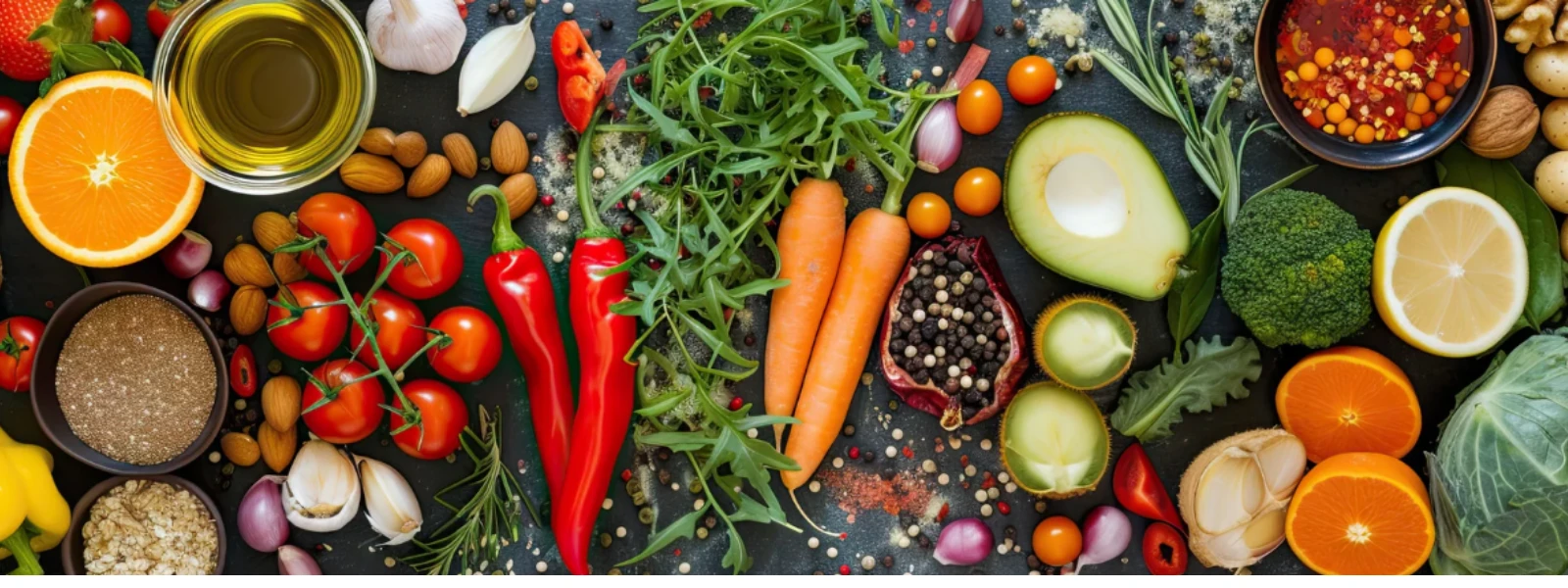


Your body works hard to extract nutrients from food, but are you getting the most from every meal? The answer might lie in your gut microbiome and the powerful role of prebiotics. Research shows that optimizing your digestive health can dramatically improve how well your body absorbs essential vitamins, minerals, and other nutrients. This comprehensive guide reveals seven evidence-based steps to enhance nutrient absorption, with a special focus on how prebiotics can transform your digestive wellness.
Prebiotics are specialized plant fibers that feed the beneficial bacteria in your gut microbiome. Unlike probiotics, which are live bacteria, prebiotics serve as food for the good bacteria already living in your digestive system. Common types include inulin, oligofructose, and resistant starch.
When prebiotics reach your colon, they undergo fermentation by beneficial bacteria. This process produces short-chain fatty acids (SCFAs) like butyrate, acetate, and propionate. These compounds play crucial roles in maintaining gut health and enhancing nutrient absorption throughout your digestive tract.
Research published in scientific journals demonstrates that prebiotics significantly improve nutrient uptake. The fermentation process creates an acidic environment in the colon, which enhances the absorption of minerals like calcium, magnesium, and iron. Studies show that regular prebiotic consumption can increase mineral absorption by up to 20%.
The gut bacteria nourished by prebiotics also produce essential vitamins, including Vitamin K, biotin, and some B vitamins. This internal vitamin production supplements your dietary intake, creating a more robust nutritional foundation for optimal health.
Before implementing changes, evaluate your current digestive health. Signs of poor nutrient absorption include fatigue, brittle nails, hair loss, frequent infections, and slow wound healing. Digestive symptoms like bloating, gas, irregular bowel movements, or food sensitivities may indicate compromised gut health.
Consider keeping a food and symptom diary for two weeks. Note what you eat, when you eat, and any digestive discomfort. This baseline assessment helps you track improvements as you implement the following steps.
Your gut environment must be ready to support beneficial bacteria. Reduce inflammatory foods like processed sugars, trans fats, and excessive alcohol. These substances can damage the intestinal lining and create an environment where harmful bacteria thrive.
Focus on whole foods rich in antioxidants and anti-inflammatory compounds. Colorful vegetables, fruits, and herbs provide the nutrients your gut lining needs to heal and function optimally.
Include diverse prebiotic sources in your daily meals. Chicory root contains the highest concentration of inulin, while Jerusalem artichokes offer a milder option. Garlic and onions provide oligosaccharides that feed specific beneficial bacteria strains.
Green bananas and cooked, then cooled potatoes contain resistant starch, another powerful prebiotic. Asparagus, leeks, and dandelion greens round out an excellent prebiotic food list. Aim to include at least three different prebiotic sources daily.
Start with small amounts to allow your digestive system to adapt. Begin with 5-10 grams of prebiotic fiber daily, gradually increasing to 15-20 grams over several weeks. This gradual approach prevents digestive discomfort while building a robust microbiome.
Distribute prebiotic foods throughout the day rather than consuming large amounts at once. This steady supply keeps beneficial bacteria well-fed and active in supporting nutrient absorption.
Did You Know?
Your gut microbiome can produce up to 10% of your daily Vitamin K needs when properly nourished with prebiotics. This internal vitamin production showcases how prebiotics increase nutrient absorption beyond just improving uptake from food sources.
Digestive enzymes break down food into absorbable nutrients. Prebiotics support enzyme production by maintaining a healthy gut environment. Include enzyme-rich foods like pineapple, papaya, and fermented vegetables in your diet.
Chew your food thoroughly to activate salivary enzymes and signal your stomach to prepare digestive juices. This simple practice significantly improves the first stage of digestion and sets the foundation for better nutrient absorption.
Your pancreas produces crucial enzymes for protein, fat, and carbohydrate digestion. Support pancreatic health with foods rich in zinc, selenium, and B vitamins. The prebiotics and digestion connection extends to supporting these enzyme-producing organs.
Bitter foods like arugula, endive, and dandelion stimulate bile production, essential for fat-soluble vitamin absorption. Include these foods before meals to optimize your digestive capacity.
Allow 3-4 hours between meals to give your digestive system time to process nutrients fully. This spacing prevents digestive overload and ensures optimal enzyme activity for each meal.
Eat your largest meal when your digestive fire is strongest, typically mid-day. This timing aligns with your body's natural circadian rhythms and maximizes nutrient absorption potential.
Pair iron-rich foods with Vitamin C sources to enhance iron absorption. Combine healthy fats with fat-soluble vitamins (A, D, E, K) for optimal uptake. These strategic combinations work synergistically with prebiotics for gut health to maximize nutritional benefits.
Avoid drinking large amounts of liquid with meals, as this can dilute digestive enzymes. Instead, hydrate between meals and sip small amounts during eating.
A healthy intestinal barrier is crucial for proper nutrient absorption. Prebiotics strengthen this barrier by promoting the growth of beneficial bacteria that produce protective compounds. These bacteria create a mucus layer that protects the intestinal wall while allowing nutrients to pass through.
Include foods rich in glutamine, zinc, and omega-3 fatty acids to support gut lining repair. Bone broth, fish, and leafy greens provide these essential nutrients for intestinal health.
Chronic inflammation damages the intestinal lining and impairs nutrient absorption. Prebiotics help reduce inflammation by promoting beneficial bacteria that produce anti-inflammatory compounds.
Manage stress through meditation, deep breathing, or gentle exercise. Chronic stress increases cortisol levels, which can damage the gut lining and reduce nutrient absorption efficiency.
Monitor improvements in energy levels, skin health, and digestive comfort. These indicators often reflect better nutrient absorption before laboratory tests show changes.
Keep a weekly log of your prebiotic intake and any digestive symptoms. This tracking helps you identify which foods work best for your unique microbiome and digestion improvement goals.
Everyone's microbiome is unique, so responses to prebiotics vary. Some people thrive on high-inulin foods, while others do better with resistant starch sources. Pay attention to your body's signals and adjust accordingly.
If you experience persistent digestive issues despite following these steps, consider working with a healthcare provider to rule out underlying conditions that might affect nutrient absorption.
Regular physical activity stimulates gut motility and supports healthy digestion. Even gentle walking after meals can improve nutrient absorption by promoting proper food movement through your digestive tract.
Include both cardiovascular exercise and strength training in your routine. This combination supports overall health while creating the optimal internal environment for prebiotics and nutrient absorption to work together.
Quality sleep is essential for gut health and nutrient absorption. During sleep, your body repairs the intestinal lining and produces important digestive hormones. Aim for 7-9 hours of consistent, quality sleep each night.
Practice stress-reduction techniques like meditation or yoga. These activities support the gut-brain connection and create an optimal environment for digestion improvement and nutrient uptake.
Prebiotics don't provide immediate results. It typically takes 2-4 weeks of consistent intake to see noticeable improvements in digestion and nutrient absorption as your gut microbiome adapts and beneficial bacteria populations increase.
Most people notice initial digestive improvements within 1-2 weeks, with more significant benefits appearing after 4-6 weeks of regular prebiotic consumption. Full optimization of nutrient absorption may take 2-3 months as your gut microbiome fully rebalances.
Prebiotics can improve absorption of many nutrients, particularly minerals like calcium, magnesium, and iron. They also support the production of certain B vitamins and Vitamin K by beneficial gut bacteria, which can help address some deficiencies over time.
Some people may experience temporary digestive discomfort, including gas or bloating, when first increasing prebiotic intake. Starting with small amounts and gradually increasing helps minimize these effects as your gut bacteria adapt to the increased fiber.
A gut cleanse typically involves eliminating certain foods or using specific protocols to reset digestive health, while prebiotic supplementation focuses on feeding beneficial bacteria long-term. Prebiotics provide sustainable support for ongoing digestive health rather than a short-term reset.
Optimizing nutrient absorption requires a comprehensive approach that addresses your entire digestive ecosystem. These seven essential steps work together to create an environment where prebiotics can effectively support your gut microbiome and enhance nutrient uptake. By incorporating prebiotic-rich foods, supporting digestive enzyme production, timing meals strategically, and maintaining healthy lifestyle habits, you can significantly improve how well your body absorbs and utilizes nutrients from food. Remember that building a healthy gut microbiome is a gradual process that requires consistency and patience. Start with small changes, monitor your progress, and adjust your approach based on your body's unique responses. With time and dedication, you'll create a robust foundation for optimal digestive health and enhanced nutrient absorption that supports your overall wellness goals.




Someone sent you
Powered by ReferRush


