7 Must-Know Prebiotic Powder Selection Tips
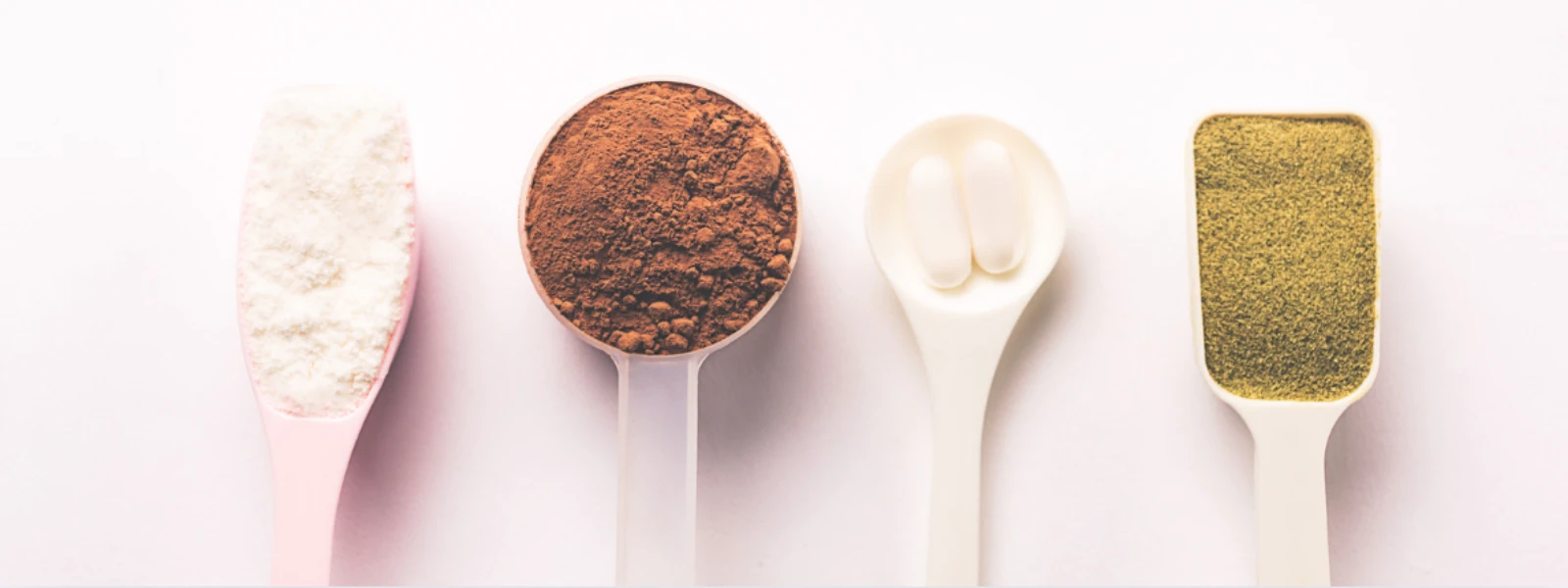


Your gut health journey starts with making informed choices about prebiotic supplements. With countless options flooding the market, selecting the right prebiotic powder can feel overwhelming. This comprehensive guide will help you navigate the complex world of gut health supplements and answer the crucial question: are prebiotic powders better than inulin?
Understanding the differences between various prebiotic options is essential for optimizing your digestive wellness. You'll discover seven expert-backed tips for choosing the best prebiotic supplements, learn about inulin alternatives, and gain insights into maximizing your gut cleanse supplements results.
Prebiotic powders are concentrated forms of non-digestible fibers that feed beneficial bacteria in your gut. Unlike probiotics, which introduce new bacteria, prebiotics nourish the existing microorganisms already living in your digestive system. These specialized fibers resist digestion in your small intestine and reach your colon intact, where they become food for beneficial bacteria.
Most prebiotic powders contain a blend of different fiber types, including fructooligosaccharides (FOS), galactooligosaccharides (GOS), and resistant starches. This diversity allows them to feed various bacterial strains, promoting a more balanced gut microbiome compared to single-ingredient supplements.
Inulin is a specific type of prebiotic fiber naturally found in plants like chicory root, Jerusalem artichokes, and onions. While inulin offers proven benefits of prebiotics, including improved calcium absorption and enhanced immune function, it comes with notable limitations.
Many people experience inulin side effects such as bloating, gas, and digestive discomfort, especially when starting supplementation. These symptoms occur because inulin ferments rapidly in the gut, producing gas as a byproduct. Additionally, inulin primarily feeds specific bacterial strains, potentially limiting its overall impact on microbiome diversity.
Research suggests that multi-fiber prebiotic powders may offer advantages over single-ingredient inulin supplements. A diverse blend of prebiotic fiber sources can support a broader range of beneficial bacteria, leading to more comprehensive gut health improvements.
Studies show that combining different prebiotic types creates synergistic effects, where the combined impact exceeds the sum of individual components. This approach may result in better tolerance, reduced side effects, and more sustainable long-term benefits compared to inulin alone.
Recent clinical trials demonstrate that prebiotic powders benefits extend beyond basic digestive health. Research published in peer-reviewed journals shows that regular prebiotic supplementation can increase beneficial bacteria populations by up to 200% within just four weeks.
These improvements translate into measurable health outcomes, including enhanced immune function, better nutrient absorption, and reduced inflammation markers. Studies also indicate that prebiotic supplementation may support mental health through the gut-brain axis, potentially improving mood and cognitive function.
Natural prebiotics for gut health derived from whole food sources often provide additional nutrients and compounds that synthetic alternatives lack. Plant-based prebiotic fiber sources retain beneficial phytonutrients and antioxidants that work synergistically with the prebiotic fibers.
However, synthetic prebiotics aren't necessarily inferior. They offer precise dosing and consistent potency, which can be advantageous for therapeutic applications. The key is choosing products that prioritize quality and purity, regardless of their natural or synthetic origin.
The best prebiotic supplements contain multiple types of prebiotic fibers rather than relying on a single ingredient. Look for products that combine different fiber sources such as FOS, GOS, resistant starch, and pectin. This diversity ensures you're feeding various beneficial bacterial strains.
When reading labels, avoid products that hide their ingredients behind proprietary blends without disclosing specific amounts. Transparency in ingredient listing indicates a manufacturer's confidence in their formulation and allows you to make informed decisions.
If you're new to prebiotic supplementation or have a sensitive digestive system, start with lower doses and gentler fiber types. Some people find that certain prebiotic fibers cause more digestive upset than others. Resistant starch, for example, tends to be better tolerated than inulin by sensitive individuals.
Consider your current diet and existing fiber intake when selecting a prebiotic powder. If you already consume a high-fiber diet, you may tolerate higher doses more easily than someone transitioning from a low-fiber eating pattern.
Quality assurance is crucial when selecting gut health supplements. Look for products that undergo third-party testing for purity, potency, and contaminants. Reputable manufacturers will display certificates of analysis or quality seals from independent testing organizations.
Pay attention to manufacturing standards such as Good Manufacturing Practices (GMP) certification. These standards ensure consistent quality and safety throughout the production process, giving you confidence in the product's reliability.
Different prebiotic fibers offer specific benefits of prebiotics that align with various health objectives. If your primary goal is digestive regularity, resistant starch might be most beneficial. For immune support, beta-glucans could be more appropriate.
Consider your overall health profile and any existing conditions when making your selection. Some prebiotic fibers may interact with medications or exacerbate certain digestive conditions, so consulting with a healthcare provider is advisable for complex health situations.
Expert Insight
Research indicates that combining multiple prebiotic fiber types can increase beneficial bacteria diversity by up to 40% more effectively than single-ingredient supplements, leading to more comprehensive gut health improvements.
One of the most common mistakes is starting with too high a dose too quickly. Begin with small amounts (2-5 grams daily) and gradually increase over several weeks. This approach allows your gut bacteria to adapt and minimizes potential digestive discomfort.
Timing also matters for optimal results. Taking prebiotic powders with meals can help slow their fermentation and reduce gas production. Some people find that splitting their daily dose between meals further improves tolerance.
Avoid products that make exaggerated claims about rapid results or miraculous health transformations. Legitimate prebiotic supplements focus on scientifically-backed benefits rather than sensational marketing language.
Be wary of products that claim to be "gut cleanse supplements" with immediate detoxification effects. True prebiotic benefits develop gradually over weeks and months as your gut microbiome rebalances and strengthens.
Resistant starch represents one of the most promising inulin alternatives for people seeking gentler prebiotic options. This type of fiber resists digestion in the small intestine and ferments slowly in the colon, producing beneficial short-chain fatty acids with minimal gas production.
Green banana flour, potato starch, and hi-maize corn starch are excellent sources of resistant starch. These options often cause fewer digestive side effects compared to inulin while still providing substantial prebiotic benefits.
Oligosaccharides like FOS and GOS offer targeted feeding for specific beneficial bacteria strains. FOS particularly supports Bifidobacterium growth, while GOS promotes both Bifidobacterium and Lactobacillus populations.
These compounds typically cause less digestive upset than inulin because they ferment more gradually. They're also naturally present in many foods, making them familiar to your digestive system.
New research continues to identify novel prebiotic compounds with unique benefits. Xylooligosaccharides (XOS) show promise for supporting immune function, while arabinoxylans from wheat bran demonstrate anti-inflammatory properties.
Beta-glucans from oats and mushrooms offer both prebiotic effects and direct immune system support. These emerging compounds represent the future of targeted gut health supplementation.
Success with prebiotic supplementation requires a systematic approach. Start with a baseline assessment of your current digestive health, including any symptoms or concerns. This information helps you track improvements and adjust your protocol as needed.
Combine your prebiotic powder with probiotic-rich foods or supplements for synergistic effects. This combination, known as synbiotics, can enhance the establishment and growth of beneficial bacteria more effectively than either approach alone.
Your lifestyle choices significantly impact how well prebiotic supplements work. Regular exercise promotes gut motility and bacterial diversity, enhancing the effectiveness of your supplementation efforts.
Stress management is equally important, as chronic stress can negatively impact gut bacteria populations. Incorporating stress-reduction techniques like meditation, adequate sleep, and regular physical activity creates an environment where prebiotics can work optimally.
Yes, multi-fiber prebiotic powders are often better tolerated than pure inulin supplements. The diverse fiber blend ferments more gradually, reducing gas production and digestive discomfort. Starting with smaller doses and choosing products containing resistant starch or gentler fibers can further improve tolerance.
Most people notice initial digestive improvements within 1-2 weeks of consistent use. However, significant microbiome changes and comprehensive health benefits typically develop over 4-12 weeks. Individual responses vary based on starting gut health, diet, and lifestyle factors.
Yes, prebiotic powders generally work well with other gut health supplements, including probiotics and digestive enzymes. In fact, combining prebiotics with probiotics can enhance the effectiveness of both. However, start with one supplement at a time to assess individual tolerance and effects.
Common inulin side effects include bloating, gas, abdominal cramping, and changes in bowel movements. These symptoms typically occur when starting supplementation or taking doses that exceed individual tolerance levels. Reducing the dose or switching to alternative prebiotic fibers often resolves these issues.
The most effective natural prebiotics include resistant starch from green bananas and potatoes, FOS from chicory root, GOS from legumes, and pectin from fruits. A combination of these sources typically provides more comprehensive benefits than any single prebiotic fiber alone.
Selecting the right prebiotic powder requires careful consideration of your individual needs, tolerance levels, and health goals. While inulin remains a popular choice, diverse prebiotic blends often provide superior benefits with better tolerance. The seven tips outlined in this guide will help you make an informed decision that supports your long-term digestive wellness. Remember that consistency and patience are key to experiencing the full benefits of prebiotics, as meaningful gut health improvements develop gradually over time. Consider exploring quality prebiotic supplements that align with these evidence-based selection criteria to support your journey toward optimal gut health.




Someone sent you
Powered by ReferRush


