7 Spirulina Superfood Benefits for Total Wellness
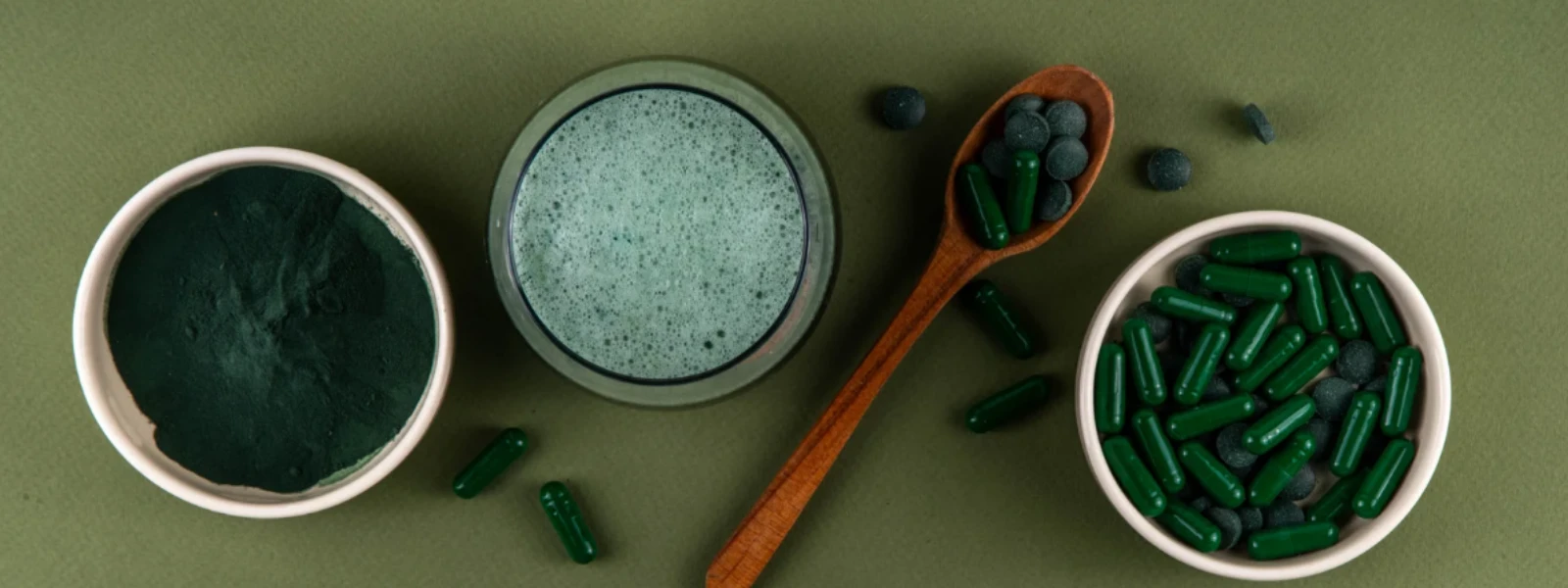


The blue-green algae that NASA chose to feed astronauts in space has quietly become one of the most researched superfoods on Earth. Spirulina superfood contains more protein per gram than beef, more iron than spinach, and more beta-carotene than carrots. This microscopic powerhouse has been sustaining communities for centuries, yet modern science is only beginning to unlock its full potential for human health.
This comprehensive guide explores seven scientifically-backed benefits of spirulina that can transform your wellness journey. You'll discover how this algae superfood supports everything from gut health to natural detoxification, plus practical tips for incorporating it into your daily routine.
Spirulina superfood is a type of blue-green algae scientifically known as Arthrospira. Unlike many trendy health foods, spirulina has earned its superfood status through decades of rigorous scientific research and real-world applications.
NASA selected spirulina as a dietary supplement for astronauts because of its exceptional nutritional density. Just one tablespoon provides 60% protein by weight - making it a complete protein source containing all nine essential amino acids. This protein quality rivals that of eggs and surpasses most plant-based sources.
What sets this algae superfood apart is its unique combination of nutrients rarely found together in nature. Spirulina contains vitamin B12 (typically found only in animal products), iron in highly bioavailable form, and powerful antioxidants like phycocyanin that give it its distinctive blue-green color.
Traditional cultures have harvested spirulina for over 500 years. The Aztecs collected it from Lake Texcoco, while communities around Lake Chad in Africa continue this practice today. Modern cultivation methods now make this ancient superfood accessible worldwide.
Spirulina nutrition reads like a multivitamin label, but with superior bioavailability. Understanding its nutritional composition helps explain why researchers consider it one of nature's most complete foods.
Spirulina contains approximately 60% protein, 20% carbohydrates, and 7% fat. The protein quality scores higher than most plant sources because it provides all essential amino acids in optimal ratios. The carbohydrates include beneficial polysaccharides that support immune function, while the fats contain gamma-linolenic acid (GLA), an omega-6 fatty acid with anti-inflammatory properties.
One tablespoon of spirulina provides significant amounts of B vitamins, particularly B1, B2, B3, and B12. It contains more beta-carotene than carrots and substantial amounts of vitamin K. The mineral profile includes highly absorbable iron, calcium, potassium, and magnesium.
The iron in spirulina deserves special attention. Unlike iron from plant sources that often causes digestive upset, spirulina iron is bound to proteins that enhance absorption while minimizing side effects. This makes it particularly valuable for individuals with iron deficiency.
Phycocyanin, the blue pigment in spirulina, acts as a powerful antioxidant and anti-inflammatory compound. Research shows it may protect against oxidative stress more effectively than many synthetic antioxidants. Chlorophyll content supports natural detoxification processes, while various carotenoids provide additional antioxidant protection.
Clinical studies demonstrate that spirulina benefits include significant immune system enhancement. Research published in cellular immunology journals shows spirulina increases production of antibodies and immune cells while reducing inflammatory markers.
The polysaccharides in spirulina activate macrophages - immune cells that engulf harmful pathogens. Additionally, phycocyanin helps regulate histamine release, potentially reducing allergic reactions and supporting overall immune balance.
Emerging research reveals spirulina's prebiotic properties that promote beneficial gut bacteria growth. Studies show regular spirulina consumption increases populations of Lactobacillus and Bifidobacterium - key bacteria for digestive health.
The high protein content and digestive enzymes in spirulina support nutrient absorption. Unlike some protein supplements that can stress the digestive system, spirulina's gentle nature makes it suitable for sensitive stomachs while promoting gut health.
Spirulina's natural detox capabilities stem from its ability to bind heavy metals and support liver function. Research demonstrates spirulina can help remove arsenic, lead, and mercury from the body through natural chelation processes.
The chlorophyll content supports cellular detoxification by enhancing oxygen transport and promoting the elimination of metabolic waste. This makes spirulina an excellent addition to any detox cleanse protocol.
Did You Know?
Studies show spirulina can reduce arsenic toxicity by up to 47% when taken regularly. This heavy metal detoxification occurs naturally through spirulina's unique protein structures that bind and eliminate toxins.
The high iron content and complete protein profile make spirulina excellent for energy support. Iron facilitates oxygen transport throughout the body, while the protein provides sustained energy without blood sugar spikes.
Athletes report improved endurance and faster recovery when supplementing with spirulina. The anti-inflammatory properties help reduce exercise-induced oxidative stress, while the protein supports muscle repair and growth.
Multiple clinical trials demonstrate spirulina's cardiovascular benefits. Regular consumption can help reduce LDL (bad) cholesterol while maintaining or increasing HDL (good) cholesterol levels.
The antioxidants in spirulina protect against lipid oxidation - a key factor in heart disease development. Some studies also show modest blood pressure reductions in individuals with hypertension.
Spirulina's neuroprotective compounds support brain health through multiple mechanisms. The antioxidants protect brain cells from oxidative damage, while B vitamins support neurotransmitter production.
Research suggests regular spirulina consumption may improve memory, focus, and overall cognitive function. The anti-inflammatory properties also support long-term brain health by reducing neuroinflammation.
The exceptional antioxidant capacity of spirulina helps combat cellular aging. Phycocyanin and other antioxidants neutralize free radicals that contribute to premature aging and chronic disease.
Studies show spirulina supplementation can improve skin health, reduce inflammation markers, and support overall vitality. The combination of antioxidants, vitamins, and minerals provides comprehensive anti-aging support.
Both spirulina powder and spirulina tablets offer the same nutritional benefits, but each form has distinct advantages depending on your lifestyle and preferences.
Spirulina powder offers faster absorption since it doesn't need to dissolve like tablets. The powder form allows for easy mixing into smoothies, juices, or food recipes. It's typically more cost-effective per serving and allows for flexible dosing.
The main drawback is spirulina's strong, earthy taste that some find challenging. However, this can be easily masked in flavorful recipes or gradually adapted to over time.
Spirulina tablets provide convenience and precise dosing without taste concerns. They're perfect for travel and busy lifestyles where mixing powder isn't practical. The tablet form also has a longer shelf life and easier storage.
Quality tablets should contain minimal binding agents and dissolve easily in the stomach. Look for tablets that specify the spirulina content and avoid products with unnecessary fillers or artificial ingredients.
Begin with 1-2 grams daily (about half a teaspoon of powder) and gradually increase to 3-5 grams as your body adapts. Most studies showing health benefits use doses between 3-10 grams daily, but individual needs vary.
Take spirulina with meals to enhance absorption and minimize potential digestive upset. Morning consumption provides sustained energy throughout the day, while post-workout timing supports recovery.
These spirulina recipes make incorporating this superfood enjoyable and delicious:
Green Goddess Smoothie: Blend 1 teaspoon spirulina powder with banana, mango, coconut water, and a handful of spinach. The tropical fruits mask spirulina's taste while providing additional nutrients.
Energy Power Balls: Mix spirulina powder with dates, almonds, and coconut flakes. Roll into balls for a nutrient-dense snack that provides sustained energy.
Detox Green Shot: Combine spirulina with lemon juice, ginger, and a touch of honey for a concentrated wellness boost.
Superfood Salad Dressing: Whisk spirulina powder into olive oil, lemon juice, and herbs for a nutrient-rich salad topping.
Post-Workout Recovery Shake: Blend spirulina with protein powder, berries, and almond milk for optimal muscle recovery support.
While spirulina is generally safe for most people, understanding potential side effects and contraindications ensures optimal results.
Some individuals may experience mild digestive upset, fatigue, or headaches when first starting spirulina. These effects typically resolve as the body adapts. Starting with smaller doses and taking spirulina with food minimizes these reactions.
Rarely, some people may experience skin reactions or allergic responses. Discontinue use and consult a healthcare provider if severe reactions occur.
Individuals with autoimmune conditions should consult healthcare providers before using spirulina, as it may stimulate immune system activity. People taking immunosuppressive medications should also exercise caution.
Those with phenylketonuria (PKU) should avoid spirulina due to its amino acid content. Pregnant and breastfeeding women should consult healthcare providers before supplementation.
Choose spirulina from reputable sources that test for heavy metals, microcystin toxins, and other contaminants. Look for organic certification and third-party testing verification to ensure product purity and safety.
Yes, spirulina earns its superfood status through exceptional nutritional density and scientifically proven health benefits. Its complete protein profile, high antioxidant content, and unique bioactive compounds distinguish it from typical foods and supplements.
Spirulina provides immune system support, promotes gut health, aids natural detoxification, enhances energy levels, supports heart health, improves cognitive function, and offers powerful antioxidant protection for healthy aging.
Daily spirulina consumption is generally safe for most healthy adults when taken in recommended doses of 3-5 grams. Start with smaller amounts and choose high-quality, tested products to minimize any potential risks.
Most people tolerate spirulina well, but some may experience mild digestive upset, fatigue, or headaches initially. These effects typically resolve with continued use. Allergic reactions are rare but possible.
Begin with 1-2 grams daily and gradually increase to 3-5 grams as tolerated. Some studies use higher doses up to 10 grams, but most people achieve benefits with 3-5 grams taken consistently with meals.
Spirulina superfood offers a unique combination of complete protein, essential nutrients, and powerful bioactive compounds that support total wellness. From immune system enhancement and gut health promotion to natural detoxification and cognitive support, this ancient algae provides modern solutions for contemporary health challenges. Whether you choose spirulina powder for versatility or spirulina tablets for convenience, incorporating this nutrient-dense superfood into your daily routine can significantly impact your health journey. As with any supplement, start gradually, choose quality products, and listen to your body's response to maximize the remarkable benefits this blue-green algae has to offer.


Someone sent you
Powered by ReferRush


