Essential Checklist: Prevent Protein Powder Bloat
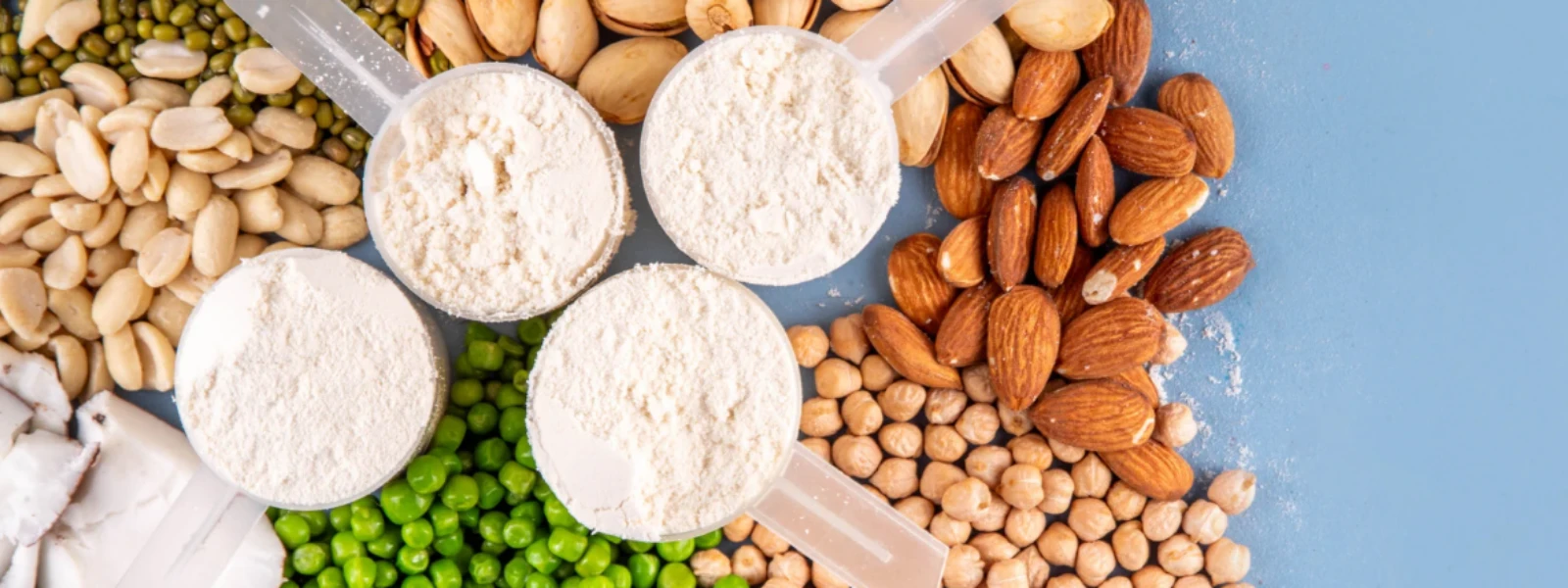


Protein powder has become a staple in many fitness routines, but the uncomfortable bloating that often follows can turn your post-workout recovery into digestive distress. Understanding the plant protein powder benefits and risks for bloating is crucial for anyone looking to optimize their nutrition without compromising gut comfort.
This comprehensive checklist will guide you through preventing protein powder bloat while maximizing the nutritional benefits of plant-based proteins. You'll learn to identify digestive triggers, choose gut-friendly options, and implement strategies that support both your fitness goals and digestive health.
Plant proteins contain unique compounds that can challenge your digestive system in ways animal proteins typically don't. The primary culprits behind plant protein bloating include oligosaccharides, fiber content, and processing methods that affect how your body breaks down these nutrients.
Oligosaccharides are complex carbohydrates found naturally in legumes, peas, and other plant protein sources. Your small intestine lacks the enzymes needed to fully digest these compounds, so they travel to your large intestine where gut bacteria ferment them. This fermentation process produces gas, leading to the uncomfortable bloating sensation many experience.
The fiber content in plant proteins, while beneficial for overall health, can overwhelm digestive systems that aren't accustomed to higher fiber intake. Unlike animal proteins that contain minimal fiber, plant-based options often retain significant amounts of this indigestible carbohydrate.
Processing methods also play a crucial role in digestibility. Poorly processed plant proteins may contain anti-nutrients like lectins and phytic acid, which can interfere with digestion and contribute to bloating from protein consumption.
Your personal digestive capacity varies based on gut microbiome composition, enzyme production, and previous dietary habits. People transitioning from low-fiber diets often experience more pronounced digestive issues when introducing plant proteins.
Despite potential digestive challenges, plant based protein benefits make them valuable additions to many nutrition plans. Plant proteins provide complete amino acid profiles when properly formulated, support muscle synthesis, and offer additional nutrients like antioxidants and phytonutrients.
Environmental sustainability represents another significant advantage. Plant protein production requires fewer resources and generates lower carbon emissions compared to animal protein sources. For health-conscious consumers, plant proteins also eliminate concerns about hormones, antibiotics, and saturated fats commonly found in animal products.
Did You Know?
Your gut microbiome can adapt to process plant proteins more efficiently within 2-4 weeks of consistent consumption, significantly reducing digestive discomfort over time.
For most people, the long-term benefits of plant proteins outweigh temporary digestive adjustment periods. The key lies in proper introduction and selection of high-quality, easily digestible formulations.
Selecting the right protein powder for sensitive stomachs requires careful attention to ingredient lists and processing methods. Start by examining the protein source itself - pea protein isolate typically causes less bloating than whole pea protein due to reduced fiber content.
Look for products that include digestive enzymes like protease, amylase, and cellulase. These enzymes help break down proteins, carbohydrates, and fiber more efficiently, reducing the likelihood of fermentation and gas production in your intestines.
Avoid products with artificial sweeteners, particularly sugar alcohols like sorbitol and mannitol, which can cause digestive distress in sensitive individuals. Natural sweeteners like stevia or monk fruit are generally better tolerated.
Third-party testing certifications ensure product purity and accurate labeling. Look for NSF, Informed Sport, or similar certifications that verify the absence of contaminants and confirm ingredient accuracy.
Start with half the recommended serving size to allow your digestive system to adapt gradually. This approach minimizes the risk of overwhelming your gut with unfamiliar proteins and fiber.
Proper protein powder digestion begins with correct preparation and timing. Mix your protein powder thoroughly with adequate liquid - at least 8-12 ounces of water or plant milk per serving. Insufficient liquid can create thick, difficult-to-digest mixtures that sit heavily in your stomach.
Timing matters significantly for digestive comfort. Consuming protein powder on an empty stomach can increase the likelihood of digestive issues. Instead, have your protein shake 30-60 minutes after a light meal or snack containing some fat and carbohydrates.
Gradual introduction represents the most effective strategy for preventing digestive issues protein consumption can cause. Begin with small amounts every other day, slowly increasing frequency and serving size as your body adapts.
Proper hydration supports protein digestion and helps prevent constipation that can accompany increased protein intake. Aim for an additional 16-20 ounces of water throughout the day when using protein supplements.
Combining protein powder with foods rich in digestive enzymes, such as pineapple or papaya, can enhance breakdown and absorption while reducing gas production.
When experiencing protein powder gas or bloating, immediate relief strategies can provide comfort while you adjust your approach. Gentle movement like walking helps stimulate digestion and can reduce trapped gas sensations.
Dosage adjustment often resolves persistent digestive issues. Reduce your serving size by half and gradually increase over 2-3 weeks. Some people find that splitting their daily protein intake into smaller, more frequent servings improves tolerance.
Alternative preparation methods can also help. Blending protein powder with frozen fruits creates a smoothie that may be easier to digest than simple protein-water mixtures. The natural enzymes in fruits can aid protein breakdown.
Consider switching protein types if digestive issues persist beyond 3-4 weeks. Rice protein, hemp protein, or protein blends may be better tolerated than single-source options like pea or soy protein.
Seek medical advice if digestive symptoms worsen over time, include severe cramping, or are accompanied by other concerning symptoms like significant changes in bowel habits.
Maintaining optimal gut health protein supplementation requires attention to your overall digestive ecosystem. Incorporating probiotic-rich foods like yogurt, kefir, or fermented vegetables can help maintain beneficial bacteria populations that support protein digestion.
Prebiotic foods such as garlic, onions, and bananas feed beneficial gut bacteria, helping them adapt to process plant proteins more efficiently. This dietary support can significantly reduce long-term digestive discomfort.
A detox protein powder approach isn't necessary, but giving your digestive system periodic breaks from supplements allows it to reset and recover. Consider cycling protein powder use - five days on, two days off - to prevent digestive fatigue.
Digestive enzyme supplementation can provide additional support during the adaptation period. Look for broad-spectrum enzyme blends that include protease for protein digestion and alpha-galactosidase for oligosaccharide breakdown.
Most people experience reduced bloating within 2-4 weeks of consistent use as their digestive system adapts to plant proteins. Initial discomfort usually peaks in the first week and gradually decreases.
Rice protein and hemp protein are generally the most easily digested plant proteins, followed by high-quality pea protein isolates. These options contain fewer oligosaccharides and fiber compared to whole plant protein sources.
Yes, your gut microbiome adapts to process plant proteins more efficiently with regular exposure. Gradual introduction and consistent use help build this tolerance while minimizing digestive discomfort.
Bloating involves abdominal distension and feeling of fullness, while gas specifically refers to trapped air in the digestive tract. Both can occur together but may require different management strategies.
Digestive enzymes can be helpful during the initial adaptation period or for people with sensitive stomachs. Look for enzymes containing protease and alpha-galactosidase for optimal plant protein digestion support.
Preventing protein powder bloat requires a strategic approach that balances the significant nutritional benefits of plant proteins with digestive comfort. By choosing high-quality products, implementing proper preparation techniques, and allowing time for digestive adaptation, you can enjoy the advantages of plant protein supplementation without uncomfortable side effects. Remember that individual tolerance varies, and what works best for your digestive system may require some experimentation and patience. The key is starting slowly, staying consistent, and making adjustments based on your body's response to find the optimal approach for your unique needs.




Someone sent you
Powered by ReferRush


