Essential Checklist: Science-Backed Herbal Nutrition
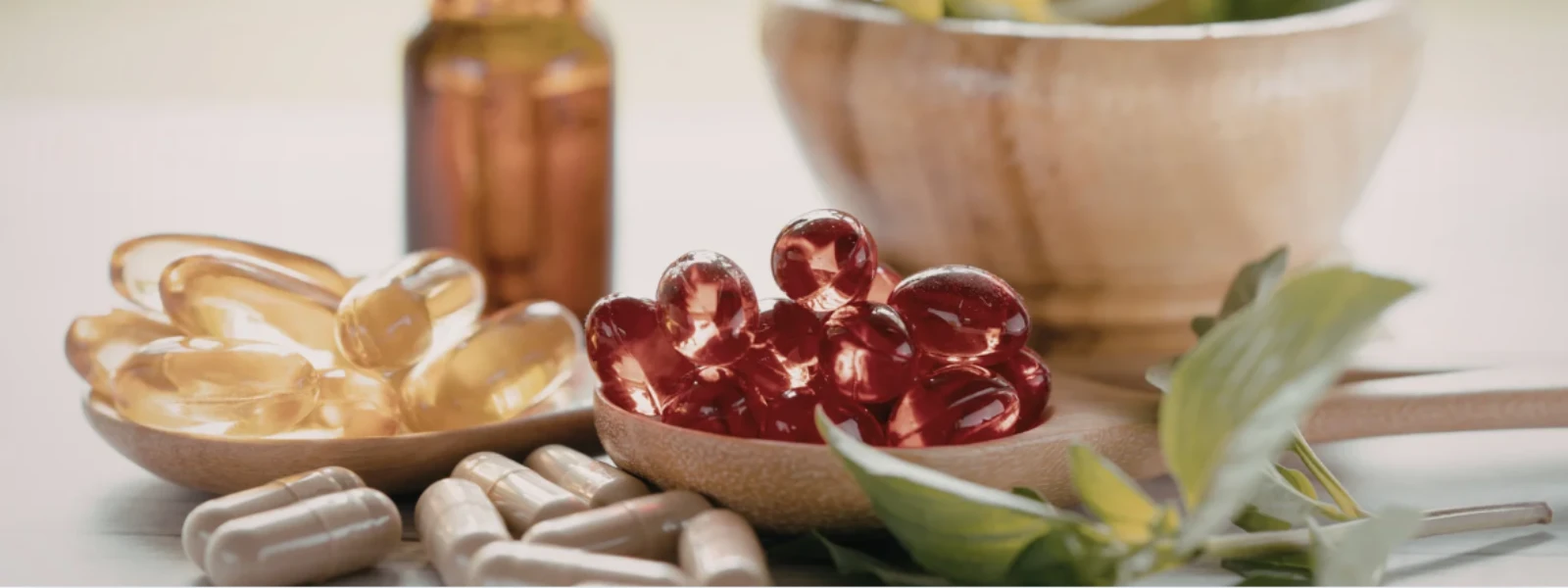


Modern wellness enthusiasts are increasingly turning to herbal nutrition, but not all herbs are created equal. The key lies in understanding which herbal remedies have solid scientific backing versus those based solely on traditional claims. This comprehensive checklist will guide you through evidence-based herbal nutrition, helping you make informed decisions about gut health herbs, detox protocols, and cleanse supplements that actually work.
By the end of this guide, you'll know exactly what to look for in science-backed herbal nutrition, how to evaluate quality, and which herbs have proven benefits for gut health and natural detoxification.
Science-backed herbal nutrition differs significantly from traditional herbal claims. While ancient wisdom provides valuable insights, modern research validates which compounds actually work and at what doses.
Clinical studies on herbal supplements focus on standardized extracts rather than whole herbs. This standardization ensures consistent potency and bioavailability. For example, turmeric supplements are often standardized to contain 95% curcuminoids, the active compounds responsible for anti-inflammatory effects.
Quality markers include third-party testing, standardized extract percentages, and certificates of analysis. These documents verify that supplements contain what they claim without harmful contaminants like heavy metals or pesticides.
Bioavailability is crucial in herbal nutrition. Many herbs require specific extraction methods or combination with other compounds to be properly absorbed. Curcumin, for instance, is poorly absorbed alone but becomes highly bioavailable when combined with piperine from black pepper.
Research has identified several herbs with proven benefits for digestive health. These gut health herbs have undergone clinical trials and demonstrate measurable effects on gut function.
Clinical studies show curcumin reduces inflammatory markers in the gut and supports intestinal barrier function. Research indicates that 500-1000mg of standardized curcumin daily can help maintain healthy gut inflammation levels.
Multiple studies confirm ginger's ability to improve digestive motility and reduce nausea. The active compounds gingerols and shogaols stimulate gastric emptying and support healthy digestion patterns.
Enteric-coated peppermint oil has shown significant benefits for digestive comfort in clinical trials. The menthol content helps relax intestinal smooth muscle and provides antimicrobial effects against harmful bacteria.
This herb contains mucilage that forms a protective coating along the intestinal lining. Research demonstrates its prebiotic properties, feeding beneficial gut bacteria while soothing digestive tissues.
Did You Know?
Clinical research shows that combining multiple gut health herbs can create synergistic effects, where the combined benefit exceeds the sum of individual herbs. This is why many science-based herbal remedies use carefully formulated blends rather than single ingredients.
A natural gut cleanse using science-based herbal remedies focuses on supporting the body's natural detoxification processes rather than forcing dramatic changes.
Milk thistle contains silymarin, clinically proven to support liver function and phase II detoxification. Studies show 200-400mg daily can help maintain healthy liver enzyme levels.
Dandelion root stimulates bile production, essential for fat digestion and toxin elimination. Research indicates its diuretic properties support kidney function without depleting electrolytes.
Chlorella and spirulina have demonstrated heavy metal chelation properties in clinical studies. These algae bind to toxins and support their elimination through natural pathways.
Burdock root supports lymphatic system function, helping remove cellular waste products. Traditional use is now backed by research showing its anti-inflammatory and antioxidant properties.
Evaluating herbal nutrition quality requires understanding specific markers that indicate effective, safe products.
Look for supplements tested by independent laboratories for purity, potency, and contaminants. Reputable brands provide batch-specific certificates of analysis upon request.
Quality herbal supplements specify standardization percentages for active compounds. For example, ginkgo should be standardized to 24% flavone glycosides and 6% terpene lactones.
Different extraction methods yield different compound profiles. CO2 extraction preserves heat-sensitive compounds, while water extraction captures water-soluble nutrients. Quality brands specify their extraction methods.
Organic herbs reduce exposure to pesticides and synthetic fertilizers. However, organic certification doesn't guarantee potency, making standardization equally important.
Effective gut detox nutrition combines cleanse supplements with supportive dietary choices to maximize herbal benefits.
Take fat-soluble herbal compounds like curcumin with meals containing healthy fats. Water-soluble herbs work best on an empty stomach for optimal absorption.
Certain foods enhance herbal absorption. Black pepper increases curcumin bioavailability by 2000%. Vitamin C-rich foods improve iron absorption from herbal sources.
Adequate hydration is essential during any herbal detox cleanse. Aim for half your body weight in ounces of water daily, plus extra for any diuretic herbs.
Soluble fiber from sources like psyllium husk supports the elimination of toxins bound by detox herbs. This prevents reabsorption and supports healthy bowel movements.
While herbal supplements are generally safe, proper dosing and timing are crucial for effective and safe cleanse supplements.
Follow dosages used in clinical studies rather than manufacturer recommendations. Research-backed doses are typically lower than marketing claims suggest.
Most herbal cleanses are designed for 2-4 week cycles with breaks between. Continuous use of certain detox herbs can stress elimination organs.
Some herbs interact with medications or medical conditions. Milk thistle can affect blood sugar levels, while ginkgo may increase bleeding risk with blood thinners.
Consult healthcare providers before starting any herbal detox cleanse, especially if taking medications or managing health conditions.
Most people notice initial digestive improvements within 1-2 weeks of consistent use. However, significant gut health changes typically require 4-8 weeks of regular supplementation with quality herbal products.
Yes, many gut health herbs work synergistically when combined properly. However, start with one herb at a time to assess individual tolerance, then gradually add others. Always check for potential interactions between herbs and any medications.
Herbal extracts concentrate active compounds and offer standardized potency, making effects more predictable. Whole herb powders provide the complete plant profile but may have variable potency. Extracts generally offer better bioavailability and consistent results.
Signs of effective herbal cleansing include improved digestion, increased energy levels, clearer skin, and better sleep quality. However, avoid dramatic detox symptoms, which may indicate the protocol is too aggressive for your body.
Quality herbal supplements used at research-backed doses typically have minimal side effects. However, some people may experience mild digestive changes initially as the gut microbiome adjusts. Discontinue use and consult a healthcare provider if you experience persistent adverse effects.
Science-backed herbal nutrition offers a evidence-based approach to supporting gut health and natural detoxification. By focusing on clinically researched herbs, proper quality evaluation, and safe dosing protocols, you can harness the power of herbal medicine with confidence. Remember that effective herbal nutrition is about consistency and quality rather than quick fixes. The herbs and protocols outlined in this checklist provide a solid foundation for incorporating evidence-based herbal supplements into your wellness routine. For personalized guidance on herbal nutrition and gut health support, consider exploring professional-grade supplements that meet the quality standards discussed in this guide.



