Essential Checklist: Top Glycine Rich Foods Guide
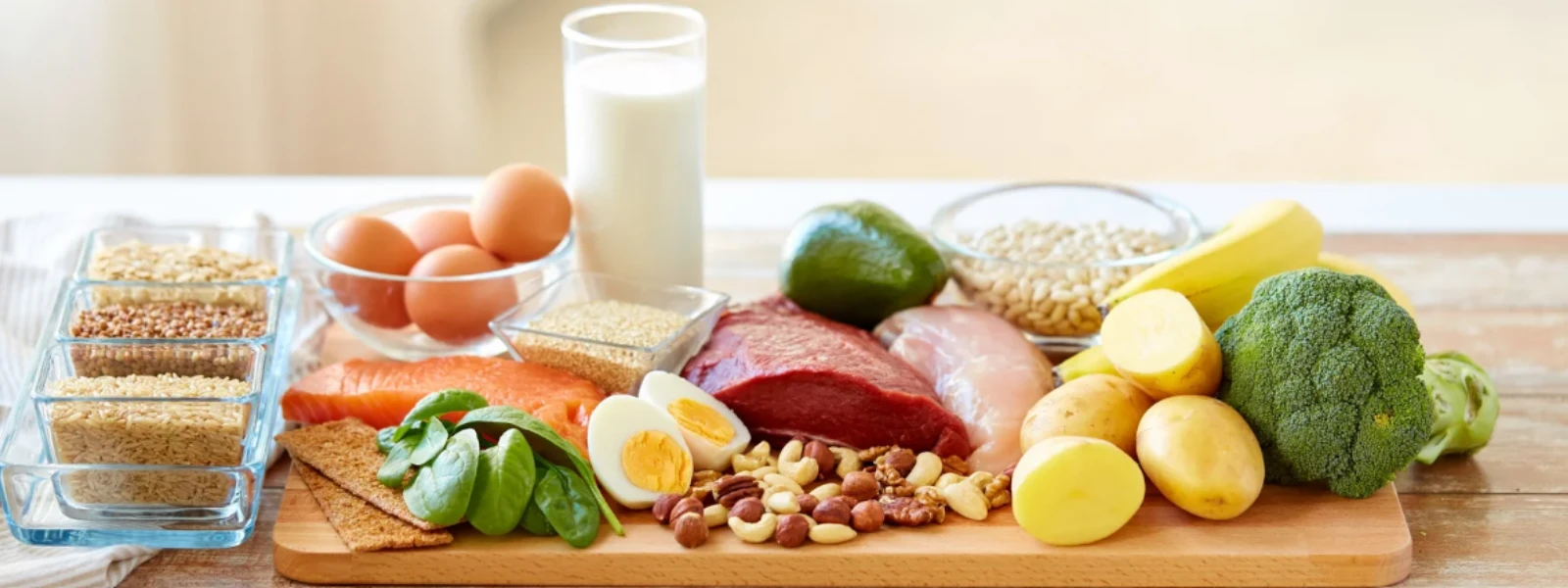


Your body produces thousands of proteins every day, but one amino acid stands out as a true multitasker: glycine. This simple yet powerful compound supports everything from collagen production to gut health and natural detoxification. While your body can make some glycine on its own, research suggests most people don't produce enough to meet their daily needs of 3-5 grams.
Understanding which foods contain the highest amounts of glycine can transform your approach to nutrition and wellness. This comprehensive guide will walk you through the top glycine rich foods, help you identify the best sources for your dietary preferences, and show you how to naturally boost your glycine levels through smart food choices.
Glycine is the smallest amino acid in terms of molecular structure, but its impact on your health is anything but small. This non-essential amino acid plays crucial roles in protein synthesis, serving as a building block for collagen, elastin, and other vital proteins that keep your skin, joints, and connective tissues healthy.
Your body uses glycine to support several key functions. It helps maintain the integrity of your gut lining, supports natural detoxification processes in the liver, and even contributes to better sleep quality. The amino acid glycine also acts as a neurotransmitter in your brain, promoting calm and relaxation.
Most adults need between 3-5 grams of glycine daily, but your body typically produces only about 2-3 grams on its own. This gap means you need to obtain additional glycine through food sources or supplementation. Signs that your body may need more glycine include poor sleep quality, slow wound healing, digestive issues, and joint stiffness.
The connection between collagen and glycine is particularly important. Glycine makes up about one-third of all amino acids in collagen, making it essential for maintaining healthy skin, hair, nails, and joints. As you age, your body's natural collagen production decreases, making adequate glycine intake even more critical.
Animal-based foods typically contain the highest concentrations of glycine, with some sources providing exceptional amounts per serving. Here are the top glycine rich foods from animal sources:
Gelatin powder tops the list with an impressive 19.1 grams of glycine per 100 grams. This concentrated source comes from animal collagen that has been broken down through cooking. Just one tablespoon of gelatin powder provides about 3 grams of glycine.
Pork skin and chicken skin contain approximately 11.9 grams per 100 grams. These often-discarded parts of meat are actually nutritional powerhouses. Cooking methods like slow roasting or making crackling preserve the glycine content while creating delicious, crispy textures.
Bone broth has become popular for good reason. A cup of well-made bone broth can contain 2-3 grams of glycine, depending on cooking time and bone types used. The longer you simmer bones, the more collagen breaks down into glycine and other beneficial amino acids.
Fish, particularly salmon and dried whitefish, provide substantial glycine amounts. A 100-gram serving of salmon contains about 1.4 grams of glycine, while dried fish can contain even higher concentrations due to water removal.
Red meat from tougher cuts like chuck roast, brisket, and shank contains more glycine than tender cuts. These cuts are rich in connective tissue, which breaks down into glycine during slow cooking methods.
Did You Know?
The glycine content in bone broth can vary dramatically based on preparation method. Simmering bones for 24-48 hours extracts significantly more glycine than shorter cooking times, with some homemade broths containing up to 2.9 grams per cup.
While plant foods generally contain lower glycine concentrations than animal products, several excellent options can help vegetarians and vegans meet their glycine needs.
Seeds offer some of the highest plant-based glycine content. Pumpkin seeds contain about 1,786 milligrams per 100 grams, while chia seeds provide 1,607 milligrams. Sunflower seeds follow closely with 1,464 milligrams per 100 grams. A quarter-cup serving of pumpkin seeds delivers roughly 450 milligrams of glycine.
Legumes are another excellent source, with soybeans leading at 1,600 milligrams per 100 grams. Lentils, chickpeas, and kidney beans also provide meaningful amounts. These foods offer the added benefit of being complete proteins when combined properly.
Nuts contribute to glycine intake as well. Cashews, peanuts, and pistachios all contain moderate amounts. While individual servings may seem small, regular consumption throughout the day can add up significantly.
Soy products like tofu, tempeh, and edamame provide both glycine and other essential amino acids. These fermented options may offer better bioavailability than whole soybeans.
For vegetarians and vegans, combining different plant sources throughout the day helps ensure adequate glycine intake. Pairing legumes with seeds or nuts creates more complete amino acid profiles.
Maximizing your glycine intake requires strategic meal planning and smart cooking methods. The key is incorporating multiple glycine sources throughout your day while using preparation techniques that preserve or enhance glycine content.
Meal planning strategies should focus on including at least one high-glycine food at each meal. Start your day with bone broth or add gelatin powder to smoothies. Include glycine-rich proteins like fish or poultry at lunch and dinner. Snack on pumpkin seeds or nuts between meals.
Cooking methods significantly impact glycine availability. Slow cooking, braising, and simmering break down collagen in meat and bones, releasing more glycine. Pressure cooking can achieve similar results in less time. Avoid high-heat methods like grilling or frying for your primary glycine sources.
Timing considerations can optimize glycine benefits. Some research suggests consuming glycine in the evening may support better sleep quality. However, spreading intake throughout the day ensures steady availability for various bodily functions.
For those following plant-based diets, combining different sources becomes crucial. Eating legumes with seeds or nuts at the same meal improves overall amino acid profiles and glycine utilization.
Glycine's role in supporting gut health foods and natural detox foods makes it particularly valuable for overall wellness. This amino acid contributes to several important processes that keep your digestive system functioning optimally.
Digestive system support begins with glycine's role in maintaining gut lining integrity. It helps repair and strengthen the intestinal barrier, which can become compromised by stress, poor diet, or medications. Glycine also supports the production of digestive enzymes and helps modulate inflammatory responses in the gut.
Detoxification pathways rely heavily on glycine for proper function. Your liver uses glycine to conjugate toxins, making them water-soluble for easier elimination. This process is particularly important for processing environmental toxins, medications, and metabolic waste products.
Glycine also supports cellular repair mechanisms throughout your body. It helps neutralize free radicals and supports the production of glutathione, one of your body's most important antioxidants.
When following a cleanse diet or detox protocol, ensuring adequate glycine intake becomes even more important. The increased demand for detoxification processes requires more glycine than usual, making food sources or supplementation crucial during these periods.
While food sources provide the foundation for glycine intake, certain situations may warrant considering glycine supplementation alongside your dietary efforts.
Food sources offer advantages that supplements cannot match. Whole foods provide glycine alongside other beneficial nutrients, creating synergistic effects. Bone broth, for example, delivers glycine with minerals, other amino acids, and compounds that support joint health. The gelatin benefits extend beyond just glycine content.
Supplementation may be helpful when dietary restrictions limit food choices, during periods of increased stress or illness, or when following intensive cleanse protocols. High-quality glycine supplements can provide precise dosing and convenience.
The bioavailability of glycine from food sources is generally excellent, especially from animal products. Plant sources may have slightly lower bioavailability, but combining different sources throughout the day compensates for this difference.
Cost-effectiveness typically favors food sources over supplements. Regular consumption of glycine-rich foods provides better long-term value while supporting overall nutritional needs.
Common signs include persistent fatigue, poor sleep quality, slow wound healing, digestive issues, joint stiffness, and frequent infections. However, these symptoms can have multiple causes, so it's important to consider overall diet and lifestyle factors.
Yes, but it requires careful planning and combining multiple sources throughout the day. Vegetarians and vegans should focus on legumes, seeds, nuts, and soy products while ensuring adequate overall protein intake to support glycine synthesis.
Most adults need 3-5 grams daily, though individual needs may vary based on age, activity level, stress, and health status. Athletes and people under high stress may require higher amounts.
Glycine is a single amino acid, while collagen contains multiple amino acids including glycine, proline, and hydroxyproline. Collagen supplements provide glycine along with other amino acids that work together to support skin, joint, and connective tissue health.
You can consume glycine-rich foods throughout the day, but some research suggests evening consumption may support better sleep quality. For general health benefits, spreading intake across meals ensures steady availability for various bodily functions.
Incorporating glycine rich foods into your daily routine doesn't require dramatic dietary changes. Simple strategies like choosing bone broth over regular stock, snacking on pumpkin seeds, or selecting tougher cuts of meat for slow cooking can significantly boost your glycine intake. Whether you follow an omnivorous, vegetarian, or vegan diet, multiple options exist to meet your glycine needs through whole food sources. Remember that consistency matters more than perfection – small, sustainable changes in your food choices can lead to meaningful improvements in your overall health and wellness. Consider exploring high-quality supplements when dietary sources alone may not meet your individual needs, always prioritizing products that undergo rigorous testing for purity and potency.




Someone sent you
Powered by ReferRush


