How to Balance Your Diet with Alkaline Foods
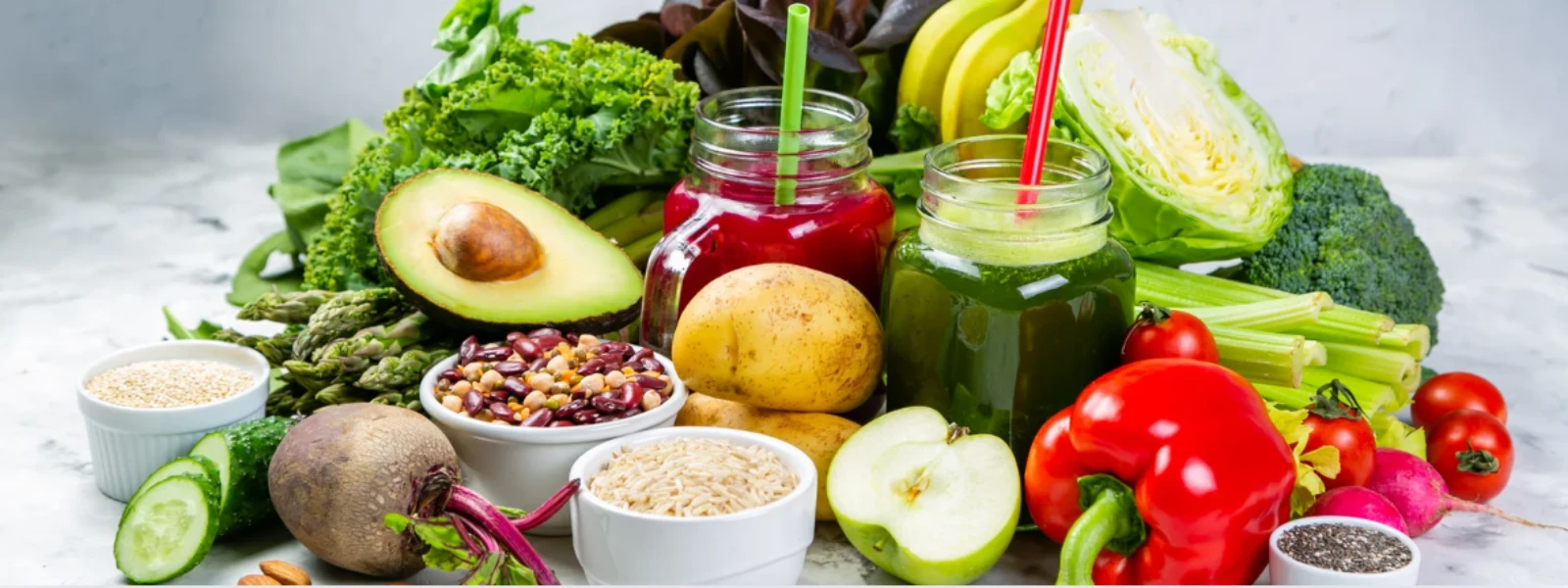


Your body works around the clock to maintain a delicate pH balance, and the foods you eat play a crucial role in supporting this natural process. Understanding the difference between acidic and basic foods can help you make informed dietary choices that promote better digestive health, reduce inflammation, and support overall wellness. This guide will walk you through the science of pH balance foods and show you how to create a sustainable eating plan that incorporates both alkaline foods and necessary acidic nutrients.
The pH scale ranges from 0 to 14, with 7 being neutral. Foods with a pH below 7 are considered acidic, while those above 7 are alkaline or basic. However, it's important to understand that a food's pH outside the body doesn't necessarily determine its effect once digested.
When you consume acidic and basic foods, your body processes them differently through complex metabolic pathways. Some foods that taste acidic, like lemons, actually have an alkalizing effect on your body after digestion. This happens because of the mineral content and how your body metabolizes the food's components.
Your body naturally maintains a blood pH between 7.35 and 7.45 through sophisticated buffering systems involving your lungs, kidneys, and bones. While food choices don't dramatically alter blood pH, they can influence other body fluids and may impact how hard your body works to maintain this balance.
An acid-base balance diet focuses on supporting your body's natural pH regulation rather than trying to force dramatic changes. This approach emphasizes nutrient-dense ph balance foods that provide essential minerals like calcium, magnesium, and potassium, which help buffer excess acidity.
Leafy green vegetables top the list of high alkaline foods. Spinach, kale, and collard greens are packed with chlorophyll and essential minerals that support your body's alkaline reserves. These vegetables also provide fiber that promotes gut health foods benefits.
Cruciferous vegetables like broccoli, cauliflower, and Brussels sprouts offer both alkaline properties and powerful antioxidants. Root vegetables such as sweet potatoes, carrots, and beets provide natural sweetness while contributing to your alkaline food intake.
Other excellent alkaline foods include cucumber, celery, and bell peppers. These vegetables are not only alkalizing but also high in water content, which helps with hydration and supports your body's natural detoxification processes.
Many fruits, despite tasting acidic, actually promote alkalinity in your body. Citrus fruits like lemons, limes, and grapefruits contain citric acid that metabolizes into alkaline compounds. This makes them valuable additions to an alkaline-focused eating plan.
Melons, bananas, and most berries are naturally alkaline-forming foods. These fruits provide natural sugars, fiber, and essential vitamins while supporting your body's pH balance. Watermelon and cantaloupe are particularly beneficial due to their high water content and mineral profile.
Did You Know?
Despite their acidic taste, lemons become alkaline-forming in your body because they contain high levels of potassium and other alkalizing minerals that remain after the citric acid is metabolized.
Almonds stand out among nuts for their alkaline properties, while most other nuts tend to be slightly acidic. Raw almonds provide healthy fats, protein, and minerals that support overall health while contributing to alkaline diet benefits.
Legumes like beans, lentils, and chickpeas offer plant-based protein while generally having a neutral to slightly alkaline effect. These foods are excellent sources of fiber and minerals that support digestive health and provide sustained energy.
Most animal products fall on the acidic side of the spectrum. Red meat, poultry, and fish are acidic foods that provide essential proteins and nutrients like iron, zinc, and Vitamin b12. While these foods are acidic, they're still important for a balanced diet when consumed in appropriate portions.
Dairy products like milk, cheese, and yogurt are generally acidic, though their impact varies. Some fermented dairy products may have less acidic effects due to the beneficial bacteria they contain, which can support gut health.
Most grains, particularly refined grains, are acidic foods. White rice, white bread, and processed cereals tend to be more acidic than their whole grain counterparts. Whole grains like quinoa and millet are less acidic and provide more nutrients and fiber.
Processed foods often contain additives, preservatives, and refined sugars that can contribute to acidity. These foods that cause acidity should be limited not just for pH balance, but for overall health and nutrition.
If you experience acid reflux, certain acidic foods may trigger symptoms. Common culprits include tomatoes, citrus fruits, spicy foods, and high-fat meals. Coffee, alcohol, and carbonated beverages can also worsen acid reflux symptoms.
However, triggers vary between individuals. Keeping a food diary can help you identify your personal foods to avoid with acid reflux. Some people tolerate certain acidic foods better than others.
An acid reflux diet often emphasizes alkaline foods that may help soothe digestive discomfort. Bananas, melons, and oatmeal are gentle options that many people with acid reflux tolerate well.
Green vegetables, ginger, and fennel are gut health foods that may help reduce inflammation and support digestive function. These foods provide nutrients while being less likely to trigger acid reflux symptoms.
Rather than eliminating all acidic foods, aim for a balanced approach where about 80% of your diet comes from alkaline foods and 20% from acidic foods. This ratio allows you to enjoy a variety of foods while supporting your body's natural pH balance.
Focus on incorporating more alkaline foods gradually rather than making drastic changes overnight. Start by adding more vegetables to your meals and choosing alkaline snacks like raw almonds or fresh fruit.
Begin each meal with alkaline foods like a green salad or vegetable soup. This approach helps create a foundation of alkalizing nutrients before adding other foods to your plate.
Stay hydrated with water throughout the day, as proper hydration supports your body's natural pH regulation. Some people find that adding a slice of lemon to water provides additional alkalizing minerals.
Basic or alkaline foods include most vegetables (especially leafy greens), fruits like bananas and melons, almonds, and legumes. Acidic foods include most animal products, grains, processed foods, coffee, and alcohol. The key is understanding that food pH outside the body may differ from its effect after digestion.
Most types of rice are acidic-forming in the body. White rice tends to be more acidic than brown rice due to processing. However, rice is still a valuable source of energy and can be part of a balanced diet when combined with alkaline vegetables and other nutrient-dense foods.
Eggs are acidic-forming foods, but they're also excellent sources of high-quality protein and essential nutrients like choline and Vitamin D. They can be part of a healthy diet when balanced with alkaline foods like vegetables and consumed in moderation.
Cucumber is alkaline-forming and has a pH of around 7.0, making it nearly neutral to slightly alkaline. Cucumbers are also high in water content and provide minerals that support hydration and may help with pH balance.
Individual responses vary, but many people report improved energy levels and digestive comfort within a few weeks of emphasizing alkaline foods. Long-term benefits may include better overall health markers, though results depend on your starting point and overall lifestyle factors.
Balancing acidic and basic foods in your diet is about creating sustainable eating patterns that support your body's natural processes. Focus on incorporating more alkaline foods like vegetables, fruits, and nuts while maintaining a balanced approach that includes necessary nutrients from all food groups. Remember that extreme restrictions aren't necessary – your body is remarkably efficient at maintaining pH balance when supported with nutrient-dense choices. By understanding how different foods affect your body and making gradual improvements to your eating habits, you can support better digestive health and overall wellness. Consider exploring high-quality supplements that complement your balanced diet and support your health goals.



