How to Choose Safe Plant Protein for Lactose Issues
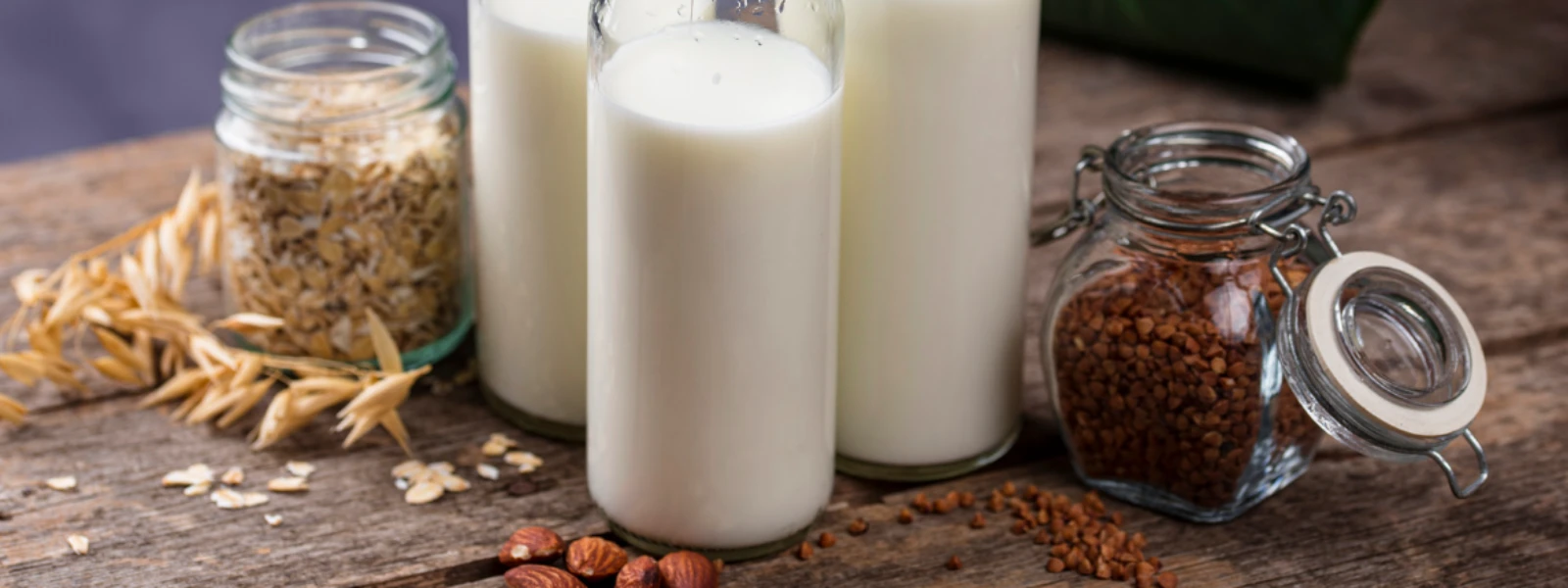


Living with lactose intolerance doesn't mean you have to compromise on your protein goals. While traditional dairy-based protein powders can trigger uncomfortable digestive symptoms, plant-based alternatives offer a safe and effective solution. This guide explores how plant protein powders can support your fitness journey without the bloating, cramping, or digestive distress that often comes with lactose-containing products.
Understanding which plant proteins work best for sensitive stomachs and how to choose quality options can transform your supplement routine. You'll discover the science behind plant protein digestion, learn to identify truly lactose-free products, and find practical strategies for making the switch from dairy-based proteins.
Lactose intolerance affects millions of people worldwide, occurring when the body produces insufficient amounts of lactase, the enzyme needed to break down lactose found in dairy products. Common symptoms include bloating, gas, stomach cramps, and diarrhea after consuming dairy-containing foods or supplements.
Traditional whey and casein protein powders, derived from milk, naturally contain lactose. Even "lactose-reduced" versions may still trigger symptoms in highly sensitive individuals. The lactose content in these products can range from trace amounts to several grams per serving, depending on the processing method used.
Plant proteins offer a natural solution to this problem because they contain zero lactose. Derived from sources like peas, rice, hemp, and other plants, these proteins bypass the digestive challenges associated with dairy products entirely. Research published in the Journal of the International Society of Sports Nutrition confirms that plant-based proteins can effectively support muscle protein synthesis without causing the gastrointestinal distress linked to lactose consumption.
The safety profile of plant proteins extends beyond just being lactose-free. Many plant protein sources are also naturally free from other common allergens, making them suitable for people with multiple food sensitivities. This makes plant protein powders an excellent choice for those seeking a gut-friendly protein source that supports both digestive comfort and nutritional goals.
When selecting a plant protein powder for lactose intolerance, certain sources stand out for their digestibility and nutritional completeness. Understanding the unique benefits of each option helps you make an informed choice based on your specific needs and preferences.
Pea protein has gained popularity as one of the most digestible plant protein sources available. It provides a complete amino acid profile, containing all nine essential amino acids your body needs. The protein is extracted from yellow split peas through a gentle process that preserves its nutritional integrity while removing most fiber and carbohydrates that could cause digestive upset.
Studies show that pea protein is particularly well-tolerated by people with sensitive stomachs. Its smooth texture and neutral taste make it easy to incorporate into smoothies and recipes without causing the grittiness sometimes associated with other plant proteins.
Brown rice protein offers exceptional digestibility and is considered one of the most hypoallergenic protein sources available. It's naturally free from gluten, soy, and dairy, making it suitable for people with multiple food sensitivities. While rice protein is slightly lower in lysine compared to other proteins, this can be easily addressed by combining it with other plant proteins or ensuring adequate lysine intake from whole foods.
Hemp protein provides more than just amino acids. It contains beneficial omega-3 and omega-6 fatty acids, along with fiber that supports digestive health. The natural fiber content in hemp protein can actually benefit gut health by promoting healthy bacteria growth, though some people may need to start with smaller servings to allow their digestive system to adjust.
Expert Tip
When transitioning to plant protein, start with half your usual serving size for the first week. This allows your digestive system to adapt to the new protein source and helps prevent any temporary digestive adjustment symptoms.
The digestive process for plant proteins differs significantly from dairy proteins, often resulting in better tolerance for people with sensitive stomachs. Understanding these differences can help you optimize your protein intake and timing for maximum benefit.
Plant proteins typically require different digestive enzymes compared to dairy proteins. While dairy proteins rely heavily on specific proteases that may be compromised in people with digestive sensitivities, plant proteins can be broken down by a broader range of enzymes. This redundancy in the digestive process often leads to more comfortable digestion.
The absorption rate of plant proteins varies by source but generally provides a steady release of amino acids into the bloodstream. This sustained release can be beneficial for maintaining stable blood sugar levels and providing consistent energy throughout the day. Unlike some dairy proteins that can cause rapid spikes in certain amino acids, plant proteins tend to offer a more balanced amino acid release pattern.
Plant proteins also come with additional compounds that support digestive health. Many contain natural prebiotics and fiber that feed beneficial gut bacteria. This can lead to improved overall gut health over time, creating a positive cycle where better gut health leads to improved protein digestion and absorption.
Selecting a truly gut-friendly protein powder requires careful attention to ingredients and processing methods. The best options for people with lactose intolerance go beyond just being dairy-free – they're formulated specifically to support digestive comfort.
Look for products with minimal ingredient lists that focus on whole food sources. Avoid powders with long lists of artificial additives, fillers, or synthetic ingredients that could potentially irritate sensitive digestive systems. Natural flavoring and sweetening options like stevia or monk fruit are generally better tolerated than artificial alternatives.
Third-party testing certifications provide additional assurance of product quality and purity. Look for certifications that verify the absence of heavy metals, pesticides, and other contaminants that could impact digestive health. Organic certifications can also indicate higher quality sourcing and processing standards.
Consider the processing method used to create the protein powder. Cold-processed or minimally processed options often retain more of the natural nutrients and are easier on the digestive system. Avoid proteins that have been heavily processed with harsh chemicals or high heat, as these methods can create compounds that are harder to digest.
Even dairy-free protein powders can contain ingredients that cause digestive discomfort. Being aware of these potential triggers helps you make better choices and avoid products that might cause bloating or other digestive issues.
Sugar alcohols like sorbitol, mannitol, and xylitol are common sweeteners in protein powders that can cause digestive upset, especially when consumed in larger amounts. These compounds are not fully absorbed by the small intestine and can ferment in the colon, leading to gas and bloating. If you're sensitive to these ingredients, look for products sweetened with natural alternatives.
Artificial sweeteners such as sucralose and aspartame can also trigger digestive symptoms in some people. While these ingredients are generally recognized as safe, they can alter gut bacteria composition and may cause digestive discomfort in sensitive individuals.
Hidden dairy derivatives can sneak into products labeled as "dairy-free." Ingredients like caseinates, whey, or milk proteins can still contain trace amounts of lactose. Always read ingredient lists carefully and look for products that are specifically certified as lactose-free or vegan to ensure complete avoidance of dairy-derived ingredients.
Switching from dairy-based to plant-based protein powder requires a thoughtful approach to ensure digestive comfort and nutritional adequacy. A gradual transition often works better than an immediate complete switch, especially for people with sensitive digestive systems.
Start by replacing one serving of your current protein powder with a plant-based alternative. Monitor your digestive response over several days before increasing the amount or frequency. This gradual approach allows your gut bacteria to adapt to the new protein source and helps identify any specific sensitivities you might have.
Pay attention to timing and serving sizes during the transition period. Some people find that consuming plant protein with food reduces any potential digestive adjustment symptoms. Others prefer taking it on an empty stomach for better absorption. Experiment to find what works best for your individual digestive system.
Consider combining different plant protein sources to create a more complete amino acid profile. Many commercial plant protein blends are specifically formulated to provide optimal amino acid ratios while maintaining digestibility. This approach can help ensure you're getting all the essential amino acids your body needs for muscle maintenance and growth.
While plant proteins are generally well-tolerated, it's best to transition gradually over a week or two. Start with half servings and monitor your digestive response. This allows your gut bacteria to adapt and helps prevent any temporary digestive adjustment symptoms.
Yes, research shows that plant proteins can effectively support muscle protein synthesis when consumed in adequate amounts. The key is choosing complete protein sources or combining different plant proteins to ensure you get all essential amino acids.
Protein needs vary by individual, but most adults need 0.8-1.2 grams per kilogram of body weight daily. Active individuals may need more. Spread your protein intake throughout the day for optimal absorption and digestive comfort.
Most plant proteins are naturally lactose-free, but always check labels for hidden dairy ingredients. Some protein bars or flavored powders may contain milk derivatives. Stick to certified vegan or dairy-free products to be completely safe.
Look for products labeled as "vegan," "dairy-free," or "lactose-free." Check the ingredient list for any milk-derived ingredients like whey, casein, or milk proteins. Third-party certifications provide additional assurance of product purity.
Plant protein powders offer a safe and effective solution for people with lactose intolerance who want to maintain their protein intake without digestive discomfort. By choosing high-quality, minimally processed plant proteins and transitioning gradually, you can enjoy the benefits of protein supplementation while supporting your digestive health. Remember to read labels carefully, start with smaller servings, and listen to your body's response as you make the switch. With the right approach, plant-based proteins can become a valuable part of your nutrition routine, providing the amino acids you need while keeping your digestive system comfortable and healthy.




Someone sent you
Powered by ReferRush


