How to Maximize Mineral Absorption Naturally


Your body needs minerals to function properly, but simply consuming them isn't enough. The key lies in how well your body can absorb and use these essential nutrients. Bioavailable minerals explained simply means understanding how your digestive system processes and absorbs minerals for optimal health benefits.
Poor mineral absorption affects millions of people, leading to deficiencies even when their diet seems adequate. This comprehensive guide will teach you proven strategies to maximize mineral bioavailability naturally, recognize mineral deficiency symptoms, and support your gut health through targeted mineral optimization.
Mineral bioavailability refers to the percentage of consumed minerals that your body actually absorbs and uses. Unlike total mineral content listed on labels, bioavailability determines the real nutritional value you receive.
Your digestive system processes minerals through a complex pathway. First, stomach acid breaks down food and releases bound minerals. Then, specific transport proteins in your small intestine carry these minerals into your bloodstream. Finally, your body distributes them to cells where they're needed most.
The difference between synthetic and naturally occurring minerals significantly impacts absorption rates. Chelated minerals, bound to amino acids or organic compounds, typically show higher bioavailability than inorganic forms. Your body recognizes these chelated forms more easily, leading to better uptake.
Several factors determine bioavailability rates including stomach acid levels, presence of other nutrients, gut health status, and individual genetic variations. Age also plays a role, as mineral absorption typically decreases with advancing years.
Early warning signs of poor mineral absorption often appear gradually. Fatigue, muscle cramps, and frequent infections may indicate inadequate mineral uptake rather than insufficient intake.
Digestive health minerals directly impact gut function and detox processes. Iron deficiency can cause restless leg syndrome and unusual cravings for ice or starch. Magnesium deficiency often manifests as muscle twitches, irregular heartbeat, and difficulty sleeping.
The connection between digestive health minerals and overall wellness runs deep. Poor mineral absorption creates a cycle where gut health deteriorates, further reducing the body's ability to absorb nutrients effectively.
Magnesium serves as the master mineral for gut motility, supporting over 300 enzymatic reactions. It helps maintain proper muscle function in the digestive tract and supports natural detoxification pathways. Magnesium glycinate and magnesium citrate show superior absorption compared to magnesium oxide.
Zinc plays a critical role in intestinal barrier function, helping maintain the gut lining's integrity. This mineral supports immune function and wound healing throughout the digestive tract. Zinc picolinate and zinc bisglycinate offer better bioavailability than zinc sulfate.
Iron bioavailability varies dramatically between forms. Heme iron from animal sources absorbs much better than non-heme iron from plants. Vitamin C significantly enhances iron absorption when consumed together.
Calcium extends beyond bone health to support gut muscle contractions and enzyme activation. However, calcium carbonate requires stomach acid for absorption, while calcium citrate absorbs well even with low acid levels.
Selenium, chromium, and manganese work synergistically with major minerals to optimize absorption. Selenium supports antioxidant enzymes that protect the gut lining from oxidative stress.
These trace minerals often work together in complex ways. Chromium enhances insulin sensitivity, which affects how cells uptake various nutrients. Manganese supports bone formation and wound healing.
Signs you're not getting enough bioavailable nutrients include slow wound healing, frequent infections, and persistent digestive issues despite adequate food intake.
Did You Know?
Your stomach acid levels directly impact mineral absorption. People taking acid-blocking medications may absorb up to 50% fewer minerals, even from high-quality sources. This is why timing and form matter so much for mineral bioavailability.
Stomach acid levels significantly influence mineral absorption. Low stomach acid, common in older adults and those taking certain medications, reduces the body's ability to break down and absorb minerals effectively.
Digestive enzymes help break down food particles, releasing bound minerals for absorption. Supporting natural enzyme production through proper chewing and avoiding excessive liquid with meals can improve mineral uptake.
Timing meals for maximum bioavailability involves eating mineral-rich foods when your digestive system functions optimally. Most people produce peak stomach acid levels before meals, making this the ideal time for mineral-rich foods.
Vitamin C and iron create a powerful absorption partnership. Consuming citrus fruits, bell peppers, or strawberries with iron-rich foods can increase iron absorption by up to 300%.
Healthy fats support the absorption of fat-soluble vitamins and certain minerals. Adding avocado, nuts, or olive oil to mineral-rich meals enhances overall nutrient uptake.
Avoiding mineral absorption blockers is equally important. Phytates in grains and legumes, oxalates in spinach, and tannins in tea and coffee can significantly reduce mineral absorption when consumed together.
Beneficial bacteria in your gut produce enzymes that help break down and absorb minerals. A healthy microbiome creates an environment that supports optimal mineral bioavailability.
Prebiotic foods like garlic, onions, and Jerusalem artichokes feed beneficial bacteria, indirectly supporting mineral absorption. These foods help maintain the gut environment necessary for optimal nutrient uptake.
The gut-mineral absorption connection works both ways. Adequate minerals support beneficial bacteria growth, while a healthy microbiome enhances mineral absorption, creating a positive cycle.
Bioavailable nutrients support intestinal lining integrity by providing the raw materials needed for cellular repair and regeneration. Zinc, in particular, helps maintain tight junctions between intestinal cells.
Improved enzyme production and function result from adequate mineral status. Many digestive enzymes require specific minerals as cofactors to function properly.
Reduced inflammation and better nutrient absorption create a positive feedback loop. As mineral status improves, gut inflammation decreases, leading to even better absorption of all nutrients.
Minerals for gut detox pathways include sulfur-containing compounds that support phase II liver detoxification. Selenium and zinc also support antioxidant enzyme systems that protect against toxin damage.
Supporting liver function with bioavailable nutrients helps the body process and eliminate toxins more effectively. The liver requires numerous minerals to produce detoxification enzymes.
Heavy metal chelation and mineral balance work together. Adequate levels of beneficial minerals like zinc and selenium can help displace toxic metals from binding sites in the body.
Quality bioavailable mineral supplements can fill gaps when food sources aren't sufficient. Look for chelated forms, third-party testing, and appropriate dosages based on individual needs.
Chelated minerals bound to amino acids typically show superior absorption compared to inorganic forms. These supplements work well for people with digestive issues or those who need higher doses.
Timing and dosage considerations matter significantly. Some minerals compete for absorption, so spacing them appropriately throughout the day optimizes uptake.
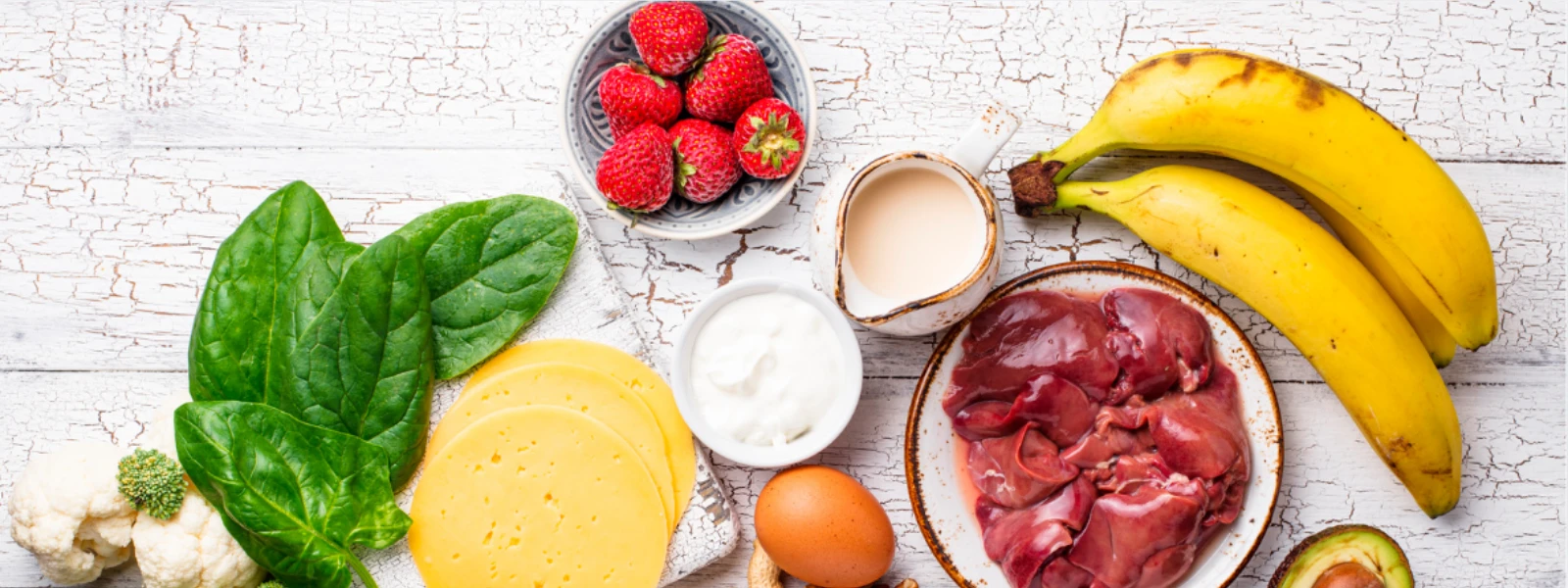
Top mineral-rich foods include organ meats, shellfish, nuts, seeds, and dark leafy greens. These whole food sources often contain cofactors that enhance absorption naturally.
Preparation methods can preserve or destroy mineral bioavailability. Soaking grains and legumes reduces phytates, while fermentation can actually increase mineral availability.
Seasonal eating for optimal mineral intake means choosing locally grown, fresh produce when possible. Soil quality directly impacts the mineral content of plant foods.
Many people unknowingly sabotage their mineral absorption through poor timing and food combinations. Taking calcium and iron together reduces absorption of both minerals significantly.
Medication interactions with mineral absorption include acid blockers, antibiotics, and diuretics. These medications can interfere with mineral uptake or increase mineral losses.
Lifestyle factors like chronic stress, excessive alcohol consumption, and poor sleep quality all reduce the body's ability to absorb and utilize minerals effectively.
Mineral bioavailability depends on the chemical form, presence of enhancing or inhibiting compounds, and individual digestive health. Chelated minerals bound to amino acids typically show higher absorption rates than inorganic salts.
Most people notice initial improvements in energy and digestive function within 2-4 weeks of optimizing mineral absorption. However, rebuilding mineral stores and seeing full benefits may take 3-6 months of consistent effort.
Yes, excessive mineral intake can cause toxicity and interfere with the absorption of other nutrients. This is why balanced intake from whole foods is generally safer than high-dose supplements, except when addressing specific deficiencies under professional guidance.
Magnesium, zinc, and selenium are particularly important for gut detox processes. Magnesium supports gut motility and enzyme function, zinc maintains intestinal barrier integrity, and selenium supports antioxidant systems that protect against toxin damage.
Look for chelated forms, third-party testing certificates, and absorption studies on the specific supplement. Your body's response, including improved energy and reduced deficiency symptoms, also indicates good bioavailability.
Maximizing mineral absorption naturally requires understanding the science behind bioavailability and implementing proven strategies consistently. By optimizing your digestive environment, choosing the right food combinations, and supporting gut health, you can significantly improve how your body absorbs and uses essential minerals. Remember that small, consistent changes in timing, food choices, and supplement selection can lead to substantial improvements in your overall health and energy levels. Consider exploring high-quality, bioavailable mineral supplements as part of a comprehensive approach to optimal nutrition and wellness.




Someone sent you
Powered by ReferRush


