How to Use Aloe Vera for Acid Reflux Relief


Millions of people worldwide experience the burning sensation of acid reflux, searching for effective relief that doesn't rely solely on medications. Among natural remedies gaining scientific attention, aloe vera stands out for its potential to soothe digestive discomfort and support gut health. This comprehensive guide explores how aloe vera may help manage acid reflux symptoms, proper usage methods, and important safety considerations for those seeking natural heartburn relief.
Understanding how to use aloe vera effectively for acid reflux requires knowledge of both the science behind its benefits and practical application methods. You'll learn about the active compounds that make aloe vera beneficial for gut health, proper dosage guidelines, timing strategies, and how to integrate this natural remedy into a comprehensive approach to managing GERD symptoms.
Acid reflux occurs when stomach acid flows backward into the esophagus, causing the characteristic burning sensation known as heartburn. This happens when the lower esophageal sphincter, a ring of muscle that acts as a valve between the stomach and esophagus, weakens or relaxes inappropriately. Gastroesophageal reflux disease (GERD) represents the chronic form of this condition, affecting approximately 20% of adults in developed countries.
Aloe vera contains several bioactive compounds that may help address acid reflux symptoms. The plant's gel contains polysaccharides, particularly acemannan, which possess anti-inflammatory properties. These compounds can help reduce inflammation in the esophageal lining caused by repeated acid exposure. Additionally, aloe vera contains amino acids, vitamins, and minerals that support tissue healing and digestive health.
Research suggests that aloe vera may work through multiple mechanisms to provide acid reflux relief. A 2015 study published in the Journal of Traditional Chinese Medicine found that participants who consumed aloe vera syrup experienced significant reduction in GERD symptoms compared to those taking conventional medications. The study noted improvements in heartburn frequency, food regurgitation, and overall quality of life.
The anti-inflammatory effects of aloe vera extend beyond symptom relief. Regular consumption may help heal damaged esophageal tissue and strengthen the protective mucus barrier in the stomach. This dual action addresses both immediate discomfort and underlying tissue damage that contributes to chronic acid reflux.
The relationship between aloe vera and gut health extends far beyond acid reflux relief. The plant contains over 75 active compounds, including vitamins A, C, and E, which act as antioxidants to protect digestive tissues from oxidative stress. B vitamins, particularly B12, support healthy nerve function in the digestive tract, while minerals like magnesium help regulate muscle contractions in the esophagus and stomach.
Aloe vera's polysaccharides play a crucial role in promoting digestive tract healing. These complex carbohydrates help form a protective gel-like coating along the digestive tract, which can shield sensitive tissues from acid damage. This protective barrier effect is particularly beneficial for individuals with frequent acid reflux episodes.
The plant's natural enzymes, including amylase and lipase, support proper digestion of carbohydrates and fats. Better digestion reduces the likelihood of food remaining in the stomach longer than necessary, which can contribute to acid reflux symptoms. Additionally, aloe vera may help regulate stomach acid production, creating a more balanced digestive environment.
Did You Know?
Aloe vera contains over 20 amino acids, including 8 essential amino acids that the body cannot produce on its own. These building blocks support tissue repair and may help strengthen the esophageal lining damaged by repeated acid exposure.
Beyond acid reflux, aloe vera supports overall gut health by promoting beneficial bacteria growth in the intestines. The prebiotic properties of aloe vera polysaccharides feed healthy gut bacteria, contributing to improved digestive function and immune system support. This comprehensive approach to gut health makes aloe vera a valuable addition to natural digestive wellness protocols.
Choosing appropriate aloe vera products is crucial for safety and effectiveness. Look for pure aloe vera juice that has been decolorized to remove aloin, a compound that can cause digestive upset and cramping. Organic certification ensures the product is free from pesticides and other harmful chemicals that could irritate sensitive digestive tissues.
Avoid aloe vera products containing added sugars, artificial sweeteners, or preservatives, as these additives can worsen acid reflux symptoms in some individuals. Read labels carefully and choose products that list aloe vera as the primary ingredient, with minimal additional components.
Fresh aloe vera gel extracted directly from the plant offers the highest concentration of active compounds. If using fresh aloe, ensure you remove the yellow latex layer completely, as this contains aloin and can cause adverse effects.
Start with a conservative dose of 1 ounce of pure aloe vera juice daily to assess your body's response. Most people can gradually increase to 2-4 ounces daily, divided into 2-3 doses throughout the day. Taking aloe vera 20-30 minutes before meals allows the protective compounds to coat the digestive tract before food and acid production increase.
Consistency is key for experiencing aloe vera's full benefits for acid reflux. Plan to use aloe vera daily for at least 2-4 weeks to allow time for tissue healing and symptom improvement. Some individuals notice relief within days, while others may require several weeks of consistent use.
Monitor your symptoms and adjust dosage accordingly. If you experience any digestive discomfort, reduce the amount or frequency of consumption. Never exceed 8 ounces of aloe vera juice daily, as larger amounts may cause electrolyte imbalances or digestive upset.
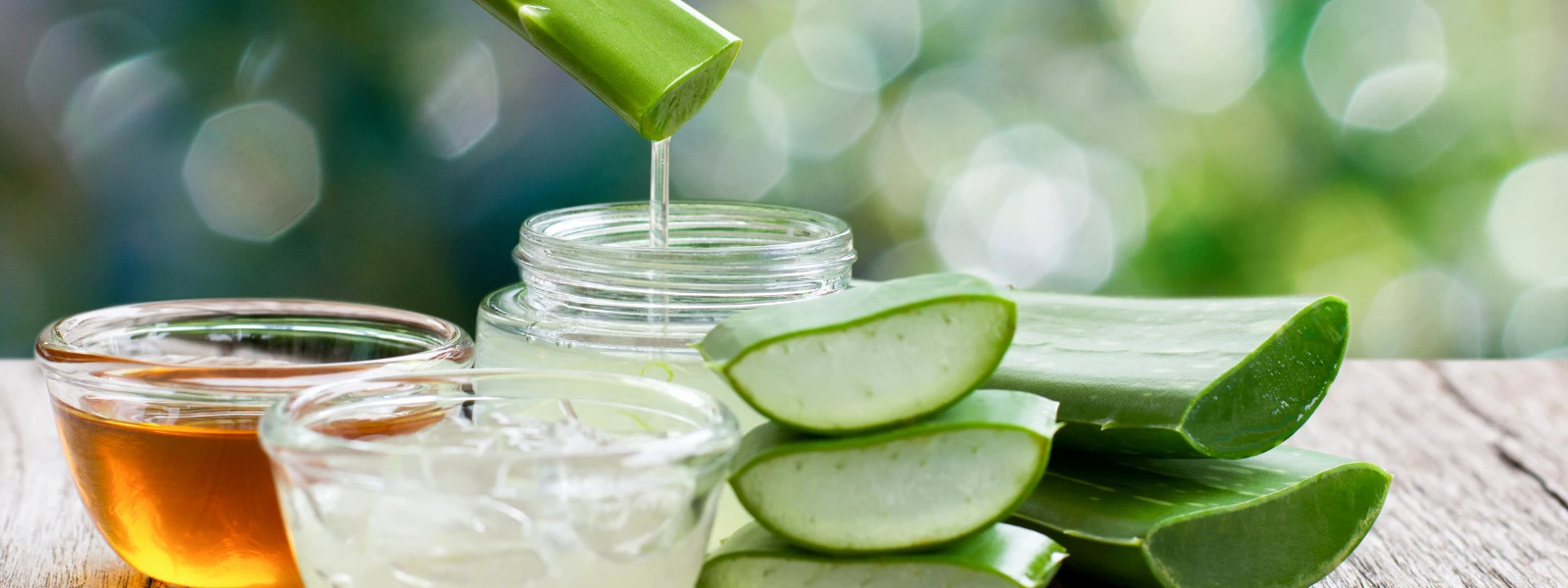
When using fresh aloe vera, cut a mature leaf and remove the thorny edges. Slice the leaf open lengthwise and carefully scrape out the clear gel, avoiding the yellow latex layer near the skin. Rinse the gel thoroughly with water to remove any remaining aloin residue.
Fresh aloe vera gel can be consumed directly or blended with water or herbal teas for easier consumption. Chamomile or ginger tea complement aloe vera's digestive benefits and may enhance overall effectiveness for acid reflux relief.
Store fresh aloe vera gel in the refrigerator for up to one week. Commercial aloe vera juice should be refrigerated after opening and used within the timeframe specified on the product label. Proper storage maintains the potency of active compounds and prevents bacterial contamination.
Combining aloe vera with dietary modifications creates a comprehensive approach to natural heartburn relief. Focus on alkaline foods that help neutralize stomach acid, such as leafy greens, cucumbers, melons, and bananas. These foods work synergistically with aloe vera to create a more balanced digestive environment.
Timing meals appropriately enhances aloe vera's effectiveness. Eat smaller, more frequent meals to reduce stomach pressure and acid production. Allow 2-3 hours between your last meal and bedtime to prevent nighttime acid reflux episodes. Taking aloe vera before each meal provides consistent protection throughout the day.
Avoid trigger foods that can worsen acid reflux symptoms while using aloe vera therapy. Common triggers include spicy foods, citrus fruits, tomatoes, chocolate, caffeine, and alcohol. Eliminating these foods allows aloe vera to work more effectively and prevents counteracting its beneficial effects.
Stay hydrated with water throughout the day, but avoid drinking large amounts during meals, as this can dilute stomach acid and impair digestion. Sipping aloe vera juice mixed with water between meals provides ongoing digestive support without interfering with meal digestion.
Most people experience some relief within 2-4 weeks of consistent daily use, though individual responses vary. Some notice improvements within a few days, while others may require 6-8 weeks of regular consumption to see significant symptom reduction. Consistency and proper dosage are key factors in achieving optimal results.
Take 1-2 ounces of aloe vera juice 20-30 minutes before meals, up to three times daily. This timing allows the protective compounds to coat your digestive tract before food triggers acid production. Avoid taking aloe vera immediately after meals, as this may interfere with normal digestion.
In rare cases, aloe vera may worsen symptoms if you're allergic to the plant or using products containing aloin. Some people may also experience increased symptoms if they consume too much aloe vera or have underlying digestive conditions. Always start with small amounts and choose pure, decolorized aloe vera products.
Start with 1 ounce daily and gradually increase to 2-4 ounces, divided into 2-3 doses throughout the day. Never exceed 8 ounces daily, as larger amounts may cause digestive upset or electrolyte imbalances. Adjust the amount based on your symptoms and tolerance level.
Aloe vera is effective for many people, but combining it with other natural approaches often provides the best results. Ginger, chamomile tea, dietary modifications, and lifestyle changes can complement aloe vera's benefits. The most effective approach varies by individual, so you may need to experiment to find your optimal combination.
Aloe vera offers a promising natural approach to managing acid reflux symptoms through its anti-inflammatory properties and tissue-healing compounds. When used properly with appropriate dosage and timing, aloe vera can provide significant relief for many people experiencing heartburn and GERD symptoms. The key to success lies in choosing high-quality products, starting with conservative doses, and maintaining consistent use while monitoring your body's response. Remember that natural remedies work best as part of a comprehensive approach that includes dietary modifications and lifestyle changes. While aloe vera can be highly beneficial for digestive health, always consult with healthcare providers before starting any new treatment regimen, especially if you have underlying health conditions or take medications. Explore how natural approaches to gut health can complement your wellness journey and support long-term digestive comfort.




Someone sent you
Powered by ReferRush


