LDL vs. HDL: Understanding Good and Bad Cholesterol
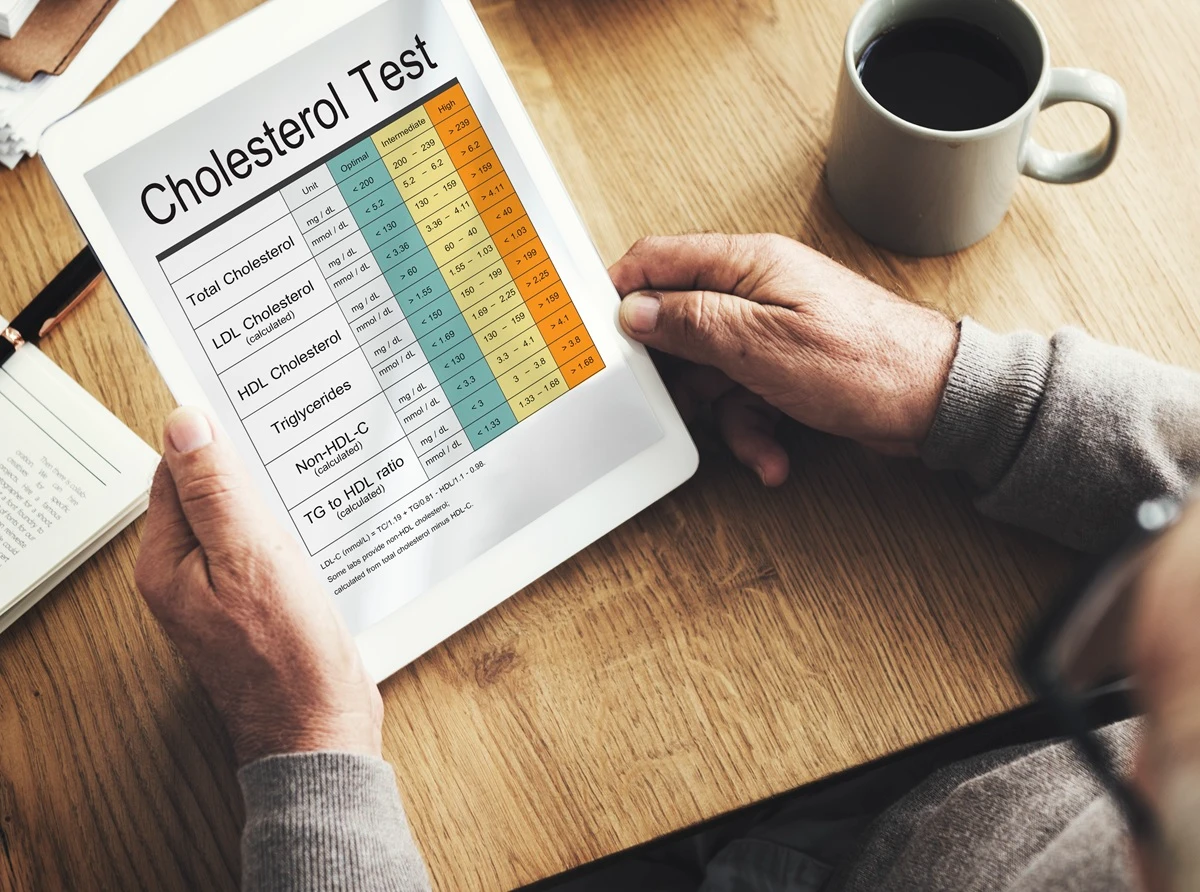


Your cholesterol numbers might seem like a confusing medical puzzle, but understanding the difference between LDL and HDL cholesterol is simpler than you think. These two types of cholesterol play very different roles in your body - one protects your heart while the other can put it at risk. By the end of this guide, you'll know exactly what these numbers mean for your health and how to keep them in the right balance.
Cholesterol is a waxy, fat-like substance that your body needs to build healthy cells. Your liver makes about 75% of the cholesterol in your body, while the remaining 25% comes from the food you eat. Despite its bad reputation, cholesterol serves important functions in your body.
Your body uses cholesterol to make hormones like testosterone and estrogen. It also helps create bile acids that digest fats and forms part of every cell membrane. Without cholesterol, your body couldn't function properly. The problem isn't cholesterol itself - it's having too much of the wrong type.
Cholesterol travels through your bloodstream in packages called lipoproteins. Think of these as delivery trucks carrying cholesterol to different parts of your body. The two main types are low-density lipoprotein (LDL) and high-density lipoprotein (HDL). Each has a very different job to do.
LDL cholesterol carries cholesterol from your liver to the cells that need it. When everything works well, this system keeps your cells healthy. However, problems start when you have too much LDL cholesterol floating around in your blood.
When LDL cholesterol levels get too high, these particles can stick to the walls of your arteries. Over time, this creates a buildup called plaque. This plaque makes your arteries narrower and less flexible, which can lead to serious cardiovascular risk. Think of it like rust building up in a pipe - eventually, it blocks the flow.
Several factors can raise your bad cholesterol levels. Eating foods high in saturated fats and trans fats is a major contributor. Being overweight, not exercising enough, and smoking can also push your LDL numbers higher. Some people inherit genes that make their bodies produce too much LDL cholesterol.
High LDL cholesterol increases your risk of heart disease and stroke. When plaque builds up in your arteries, it can suddenly rupture and form a blood clot. If this happens in an artery feeding your heart, you could have a heart attack. If it occurs in an artery going to your brain, it could cause a stroke.
HDL cholesterol works like a cleanup crew in your bloodstream. These particles pick up excess cholesterol from your arteries and tissues and transport it back to your liver. Your liver then breaks down this cholesterol or sends it out of your body.
HDL cholesterol acts like a protective shield for your heart. It removes cholesterol from artery walls before it can form dangerous plaque. Higher levels of HDL cholesterol are linked to lower rates of heart disease. This is why doctors want to see your HDL numbers go up, not down.
Regular exercise is one of the best ways to boost your HDL cholesterol. Even moderate activity like brisk walking can help. Eating healthy fats from sources like olive oil, nuts, and fish can also raise HDL levels. Losing excess weight and quitting smoking are other effective strategies.
HDL cholesterol doesn't just remove cholesterol from your arteries. It also has anti-inflammatory properties that help keep your blood vessels healthy. Some research suggests HDL cholesterol might even help prevent blood clots from forming.
The main difference between LDL and HDL lies in their density and protein content. HDL particles are smaller and denser, packed with more protein. LDL particles are larger and carry more cholesterol. This structural difference determines how they behave in your body.
LDL and HDL cholesterol have opposite effects on your heart health. While LDL cholesterol can damage your arteries and increase cardiovascular risk, HDL cholesterol protects them. The balance between these two types is crucial for maintaining healthy blood vessels.
For LDL cholesterol, lower is generally better. Most experts recommend keeping LDL below 100 mg/dL, though some suggest even lower targets for people at high risk. For HDL cholesterol, higher is better. Men should aim for HDL levels above 40 mg/dL, while women should target levels above 50 mg/dL.
Your total cholesterol number matters, but the ratio between LDL and HDL is even more important. Having high HDL can help offset moderately elevated LDL levels. This is why doctors look at your complete lipid profile rather than just one number.
Your liver plays a crucial role in cholesterol management and detoxification. A healthy liver can help maintain optimal cholesterol levels by producing the right amount of cholesterol and processing excess amounts effectively.
A lipid profile is a blood test that measures different types of fats and cholesterol in your blood. This simple test gives doctors valuable information about your cardiovascular risk. Most people need to fast for 9-12 hours before the test for accurate results.
Your lipid profile includes four main measurements: total cholesterol, LDL cholesterol, HDL cholesterol, and triglycerides. Each number tells part of the story about your heart health. Together, they give a complete picture of your cholesterol management status.
Understanding your lipid profile numbers helps you make informed health decisions. Total cholesterol should be below 200 mg/dL. LDL cholesterol should be under 100 mg/dL for most people. HDL cholesterol should be above 40 mg/dL for men and 50 mg/dL for women. Triglycerides should stay below 150 mg/dL.
Triglycerides are another type of fat in your blood that can affect your heart health. High triglyceride levels often occur alongside low HDL cholesterol and high LDL cholesterol. This combination significantly increases your cardiovascular risk and needs attention.
What you eat directly affects your cholesterol levels. Focus on foods rich in soluble fiber like oats, beans, and apples. These help lower LDL cholesterol. Choose healthy fats from sources like olive oil, avocados, and nuts. Limit foods high in saturated fats and avoid trans fats completely.
Regular physical activity is one of the most effective ways to improve your cholesterol profile. Exercise helps raise HDL cholesterol while lowering LDL cholesterol and triglycerides. Even 30 minutes of moderate activity most days of the week can make a significant difference.
Sometimes lifestyle changes aren't enough to reach healthy cholesterol levels. Your doctor might prescribe medications to help manage your cholesterol. These work in different ways - some block cholesterol production while others help your body absorb less cholesterol from food.
Supporting your liver's natural detoxification processes can help with cholesterol management. A healthy liver efficiently processes cholesterol and removes toxins that might interfere with normal cholesterol metabolism. When choosing supplements to support overall health, look for options with superior ingredients, highly absorbable formats, palatable flavors that make maintaining consistent routines easier.
LDL cholesterol is often called bad cholesterol because it can build up in your arteries, increasing your risk of heart disease. HDL cholesterol is known as good cholesterol because it helps remove other forms of cholesterol from your bloodstream and transport them back to your liver for processing.
Most healthy adults should have their cholesterol checked every 4 to 6 years starting at age 20. However, people with cardiovascular risk factors may need more frequent testing. Your healthcare provider can recommend the right testing schedule based on your individual risk factors and health history.
Yes, lifestyle changes can significantly impact cholesterol levels. A heart-healthy diet, regular exercise, maintaining a healthy weight, and avoiding smoking can all help improve your cholesterol profile. Many people can achieve healthy cholesterol levels through lifestyle modifications alone.
No, not all fats are bad for cholesterol. While saturated and trans fats can raise LDL cholesterol, unsaturated fats found in foods like olive oil, nuts, and avocados can actually help improve your cholesterol profile when consumed in moderation as part of a balanced diet.
High levels of LDL cholesterol and low levels of HDL cholesterol are associated with an increased risk of cardiovascular disease. These imbalances can lead to the buildup of plaque in the arteries, potentially causing heart attacks or strokes. The ratio between these cholesterol types is a key indicator of heart health.
Understanding the difference between LDL and HDL cholesterol empowers you to take control of your heart health. Remember that LDL cholesterol can harm your arteries when levels get too high, while HDL cholesterol protects them by removing excess cholesterol. The key is maintaining the right balance through healthy lifestyle choices including proper nutrition, regular exercise, and supporting your body's natural processes. Your lipid profile numbers are more than just medical data - they're a roadmap to better cardiovascular health. Consider exploring comprehensive wellness approaches that support your body's natural cholesterol management and overall detoxification processes for optimal health outcomes.


Someone sent you
Powered by ReferRush


