Probiotic Storage: Everything You Need to Know
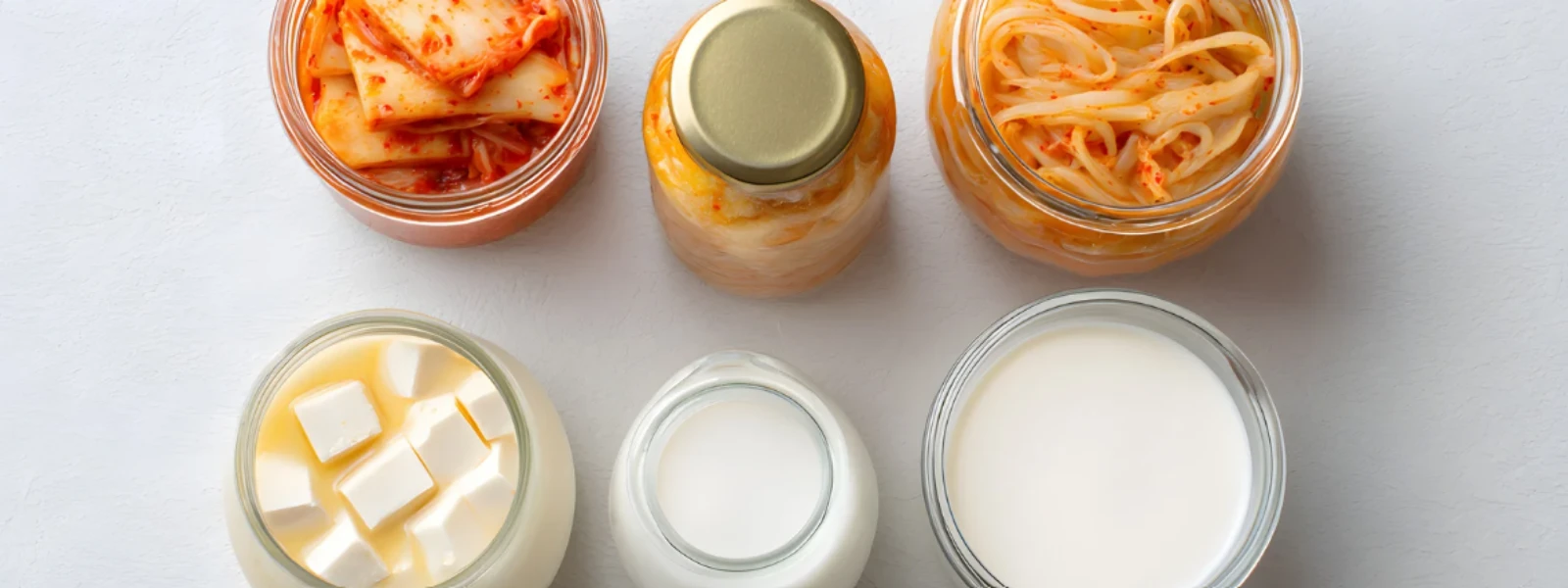


Proper storage can make or break your probiotic supplement's effectiveness. With billions of live bacteria at stake, understanding the right storage conditions becomes crucial for maintaining gut health benefits. This comprehensive guide explores whether probiotics need daily refrigeration, optimal storage methods, and how environmental factors impact bacterial viability.
Probiotic bacteria are living microorganisms that remain sensitive to environmental changes. Temperature, humidity, light, and oxygen exposure directly affect their survival and potency. Understanding these factors helps determine the best storage approach for your specific supplement.
Most probiotic strains thrive in cool, dry environments. Heat accelerates bacterial death, while excessive moisture can trigger unwanted bacterial growth or degradation. The manufacturing process also influences storage needs - freeze-dried probiotics typically show greater stability than liquid formulations.
Research shows that probiotic bacteria storage at room temperature can reduce viable cell counts by 50% within weeks. However, refrigeration at 2-8°C significantly extends shelf life and maintains potency. Some advanced formulations use protective coatings that allow room temperature storage without major potency loss.
Different bacterial strains exhibit varying temperature sensitivities. Lactobacillus species generally tolerate temperature fluctuations better than Bifidobacterium strains. This variation explains why some probiotics require strict refrigeration while others remain stable at room temperature.
The answer to "should probiotics be refrigerated daily" depends on the specific formulation. Not all probiotics require refrigeration, but proper identification of your supplement type ensures optimal storage.
Refrigerated probiotics contain live cultures that require consistent cool temperatures to survive. These formulations typically offer higher bacterial counts but demand careful handling throughout the supply chain.
Shelf-stable probiotics undergo specialized processing like freeze-drying or microencapsulation. These techniques create protective barriers around bacteria, allowing room temperature storage while maintaining viability. However, even shelf-stable formulations benefit from cool storage when possible.
Manufacturers provide specific storage instructions based on their formulation's stability testing. Look for phrases like "refrigerate after opening," "store in a cool, dry place," or "do not freeze." These guidelines reflect extensive testing to ensure optimal probiotic effectiveness storage.
Expiration dates also indicate storage-dependent potency. Products stored improperly may lose effectiveness before the printed date, while proper storage can maintain potency throughout the shelf life period.
Did You Know?
Freeze-dried probiotics can survive at room temperature for months, but refrigeration can extend their potency by up to 50% beyond the expiration date when stored properly.
Creating the ideal storage environment involves controlling multiple factors that affect bacterial survival. The best way to store probiotics combines temperature control, moisture protection, and light avoidance.
When refrigerating probiotics, place them in the main compartment rather than the door. Door storage exposes supplements to temperature fluctuations every time you open the refrigerator. The ideal spot maintains consistent temperatures between 2-8°C.
Keep probiotics in their original containers with desiccant packets intact. These packets absorb excess moisture that could damage bacterial cultures. Never store probiotics in bathroom medicine cabinets where humidity levels fluctuate dramatically.
For shelf-stable formulations, choose cool, dark locations away from heat sources. Kitchen pantries work well if they remain consistently cool. Avoid storing probiotics near stoves, dishwashers, or sunny windows where temperatures can spike unexpectedly.
Airtight containers provide additional protection against moisture and oxygen exposure. However, ensure containers are completely dry before transferring supplements to prevent introducing moisture that could compromise bacterial viability.
Understanding how probiotics and temperature interact helps optimize storage decisions. Heat exposure represents the primary threat to bacterial survival, but other environmental factors also play crucial roles.
Consistent temperatures prove more important than absolute coldness. Repeated temperature changes stress bacterial cells, accelerating death rates even when average temperatures remain acceptable. This explains why refrigerated probiotics shouldn't be left out repeatedly.
Extreme heat exposure can kill probiotics within hours. Leaving supplements in hot cars or direct sunlight can destroy months of careful storage. Even brief exposure to temperatures above 25°C can significantly reduce viable bacterial counts.
Excess moisture triggers bacterial growth and degradation processes that reduce supplement quality. Storing probiotics properly includes maintaining low humidity environments, typically below 60% relative humidity.
Bathroom storage presents particular challenges due to shower steam and humidity fluctuations. These conditions can compromise even shelf-stable formulations over time, making alternative storage locations preferable.
Recognizing when probiotics have degraded helps prevent consuming ineffective supplements. Several indicators suggest compromised bacterial viability requiring replacement.
Clumping, color changes, or unusual odors often indicate moisture exposure or bacterial degradation. Capsules that appear swollen or damaged may have experienced temperature stress that compromised contents.
Powder formulations should flow freely without clumping. Sticky or hardened powders suggest moisture exposure that could have damaged bacterial cultures. When in doubt, replace questionable supplements rather than risk consuming ineffective products.
Reduced digestive benefits or lack of expected gut health improvements may signal compromised probiotic potency. However, individual responses vary, making physical storage conditions a more reliable indicator of supplement quality.
Keep storage logs noting temperature exposures or unusual conditions. This information helps identify potential potency issues and guides future storage decisions for maintaining gut health supplements storage quality.
Maintaining probiotic viability during travel requires special consideration of temperature control and storage duration. Short-term storage without refrigeration becomes acceptable for most formulations when properly managed.
Most refrigerated probiotics tolerate room temperature storage for 1-2 weeks without significant potency loss. This tolerance allows for travel and temporary storage situations when refrigeration isn't available.
Insulated containers with ice packs extend safe storage periods for longer trips. However, avoid direct contact between ice and supplement containers to prevent condensation that could introduce moisture.
Hot climates require extra precautions for probiotic bacteria storage. Air conditioning, insulated bags, and avoiding car storage become essential for maintaining bacterial viability in high-temperature environments.
Cold climates present fewer storage challenges, but freezing temperatures can damage some formulations. Check manufacturer guidelines regarding freeze tolerance before exposing probiotics to sub-zero temperatures.
Shelf-stable probiotics don't require daily refrigeration, but cool storage can extend their potency and shelf life. Room temperature storage in cool, dry places works fine for these formulations.
Most refrigerated probiotics can tolerate room temperature for 1-2 weeks without major potency loss. However, return them to refrigeration as soon as possible to maintain optimal effectiveness.
Probiotics requiring refrigeration will gradually lose potency at room temperature. While they won't become harmful, their effectiveness decreases over time, potentially reducing gut health benefits.
Freezing can damage some probiotic formulations by rupturing bacterial cell walls. Check manufacturer guidelines, as some freeze-dried formulations tolerate freezing better than others.
Look for physical changes like clumping, color changes, or unusual odors. Maintain proper storage conditions and replace supplements that have been exposed to extreme temperatures or humidity.
Proper probiotic storage significantly impacts supplement effectiveness and your investment in gut health. Whether your probiotics require daily refrigeration depends on the specific formulation, but following manufacturer guidelines ensures optimal bacterial viability. Key storage principles include maintaining consistent cool temperatures, controlling humidity, and protecting from light exposure. By understanding these factors and implementing proper storage practices, you can maximize the benefits of your probiotic supplements and support your digestive wellness goals. Consider exploring quality supplement options that prioritize stability and provide clear storage guidance for optimal results.




Someone sent you


