Chocolate Milk Protein Powder: Complete Parent Guide
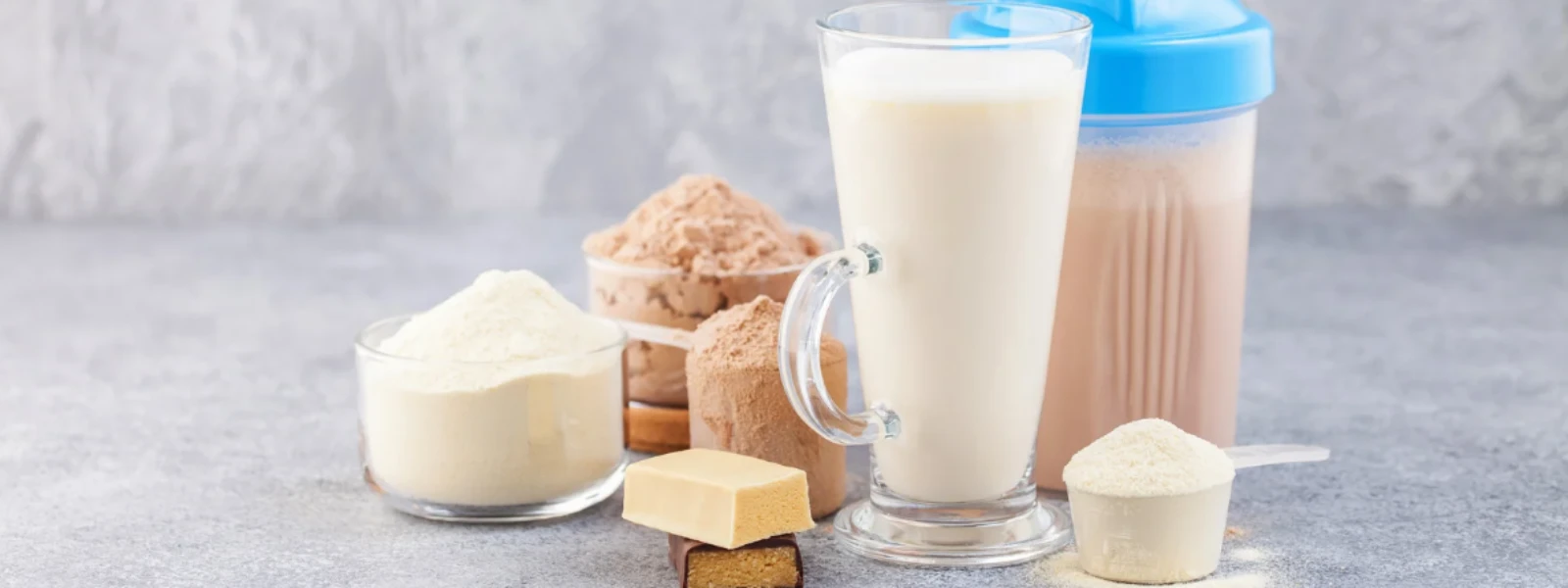


As parents navigate the complex world of children's nutrition, chocolate milk protein powder has emerged as a popular solution for ensuring kids get adequate protein while enjoying a familiar, beloved flavor. With growing concerns about processed foods and the need for convenient nutrition options, many families are turning to protein-enhanced alternatives that combine taste with nutritional value.
This comprehensive guide explores everything parents need to know about chocolate milk protein powder, from understanding different types and their benefits to making informed choices for their children's health. Whether you're looking to support an active child's recovery needs or simply want to boost daily protein intake, understanding the science and safety behind these products is essential for making the best decisions for your family.
Chocolate milk protein powder represents a concentrated form of protein combined with chocolate flavoring to create a palatable nutrition supplement for children. Unlike regular chocolate milk, these powders typically contain 15-25 grams of protein per serving compared to the 8 grams found in traditional chocolate milk.
The primary difference between chocolate protein powder and regular protein supplements lies in the formulation and target audience. Children's versions often include additional vitamins, minerals, and growth-supporting nutrients while maintaining appealing taste profiles that encourage consistent consumption.
Most chocolate milk protein powders use either whey protein chocolate or casein protein chocolate as their base. Whey protein absorbs quickly, making it ideal as a post workout recovery drink for active children. Casein protein digests more slowly, providing sustained amino acid release that supports overnight muscle recovery and growth.
Some products combine both proteins to offer comprehensive amino acid profiles throughout the day. This dual approach ensures children receive both immediate and long-term nutritional support for their developing bodies.
Protein plays a crucial role in children's development, supporting muscle growth, brain function, and immune system strength. Chocolate protein powder provides concentrated nutrition that can be particularly beneficial for picky eaters or children with increased nutritional needs due to sports participation or growth spurts.
High-quality protein powders contain all nine essential amino acids necessary for proper growth and development. These building blocks support muscle tissue formation, enzyme production, and neurotransmitter synthesis that affects mood and cognitive function.
For children involved in sports or physical activities, a muscle building shake made with chocolate protein powder can help repair and strengthen muscles after exercise. The convenient format makes it easy to provide nutrition when whole food options aren't immediately available.
Many chocolate milk protein powders include added vitamins and minerals specifically chosen to support children's development. Calcium supports bone growth, while B-vitamins aid in energy metabolism and brain function. Some formulations also include probiotics for digestive health and omega-3 fatty acids for cognitive development.
Did You Know?
Children aged 7-14 require approximately 0.95-1.0 grams of protein per kilogram of body weight daily. A single serving of quality chocolate protein powder can provide 30-40% of this daily requirement in a convenient, enjoyable format.
While protein supplements can be beneficial, parents must consider safety and appropriateness for their child's age and health status. Most pediatric nutritionists recommend protein powders for children aged 7 years and above, when dietary needs become more complex and activity levels typically increase.
Children's protein needs differ significantly from adults, making proper dosing essential. Generally, one scoop (providing 15-20 grams of protein) per day is sufficient for most children. This amount should complement, not replace, protein from whole food sources like eggs, dairy, and lean meats.
Parents should introduce protein powder gradually, starting with half servings to assess tolerance and preference. Monitoring for any digestive discomfort or changes in appetite helps ensure the supplement enhances rather than disrupts normal eating patterns.
When selecting a healthy protein shake option, look for products that are Clean Label Certified and free from artificial preservatives, colors, and excessive added sugars. Third-party testing for heavy metals and contaminants provides additional safety assurance.
Avoid products with maltodextrin, artificial sweeteners, or unnecessary fillers that don't contribute to nutritional value. Natural flavoring and minimal ingredient lists typically indicate higher quality formulations designed specifically for children's needs.
Selecting the best chocolate protein powder requires evaluating several factors including nutritional content, ingredient quality, taste preferences, and specific dietary requirements. Understanding these elements helps parents make informed decisions that align with their family's health goals.
Focus on protein content per serving, ensuring it provides meaningful nutritional value without excessive calories from added sugars. Look for products that offer complete amino acid profiles and additional nutrients like calcium, Vitamin D, and B-vitamins that support overall growth and development.
Compare sugar content carefully, as some chocolate flavored products contain significant amounts of added sweeteners. Options with no refined sugar or those sweetened with natural alternatives like stevia provide better long-term health benefits.
Children with lactose intolerance may benefit from plant-based protein options or lactose-free formulations. Those with gluten sensitivities should verify that products are certified gluten-free and manufactured in facilities that prevent cross-contamination.
For families prioritizing organic nutrition, seek products made with organic ingredients and minimal processing. These options often provide cleaner nutrition profiles while supporting sustainable farming practices.
Making protein consumption enjoyable encourages consistent intake and helps establish healthy eating habits. Creative protein smoothie recipes can transform basic chocolate protein powder into exciting treats that children eagerly anticipate.
Start with simple combinations using chocolate protein powder, milk or milk alternatives, and a banana for natural sweetness and creamy texture. This basic healthy protein shake provides excellent nutrition while maintaining familiar flavors that most children enjoy.
For enhanced nutrition, add spinach or mild greens that blend seamlessly with chocolate flavoring. The chocolate taste masks vegetable flavors while significantly boosting vitamin and mineral content.
Serve protein shakes as post workout recovery drinks after sports or physical activities when muscles need repair nutrients most. They also work well as afternoon snacks or breakfast additions for children who struggle to eat adequate protein at regular meals.
Avoid serving protein shakes too close to meal times, as they may reduce appetite for whole foods that provide additional nutrients and fiber essential for balanced nutrition.
Most pediatric nutrition experts recommend waiting until age 7 before introducing protein powders, as younger children typically meet their protein needs through regular foods. Always consult your pediatrician before giving supplements to children under 7.
Generally, one scoop providing 15-20 grams of protein per day is appropriate for most children aged 7 and above. This amount should supplement, not replace, protein from whole food sources in their regular diet.
No, protein powder should never replace balanced meals. It works best as a supplement to ensure adequate protein intake, especially for active children or picky eaters who may not consume enough protein from food sources alone.
Whey protein absorbs quickly, making it ideal for post-exercise recovery, while casein protein digests slowly, providing sustained amino acid release. Some products combine both for comprehensive nutrition throughout the day.
When used appropriately, side effects are minimal. However, excessive consumption may cause digestive discomfort, bloating, or reduced appetite for regular foods. Start with smaller servings and monitor your child's response.
Chocolate milk protein powder can be a valuable addition to children's nutrition when chosen carefully and used appropriately. The key lies in selecting high-quality products with clean ingredients, proper protein content, and minimal artificial additives. By understanding the different types available, safety considerations, and creative ways to incorporate them into daily routines, parents can make informed decisions that support their children's growth and development. Remember that protein powder should complement, not replace, a balanced diet rich in whole foods, and consulting with healthcare providers ensures the best outcomes for your child's individual needs.




Someone sent you
Powered by ReferRush


