Boost Toddler Digestion: A Complete Step Guide
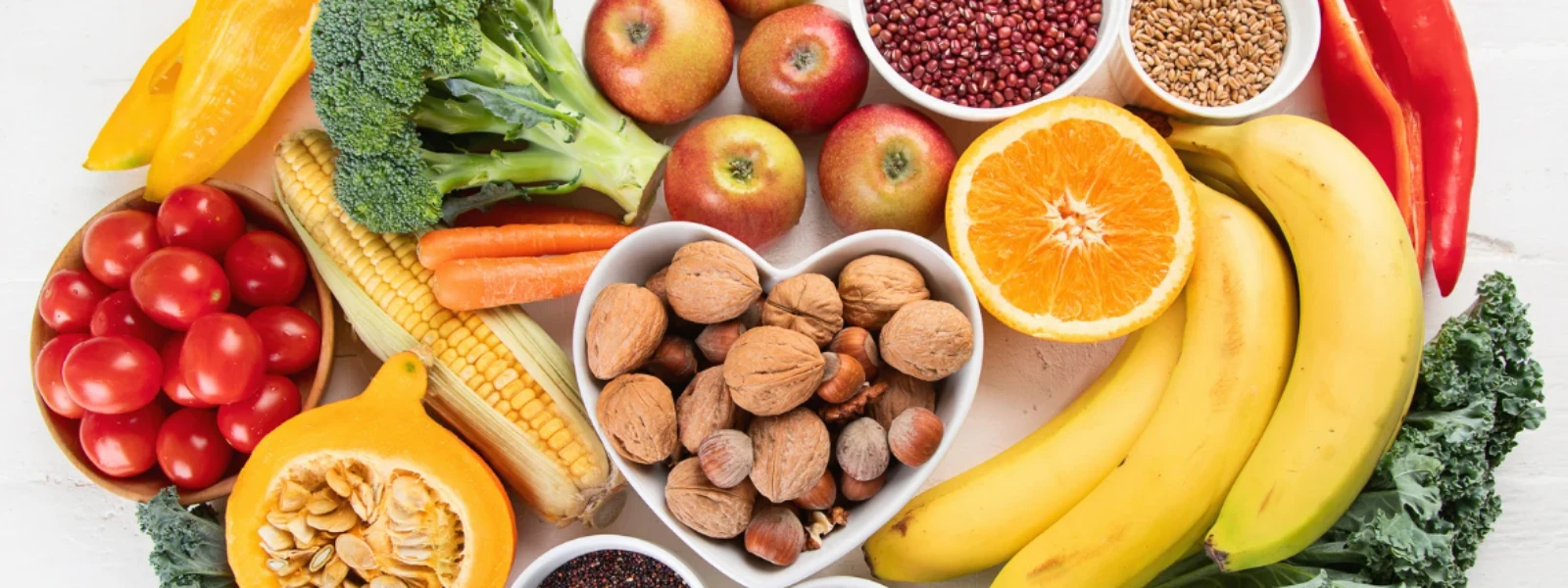


Watching your little one struggle with tummy troubles can be heart-wrenching for any parent. From constipation that leaves them uncomfortable to bloating that disrupts their sleep, toddler digestive issues are more common than you might think. The good news? Most digestive problems in toddlers can be improved with simple, natural approaches that support their developing gut health.
This comprehensive guide will walk you through proven strategies to improve toddler digestion, from identifying warning signs to implementing daily routines that promote healthy gut function. You'll discover which foods work best for your child's digestive system, learn natural remedies for common issues, and understand when professional help might be needed.
A toddler's digestive system is still maturing, making them more susceptible to digestive issues than adults. Between ages 1-5, their gut microbiome continues developing, and their ability to process different foods improves gradually. This developmental phase means that what works for an adult's digestion may not be suitable for your toddler.
The digestive tract in toddlers processes food differently than in older children. Their stomach capacity is smaller, requiring more frequent, smaller meals. Additionally, their intestinal transit time varies, which can lead to irregular bowel movements that concern parents.
Recognizing toddler digestive issues early helps you address problems before they become more serious. Watch for these key indicators:
Constipation affects up to 30% of toddlers and often presents as hard, dry stools or fewer than three bowel movements per week. Your child might strain during bowel movements or complain of stomach pain.
Bloating and gas can cause visible abdominal distension and discomfort. Toddlers may become fussy, refuse meals, or wake up crying during the night due to trapped gas.
Changes in appetite or eating behavior often signal digestive discomfort. A previously good eater might suddenly become picky or refuse foods they once enjoyed.
Did You Know?
Toddlers need approximately 19 grams of fiber daily for optimal digestive health, but most children this age only consume about half that amount through their regular diet.
The foundation of good toddler digestive health lies in choosing the right foods for toddler digestion. These nutrient-rich options support gut health while being gentle on developing digestive systems.
Easy to digest foods toddlers can enjoy include ripe bananas, which provide both soluble and insoluble fiber. The natural sugars in bananas also help feed beneficial gut bacteria.
Cooked vegetables like carrots, sweet potatoes, and squash offer gentle fiber that's easier for toddlers to process than raw vegetables. Steam or roast these vegetables until they're soft and naturally sweet.
Whole grain options such as oatmeal, brown rice, and whole wheat pasta provide sustained energy while supporting healthy bowel movements. Start with small portions and gradually increase as your toddler's system adapts.
Plain yogurt with live cultures serves as an excellent source of beneficial bacteria for toddler gut health. Choose varieties without added sugars and mix in fresh fruit for natural sweetness.
Kefir, a fermented milk drink, contains even more probiotic strains than yogurt. Its tangy flavor can be masked by blending with berries or banana.
Fermented foods like mild sauerkraut or kimchi can be introduced in tiny amounts for adventurous eaters, though most toddlers prefer milder probiotic sources.
Establishing consistent daily habits significantly impacts how to improve digestion in toddlers. A structured approach helps regulate their digestive system and prevents common issues.
Begin each day with proper hydration. Offer your toddler 4-6 ounces of water upon waking to help stimulate digestive function after the overnight fast.
Plan breakfast combinations that include fiber, protein, and healthy fats. Oatmeal topped with sliced banana and a dollop of yogurt provides an ideal digestive-friendly start to the day.
Encourage gentle movement before breakfast. Simple stretching, dancing, or walking helps stimulate the digestive system and can prevent constipation.
Space meals 2-3 hours apart to allow proper digestion between eating sessions. This prevents overwhelming your toddler's developing digestive system.
Create a calm eating environment free from distractions like television or toys. This helps your toddler focus on eating and improves digestion through mindful consumption.
Offer smaller, more frequent meals rather than three large ones. Toddler stomach capacity is limited, and smaller portions are easier to digest completely.
When toddler digestive issues arise, gentle, natural approaches often provide effective toddler constipation relief and address other common concerns.
Increase water intake gradually throughout the day. Dehydration is a leading cause of constipation in toddlers, and proper hydration often resolves the issue within 24-48 hours.
Gentle abdominal massage can stimulate bowel movements. Use circular motions around the belly button, moving clockwise to follow the natural direction of the intestines.
Encourage physical activity appropriate for your toddler's age. Running, jumping, or even crawling games help stimulate digestive movement and can provide natural constipation relief.
Toddler bloating remedies often involve simple dietary adjustments. Temporarily reduce foods known to cause gas, such as beans, broccoli, or carbonated drinks.
The "bicycle" exercise, where you gently move your toddler's legs in a cycling motion while they lie on their back, can help release trapped gas.
Warm baths may provide comfort and help relax abdominal muscles, making it easier for gas to pass naturally.
Expert Tip
If your toddler experiences frequent digestive discomfort, keep a food diary for one week. This can help identify specific trigger foods that may be causing stomach problems.
Certain foods and practices can worsen toddler stomach problems and should be limited or avoided to maintain optimal digestive health.
Processed foods high in sugar and artificial additives can disrupt the natural balance of gut bacteria. These foods are often low in fiber and nutrients while being difficult for young digestive systems to process.
Excessive fruit juice, even 100% natural varieties, can cause loose stools and stomach upset due to high sugar content. Limit juice to 4-6 ounces daily and dilute with water when possible.
Forcing eating or using food as rewards can create negative associations with meals and disrupt natural hunger cues. This can lead to overeating or undereating, both of which affect digestion.
Eating too quickly prevents proper chewing and can lead to swallowing excess air, causing gas and bloating. Encourage your toddler to eat slowly and chew thoroughly.
While most toddler digestive issues resolve with dietary and lifestyle changes, certain symptoms require medical attention to rule out underlying conditions.
Persistent abdominal pain lasting more than a few days, especially if it interferes with sleep or play, warrants a pediatric consultation. This could indicate conditions requiring medical intervention.
Blood in stool, whether bright red or dark, should always be evaluated by a healthcare provider immediately. This symptom can indicate various conditions that need prompt diagnosis.
Recurring vomiting, particularly when accompanied by fever or signs of dehydration, requires medical assessment. Persistent vomiting can quickly lead to serious complications in toddlers.
Significant changes in appetite or eating patterns lasting more than a week may signal underlying digestive issues that benefit from professional evaluation.
Most dietary changes show results within 3-7 days, though establishing new gut bacteria balance through probiotics may take 2-4 weeks. Consistency with new routines is key to seeing lasting improvements.
Adult supplements are not appropriate for toddlers due to dosage and ingredient differences. Always consult your pediatrician before introducing any supplements, and focus on food-based solutions first.
Start with small amounts mixed into familiar foods. Blend vegetables into smoothies, add pureed fruits to oatmeal, or try different cooking methods to make fiber-rich foods more appealing.
Toddlers typically need 4-6 cups of fluids daily, primarily from water. Offer small amounts throughout the day rather than large quantities at once to support steady hydration.
Some variation is normal, but consistent patterns of fewer than three bowel movements per week or very hard stools indicate constipation that should be addressed through dietary and lifestyle changes.
Improving toddler digestion requires patience, consistency, and a focus on gentle, natural approaches that support your child's developing digestive system. By incorporating fiber-rich foods, maintaining proper hydration, establishing regular meal routines, and recognizing when professional help is needed, you can help your toddler develop healthy digestive habits that will benefit them throughout their life. Remember that every child is unique, and what works for one toddler may need adjustment for another. The key is to remain observant, patient, and consistent with the strategies that show positive results for your little one.




Someone sent you
Powered by ReferRush


