Healthy Kids Drinks: Your Complete Nutrition Guide
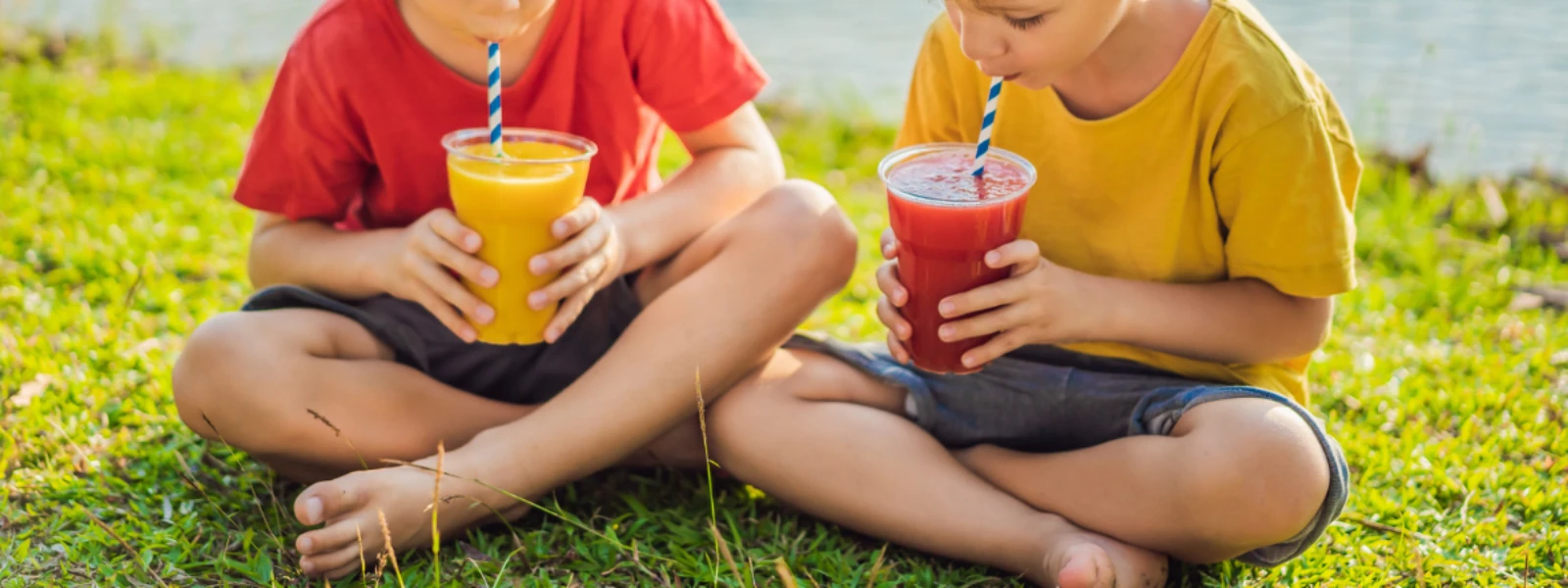


When it comes to nourishing growing bodies, the beverages we offer our children play a crucial role that extends far beyond simple thirst-quenching. With childhood obesity rates climbing and sugar consumption reaching alarming levels, understanding what constitutes healthy kids drinks has become more important than ever. This comprehensive guide will help you navigate the complex world of children's beverages, offering science-backed insights into the best drinks for kids while providing practical solutions for busy parents.
You'll discover how to identify truly nutritious kids drinks, learn about age-appropriate hydration needs, and explore creative alternatives that will keep your children both healthy and happy. From understanding the hidden dangers in popular beverages to mastering the art of natural, refreshing options, this guide equips you with everything needed to make informed decisions about your child's liquid nutrition.
The average child consumes nearly 20% of their daily calories from beverages alone, making drink choices a significant factor in overall nutrition. Research published in pediatric nutrition journals shows that children who regularly consume high-sugar drinks are 60% more likely to develop obesity and face increased risks of dental problems, type 2 diabetes, and metabolic disorders later in life.
Healthy beverages for children serve multiple functions beyond hydration. They support cognitive development, maintain energy levels throughout the day, and contribute essential nutrients when chosen wisely. The brain, which is approximately 75% water, requires consistent hydration for optimal function. Even mild dehydration can impact concentration, memory, and mood in children.
Early beverage habits establish lifelong patterns. Children who grow up drinking water and other nutritious kids drinks are more likely to maintain these preferences into adulthood. This foundation becomes particularly important as taste preferences develop rapidly during childhood, with sweet taste receptors being especially sensitive during these formative years.
Many beverages marketed to children contain shocking amounts of added sugars. A single 12-ounce serving of popular fruit drinks can contain up to 40 grams of sugar – equivalent to 10 teaspoons. The American Heart Association recommends that children aged 2-18 consume no more than 25 grams of added sugar per day, making one drink potentially exceed daily limits.
Understanding label terminology helps parents make better choices. Terms like "fruit cocktail," "fruit punch," and "fruit drink" often indicate high sugar content with minimal actual fruit. Even products labeled "100% fruit juice" can be problematic when consumed in large quantities, as they lack the fiber found in whole fruits that helps regulate sugar absorption.
Hydration needs and appropriate beverages vary significantly as children grow and develop. Understanding these age-specific requirements helps ensure optimal health and development at every stage.
Toddlers require approximately 4 cups of fluid daily, with water and milk being the primary recommended beverages. At this age, taste preferences are still forming, making it an ideal time to establish healthy drinking habits. Whole milk provides essential fats needed for brain development, while water should be offered throughout the day.
Avoid fruit juices during this stage, as toddlers' small stomachs can fill up quickly, potentially displacing more nutritious foods. If juice is offered, limit it to 4 ounces of 100% fruit juice daily, preferably diluted with water.
Preschoolers can begin exploring a wider variety of healthy alternatives to juice. Their daily fluid needs increase to about 5 cups, and this is an excellent time to introduce naturally flavored waters and simple smoothies made with whole fruits and vegetables.
Low-fat or fat-free milk becomes appropriate at this age, providing calcium and protein for growing bones and muscles. Introducing herbal teas like chamomile (cooled and lightly sweetened with honey for children over 12 months) can offer variety while maintaining health benefits.
School-age children require 6-8 cups of fluid daily, with increased needs during physical activity. This age group benefits from learning about hydration for kids and understanding why water is the best choice for most situations.
Natural drinks for children become more important as peer influence increases. Teaching children to read labels and understand the difference between marketing claims and actual nutrition helps build lifelong healthy habits.
Creating appealing low sugar drinks for kids requires creativity and understanding of natural flavor enhancement. The goal is reducing sugar intake without sacrificing taste or enjoyment.
Fresh fruit provides natural sweetness along with vitamins, minerals, and fiber. Berries, citrus fruits, and melons can transform plain water into exciting beverages. Frozen fruit serves as both flavoring and natural ice cubes, slowly releasing flavor as it m e l t s.
Herbs like mint, basil, and cilantro add complexity to drinks without any added sugars. These ingredients also provide antioxidants and can help children develop more sophisticated palates.
Cucumber and mint water offers a refreshing option that appeals to many children. Simply slice cucumber and add fresh mint leaves to water, allowing flavors to infuse for at least 30 minutes. Strawberry and basil combinations provide sweetness with an interesting herbal note that many kids find intriguing.
Citrus waters using lemon, lime, or orange slices provide Vitamin C while adding bright, appealing flavors. Adding a small amount of fresh ginger can provide immune-supporting properties while creating a unique taste experience.
Did You Know?
Children's taste buds are actually more sensitive than adults', which means they can detect and appreciate subtle natural flavors in ways that might surprise you. This heightened sensitivity makes it easier to transition from artificially sweetened beverages to naturally flavored options when done gradually.
Natural drinks for children focus on whole food ingredients that provide nutrition alongside hydration. These beverages support growing bodies while avoiding artificial additives and excessive sugars.
Watermelon water, created by blending fresh watermelon and straining the juice, provides natural electrolytes and vitamins. This refreshing option is particularly appealing during summer months and offers hydration benefits similar to commercial sports drinks without added sugars.
Berry-infused waters using blueberries, raspberries, or blackberries provide antioxidants that support immune function. These drinks to boost kids immunity can be prepared in advance and stored in the refrigerator for convenient access throughout the day.
Green smoothies using spinach or kale with sweet fruits like mango or pineapple provide vegetables in an appealing format. The natural fruit sugars mask vegetable flavors while delivering essential nutrients like folate, iron, and Vitamin K.
Protein-rich smoothies incorporating Greek yogurt or natural protein sources support muscle development and provide sustained energy. These drinks for active kids help maintain stable blood sugar levels during busy school days or after physical activities.
Active children have increased hydration needs that go beyond basic daily requirements. Understanding when and what to drink supports optimal performance and prevents dehydration-related issues.
Children should drink 6-8 ounces of water 2-3 hours before physical activity, followed by another 6-8 ounces 15-20 minutes before starting. This pre-loading strategy ensures adequate hydration without causing discomfort during activity.
For activities lasting longer than one hour, drinks containing natural electrolytes become beneficial. Coconut water provides potassium and magnesium without artificial additives, making it an excellent natural alternative to commercial sports drinks.
Children should drink 5-9 ounces every 20 minutes during prolonged physical activity. Water remains the best choice for activities under one hour, while natural electrolyte replacement becomes important for longer durations or intense heat conditions.
Signs of adequate hydration include pale yellow urine and consistent energy levels. Dark urine, fatigue, or complaints of thirst indicate the need for immediate fluid replacement.
Recovery beverages should replace both fluids and nutrients lost during activity. Chocolate milk, despite containing some added sugar, provides an optimal ratio of carbohydrates to protein for muscle recovery when consumed within 30 minutes post-exercise.
Homemade recovery drinks using natural ingredients like banana, yogurt, and a small amount of honey provide similar benefits while allowing control over sugar content and ingredient quality.
Seasonal variety keeps healthy drinking habits interesting while taking advantage of fresh, local ingredients. Refreshing kids drinks can be adapted to weather conditions and seasonal produce availability.
Frozen fruit popsicles made from pureed fruit and water provide cooling relief while delivering vitamins and minerals. These treats satisfy the desire for cold, sweet options without the excessive sugars found in commercial alternatives.
Iced herbal teas like hibiscus or fruit-based blends offer sophisticated flavors that many children enjoy. These beverages provide antioxidants while serving as excellent alternatives to sugary summer drinks.
Warm milk with a small amount of honey and cinnamon provides comfort and nutrition during cold months. This traditional combination supports sleep quality when consumed in the evening while providing calcium and protein.
Herbal teas appropriate for children, such as chamomile or mild fruit blends, offer warmth and hydration. These beverages can help establish calming bedtime routines while providing beneficial plant compounds.
Birthday parties and celebrations don't require abandoning healthy principles. Sparkling water with fresh fruit creates festive beverages that look special while maintaining nutritional integrity. Adding colorful fruit combinations makes these drinks visually appealing to children.
Homemade lemonades using fresh lemon juice, water, and minimal natural sweeteners provide traditional flavors with controlled sugar content. These beverages can be customized with different citrus fruits or herbs for variety.
Children aged 4-8 need about 5 cups of fluid daily, while those aged 9-13 require 7-8 cups. Active children or those in hot climates may need additional fluids. Water should make up the majority of this intake, with other healthy beverages contributing to overall hydration needs.
Fortified plant-based milks can be healthy alternatives when chosen carefully. Look for options fortified with calcium, Vitamin D, and Vitamin b12. Unsweetened varieties are preferable to avoid added sugars. However, cow's milk provides complete proteins that some plant-based alternatives may lack, so consider overall dietary protein intake.
Water remains the primary choice for sick children, but clear broths, herbal teas, and diluted fruit juices can provide variety and additional nutrients. Avoid dairy if your child has congestion, as it may increase mucus production in some children. Electrolyte replacement becomes important if fever, vomiting, or diarrhea is present.
Make water more appealing by adding natural flavors like cucumber, berries, or citrus slices. Use fun cups or water bottles that your child chooses. Set regular drinking times and model good hydration habits yourself. Gradually reduce sugary drinks rather than eliminating them suddenly, which can create resistance.
Plain sparkling water is generally safe for children and can be a good alternative to sugary sodas. However, flavored varieties may contain added sugars or artificial sweeteners, so read labels carefully. Some children may experience stomach discomfort from carbonation, so introduce it gradually and monitor your child's response.
Establishing healthy drinking habits during childhood creates a foundation for lifelong wellness. By understanding age-appropriate hydration needs, recognizing hidden sugars in popular beverages, and exploring creative natural alternatives, parents can ensure their children receive optimal nutrition while developing positive relationships with healthy drinks. The key lies in making nutritious options appealing and accessible while gradually reducing dependence on high-sugar alternatives. Remember that small, consistent changes often prove more sustainable than dramatic dietary overhauls, and involving children in beverage preparation can increase their enthusiasm for healthy choices.




Someone sent you
Powered by ReferRush


