How to Choose the Perfect Plant Based Milk Powder
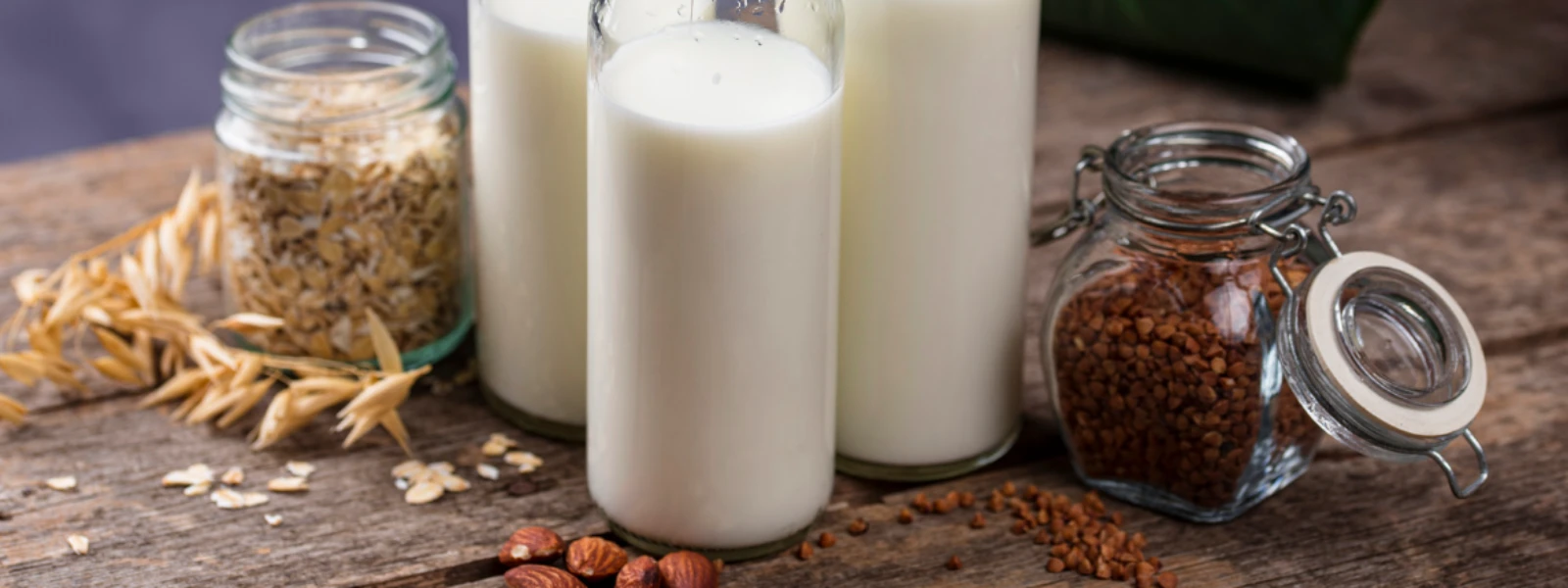


The shift toward plant-based nutrition has transformed how families approach their children's dietary needs. As more parents seek alternatives to traditional dairy products, plant based milk powder has emerged as a convenient, nutritious solution for growing children. This comprehensive guide will help you navigate the diverse world of dairy free milk powder options, ensuring you make an informed choice that supports your child's health and development.
Understanding the nuances of different vegan milk powder varieties, their nutritional profiles, and quality standards can feel overwhelming. This post will equip you with the knowledge to confidently select the best plant based milk powder for your family's unique needs, from toddlers taking their first steps away from formula to school-age children with specific dietary requirements.
Plant based milk powder is created by dehydrating liquid plant milk into a concentrated powder form. This process involves extracting nutrients from various plant sources like oats, almonds, rice, peas, or coconuts, then removing the water content to create a shelf-stable product.
Unlike traditional dairy milk powder, non dairy milk alternative options offer several distinct advantages. They naturally contain no lactose, making them suitable for children with lactose intolerance or dairy sensitivities. Many parents choose lactose free milk powder to avoid digestive discomfort that dairy products can cause in sensitive children.
The environmental impact of plant-based options is significantly lower than dairy production. Plant milk for children requires fewer natural resources and produces fewer greenhouse gas emissions. This makes it an appealing choice for environmentally conscious families.
From a health perspective, many organic plant based milk powder varieties are fortified with essential vitamins and minerals. These additions help ensure children receive adequate nutrition, particularly Calcium, Vitamin D, and Vitamin B12, which are crucial for growing bodies.
Each type of nut milk powder and plant-based option offers unique nutritional benefits and taste profiles. Understanding these differences helps you choose the most suitable option for your child's preferences and dietary needs.
Oat-based options provide excellent digestibility and a naturally creamy texture that many children enjoy. The beta-glucan fiber in oats supports heart health and helps maintain steady blood sugar levels. This makes oat milk powder for kids particularly beneficial for active children who need sustained energy throughout the day.
Almond varieties offer high Vitamin E content and a mild, slightly sweet flavor. However, parents should consider potential nut allergies before introducing almond-based products. The protein content is generally lower than other options, so additional protein sources may be necessary.
Rice-based powders are naturally hypoallergenic and ideal for children with multiple food sensitivities. They provide easily digestible carbohydrates but typically contain less protein than other plant-based alternatives. This option works well for children who struggle with digestive issues.
Pea protein varieties deliver impressive protein content, often matching or exceeding dairy milk. The amino acid profile supports muscle development and growth in active children. Some children may need time to adjust to the slightly earthy taste.
Coconut-based options provide healthy medium-chain triglycerides and natural sweetness. The higher caloric density makes it suitable for children who need additional calories for healthy weight gain.
Did You Know?
Many commercial plant based milk powders are fortified with more Calcium than cow's milk, often providing 30-50% more per serving to support growing bones and teeth.
When selecting plant milk for children, protein content should be a primary consideration. Growing children need adequate protein for muscle development, brain function, and overall growth. Compare protein levels across different vegan milk powder options to ensure your choice meets your child's age-specific requirements.
Vitamin and mineral fortification varies significantly between brands and types. Look for products fortified with Calcium, Vitamin D, and Vitamin B12, as these nutrients are essential for bone health, immune function, and neurological development. Iron and zinc fortification can also be beneficial, particularly for children following plant-based diets.
Sugar content requires careful attention when choosing dairy free milk powder. Many products contain added sugars to improve palatability, but excessive sugar intake can lead to dental problems and energy spikes. Seek options with minimal added sugars or those sweetened with natural alternatives like dates or monk fruit.
Fiber content should be age-appropriate to avoid digestive discomfort. While fiber is beneficial for digestive health, too much can cause bloating or gas in young children. Gradually introduce higher-fiber options to allow your child's digestive system to adjust.
Organic plant based milk powder offers several advantages over conventional options. Organic certification ensures the ingredients are grown without synthetic pesticides, herbicides, or fertilizers. This reduces your child's exposure to potentially harmful chemicals while supporting sustainable farming practices.
Third-party testing for heavy metals, pesticides, and contaminants provides additional safety assurance. Reputable manufacturers voluntarily submit their products for independent testing to verify purity and safety standards.
Manufacturing facility certifications indicate adherence to strict quality control measures. Look for Good Manufacturing Practices (GMP) certification and facilities that follow stringent cleanliness and safety protocols.
Ingredient transparency should be a non-negotiable factor in your decision. The best plant based milk powder products clearly list all ingredients, avoid artificial additives, and provide detailed nutritional information. Minimal processing indicators, such as short ingredient lists and recognizable components, suggest higher quality products.
Different age groups have varying nutritional needs and taste preferences when it comes to milk powder for kids. Toddlers transitioning from breast milk or formula may prefer milder flavors and smoother textures. Start with small amounts mixed into familiar foods to ease the transition.
Preschoolers often enjoy slightly sweeter options and can handle more complex flavors. This age group benefits from consistent daily servings to support rapid growth and development. Aim for 2-3 servings per day, balanced with whole foods and other protein sources.
School-age children may prefer convenience options for packed lunches and after-school snacks. Individual serving packets of plant based milk powder can provide portable nutrition that children can prepare independently.
Preparation techniques vary by age and preference. Younger children may prefer warmer temperatures and creamier consistencies, while older children might enjoy cold preparations or smoothie-style mixtures.
Many fortified plant based milk powders provide comparable or superior nutrition to dairy options. The key is choosing products fortified with essential nutrients like Calcium, Vitamin D, and Vitamin B12. Some plant-based options offer additional benefits like fiber and antioxidants not found in dairy milk.
Yes, appropriately formulated vegan milk powder can be safe for daily consumption by toddlers over 12 months. However, it should complement a varied diet rich in whole foods. Consult your pediatrician before making significant dietary changes, especially for children under two years old.
Watch for symptoms like digestive upset, skin rashes, respiratory issues, or behavioral changes after consumption. Common allergens in plant milk include nuts, soy, and certain grains. Introduce new products gradually and discontinue use if any adverse reactions occur. Consult a healthcare provider for proper allergy testing if needed.
Commercial products typically offer consistent nutritional fortification, longer shelf life, and convenience. Homemade versions allow complete ingredient control but may lack essential nutrients like Calcium and Vitamin B12. Commercial options undergo safety testing and quality control measures that home preparation cannot replicate.
Most plant based milk powders remain fresh for 3-6 months after opening when stored properly in a cool, dry place. Always check the expiration date and look for signs of spoilage like off odors, clumping, or color changes. Proper storage in airtight containers helps maintain freshness and nutritional quality.
Choosing the right plant based milk powder for your family involves balancing nutritional needs, taste preferences, quality standards, and budget considerations. Focus on products that provide adequate protein, essential vitamins and minerals, and minimal added sugars. Prioritize organic certification and third-party testing when possible to ensure safety and quality. Remember that the best choice is one that your child will consistently consume as part of a balanced diet. Take time to try different options and consult with healthcare providers if you have specific nutritional concerns. With careful consideration and gradual introduction, plant based milk powder can become a valuable addition to your child's healthy eating routine.



