Kids Eye Health: Essential Guide to Strong Vision
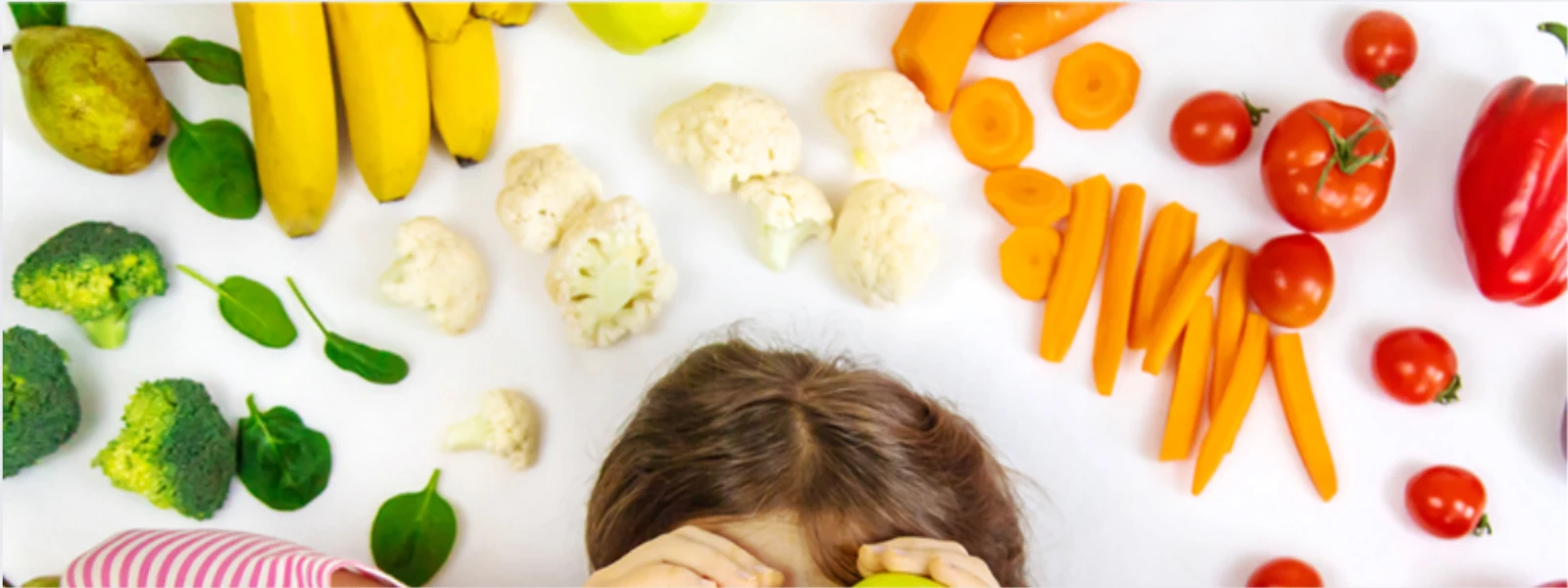


Every parent wants their child to have the best possible vision throughout their life. Strong eyesight isn't just about seeing clearly today—it's about building a foundation for healthy eyes that will serve your child well into adulthood. Understanding what helps in strengthening kids eyesight can make a significant difference in your child's visual development and overall quality of life.
Children's eyes are constantly developing, making the early years crucial for establishing good vision habits and providing proper nutrition. From the foods they eat to the activities they engage in, every choice impacts their eye health. This comprehensive guide will walk you through proven strategies to support your child's vision naturally, helping you make informed decisions about their eye care.
Children's vision develops gradually from birth through adolescence. Unlike adults, whose vision is fully mature, kids' eyes are still growing and adapting. This ongoing development means that what you do now can significantly impact their future eye health.
During the first few months of life, babies can only see objects clearly at close range. By age two, most children develop depth perception and can track moving objects smoothly. The critical period for vision development continues until around age eight, when the visual system reaches full maturity.
Understanding these developmental stages helps parents recognize when intervention might be needed. Kids vision care during these formative years focuses on providing the right nutrients, protecting developing eyes from strain, and ensuring any vision problems are caught early.
The eye's ability to focus, track objects, and process visual information improves throughout childhood. This is why maintaining healthy eyes for kids requires consistent attention to nutrition, lifestyle factors, and regular monitoring for any changes in vision quality.
Nutrition plays a fundamental role in eye development and maintenance. The right foods for kids eyesight provide essential nutrients that support retinal health, protect against oxidative damage, and ensure proper visual function.
Vitamin A is crucial for maintaining healthy vision, particularly night vision. This vitamin helps the retina function properly and prevents night blindness. Children need adequate Vitamin A for their developing visual systems.
Excellent sources include orange vegetables like carrots, sweet potatoes, and butternut squash. Dark leafy greens such as spinach and kale also provide beta-carotene, which the body converts to Vitamin A. For children ages 1-3, aim for about 300 micrograms daily, while children 4-8 need approximately 400 micrograms.
Omega-3 fatty acids, particularly DHA, are essential for retinal development and function. These healthy fats support the structural integrity of eye cells and help maintain proper tear production.
Fish like salmon, sardines, and mackerel provide excellent sources of omega-3s. For families preferring plant-based options, walnuts, flaxseeds, and chia seeds offer beneficial omega-3 fatty acids that support children's eye nutrition.
Antioxidants protect the eyes from damage caused by free radicals and environmental stressors. Colorful fruits and vegetables provide a variety of protective compounds that support long-term eye health.
Berries, citrus fruits, and brightly colored vegetables contain Vitamin C and other antioxidants that protect the delicate structures of the eye. These foods also provide flavonoids that support blood vessel health in the eyes.
Did You Know?
Children who eat five or more servings of colorful fruits and vegetables daily have significantly better eye health markers compared to those with limited produce intake. The variety of antioxidants found in different colored foods provides comprehensive protection for developing eyes.
Several vitamins for eye health play crucial roles in maintaining and strengthening children's vision. Understanding these nutrients helps parents make informed choices about their child's diet and supplementation needs.
Vitamin A supports multiple aspects of eye health, from maintaining the cornea to enabling night vision. Children need consistent intake of this vitamin for proper retinal function and to prevent vision problems.
Natural food sources are generally preferred over supplements for children. However, in cases where dietary intake is insufficient, appropriate supplementation under professional guidance may be beneficial.
These vitamins work together to protect eye tissues from oxidative stress. Vitamin C supports the health of blood vessels in the eyes, while Vitamin E protects cell membranes from damage.
Citrus fruits, berries, and leafy greens provide ample Vitamin C, while nuts, seeds, and vegetable oils offer Vitamin E. These nutrients are easily obtained through a balanced diet rich in whole foods.
These carotenoids accumulate in the retina and act as natural filters for harmful blue light. They're particularly important in today's digital world where children are exposed to screens from an early age.
Leafy greens, corn, and egg yolks provide these protective compounds. Including these foods regularly in your child's diet helps build up their natural defense against blue light exposure.
Eye exercises for kids can help improve focus, coordination, and visual tracking abilities. These activities are particularly beneficial for children who spend significant time on close-up work or screen-based activities.
Simple games like following a moving object with their eyes or focusing on objects at different distances can help young children develop proper eye coordination. These exercises should be fun and engaging to maintain the child's interest.
Playing catch, blowing bubbles, or using finger puppets are natural ways to encourage eye movement and focusing skills. These activities improve child vision naturally while providing entertainment.
The 20-20-20 rule suggests taking a 20-second break every 20 minutes to look at something 20 feet away. This simple practice helps reduce eye strain and maintains focusing flexibility.
Incorporating movement breaks, outdoor time, and distance viewing into your child's daily routine supports healthy visual development and prevents the negative effects of prolonged near work.
Early detection of vision problems is crucial for effective treatment and preventing long-term complications. Many signs of vision problems in children are subtle and may be mistaken for behavioral issues or learning difficulties.
In toddlers and preschoolers, watch for excessive eye rubbing, squinting, or covering one eye. Children may also show reluctance to engage in activities requiring good vision or have difficulty with hand-eye coordination tasks.
School-age children might complain of headaches, have trouble reading, or show declining academic performance. They may also exhibit behavioral changes like increased irritability or difficulty concentrating on visual tasks.
The first comprehensive eye exam should occur around age three, with follow-up exams before starting school and regularly thereafter. Children with family history of eye problems may need earlier or more frequent evaluations.
Don't wait for obvious symptoms to appear. Many vision problems develop gradually and may not be immediately apparent to parents or even the children themselves.
Modern children face unique challenges to their eye health due to increased screen time and reduced outdoor activities. Protecting kids eyesight requires adapting traditional eye care practices to address contemporary lifestyle factors.
Age-appropriate screen time limits help prevent digital eye strain and support healthy visual development. The American Academy of Pediatrics recommends avoiding screens for children under 18 months, except for video chatting, and limiting screen time for older children.
Creating screen-free zones and times, such as during meals and before bedtime, helps establish healthy boundaries. When screens are used, ensure proper distance, good lighting, and regular breaks.
Spending time outdoors provides natural light exposure that supports healthy eye development. Research shows that children who spend more time outside have lower rates of myopia (nearsightedness).
Aim for at least one to two hours of outdoor time daily when possible. This doesn't require structured activities—simply playing outside, walking, or eating meals outdoors can provide benefits for eye health.
Children should have their first comprehensive eye exam around age three, even if no vision problems are apparent. Early detection allows for timely intervention if needed and establishes a baseline for future comparisons.
Yes, nutrition significantly impacts eye health and development. Deficiencies in key nutrients like Vitamin A, omega-3 fatty acids, and antioxidants can lead to vision problems and impair normal eye development in children.
Eye exercises can help improve focusing abilities, eye coordination, and reduce eye strain, but they cannot correct refractive errors like nearsightedness. They're most beneficial as part of a comprehensive approach to eye health that includes proper nutrition and regular eye care.
Screen time recommendations vary by age, but generally, children under two should avoid screens except for video chatting, while older children benefit from limited, high-quality content with regular breaks and outdoor time to balance screen exposure.
Focus on colorful fruits and vegetables, particularly those rich in Vitamin A like carrots and sweet potatoes, leafy greens for lutein and zeaxanthin, and omega-3 rich foods like fish and walnuts. A varied, nutrient-dense diet provides the best foundation for healthy eyes.
Supporting your child's eye health requires a comprehensive approach that combines proper nutrition, healthy lifestyle habits, and regular professional care. By understanding what helps in strengthening kids eyesight and implementing these strategies consistently, you're investing in your child's long-term visual health and overall well-being. Remember that small, consistent efforts in providing eye-healthy foods, encouraging outdoor play, managing screen time, and staying alert to vision changes can make a significant difference in your child's visual development. Consider exploring nutritional support options that complement a healthy diet and lifestyle to give your child the best foundation for lifelong healthy vision.




Someone sent you
Powered by ReferRush


