Kids Immunity 101: Everything Parents Must Know


Every parent watches their child battle through countless sniffles, coughs, and fevers, wondering if there's more they could do to protect their little one's health. Research shows that children experience 6-8 respiratory infections annually, making immune support a top priority for families worldwide. Understanding how to boost your child's immune system naturally can transform these challenging moments into opportunities for building lifelong wellness habits.
This comprehensive guide explores evidence-based strategies for strengthening kids' immunity through nutrition, lifestyle choices, and natural approaches. You'll discover the most effective immunity boosting foods for kids, learn when supplements might be beneficial, and understand how to create sustainable healthy habits that support your child's developing immune system for years to come.
A child's immune system operates quite differently from an adult's, requiring patience and understanding from parents. During the first few years of life, children's immune systems are still learning to recognize and fight off various pathogens. This learning process explains why toddlers and preschoolers seem to catch every bug that comes their way.
The immune system reaches about 80% of adult strength by age 8, but continues developing well into the teenage years. This gradual maturation means that frequent illnesses in young children are actually a normal part of immune system education, not necessarily a sign of weakness.
Understanding these developmental stages helps parents set realistic expectations and provide appropriate immune support for children at different ages. Newborns rely heavily on antibodies passed from their mothers, which gradually decrease over the first six months. This is when introducing immunity booster kids strategies becomes particularly important.
Between ages 2-5, children experience peak exposure to new pathogens, especially when starting daycare or school. Their immune systems work overtime to catalog new threats and build lasting protection. By school age, most children have developed stronger immune responses, though they still benefit from consistent immune support through proper nutrition and lifestyle habits.
Quality sleep serves as one of the most powerful natural immunity boosters for kids. During sleep, the body produces infection-fighting cells and antibodies. Children aged 3-5 need 10-13 hours of sleep, while school-age kids require 9-11 hours nightly. Establishing consistent bedtime routines significantly impacts immune function.
Regular physical activity also plays a crucial role in immune support for children. Age-appropriate exercise increases circulation, helping immune cells move throughout the body more effectively. Even 30 minutes of active play daily can boost immune function while supporting overall health and development.
Chronic stress weakens immune function in children just as it does in adults. Teaching kids simple stress management techniques like deep breathing, mindfulness activities, or creative expression helps maintain strong immune responses. Creating calm, supportive home environments where children feel secure contributes significantly to their immune health.
Did You Know?
Children who practice regular stress-reduction activities show 23% fewer sick days compared to those who don't, according to research published in pediatric health journals. Simple techniques like bedtime stories, gentle music, or quiet time can make a measurable difference in immune function.
Citrus fruits top the list of best vitamins for kids immune system support, providing essential Vitamin C that helps produce white blood cells. Oranges, lemons, and grapefruits offer natural immune support, but many children prefer sweeter options like strawberries, kiwi, or bell peppers, which contain even higher Vitamin C levels.
Creative presentation makes these foods more appealing to young eaters. Rainbow fruit salads, frozen fruit popsicles, or colorful smoothies can transform immune-supporting nutrition into exciting treats that children actually want to eat.
The gut houses approximately 70% of the immune system, making digestive health crucial for overall immunity. Yogurt with live cultures, kefir, and fermented foods like mild kimchi or sauerkraut support beneficial bacteria that strengthen immune responses.
For picky eaters, try incorporating probiotics through smoothies, frozen yogurt treats, or homemade yogurt parfaits with favorite fruits. These approaches make gut-healthy foods more appealing while providing essential immune system boosters for toddlers and older children alike.
Indian cuisine offers remarkable natural immunity boosters for kids that have been used for generations. Amla (Indian gooseberry) contains 20 times more Vitamin C than oranges and can be incorporated into chutneys, juices, or candied treats that children enjoy.
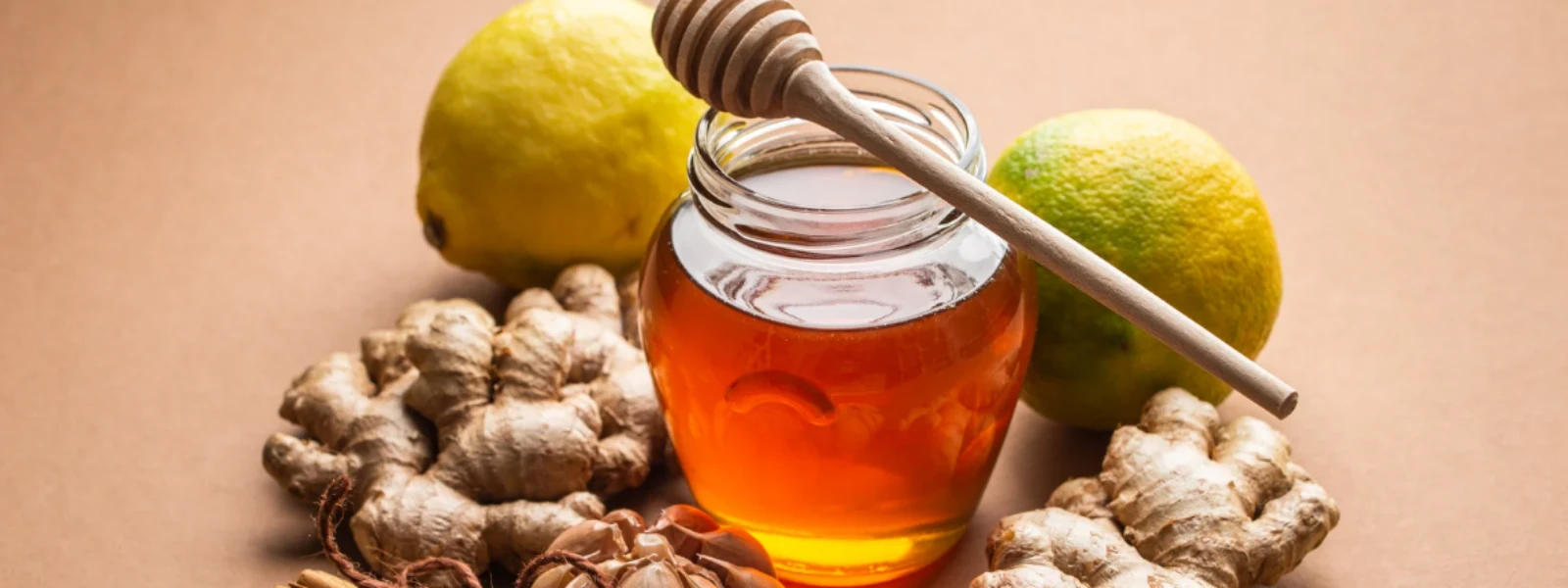
Turmeric, with its powerful anti-inflammatory properties, works wonderfully in golden milk recipes designed for kids. Mixing turmeric with warm milk, a touch of honey (for children over 1 year), and gentle spices creates a soothing bedtime drink that supports immune function while promoting better sleep.
Vitamin D plays a critical role in immune regulation, yet many children don't get adequate amounts, especially during winter months. Safe sun exposure of 10-15 minutes daily helps the body produce Vitamin D naturally, while foods like fortified milk, eggs, and fatty fish provide additional sources.
Zinc supports immune cell production and wound healing, making it essential for growing children. Natural sources include lean meats, beans, nuts (age-appropriate), and whole grains. Iron prevents immune-weakening anemia, found in leafy greens, lean proteins, and fortified cereals.
While whole foods provide the best nutrition, some children may benefit from targeted supplementation. Picky eaters, children with restricted diets, or those experiencing frequent illnesses might need additional immune support through carefully chosen supplements.
Always consult healthcare providers before starting any supplement regimen. Quality matters significantly in children's vitamins, so look for third-party tested products specifically formulated for young immune systems. Avoid adult formulations, which may contain inappropriate dosages for children.
Successful immune support for children requires consistent, sustainable habits rather than dramatic short-term changes. Start with small, achievable goals like adding one new immune-supporting food weekly or establishing a regular bedtime routine.
Make healthy choices fun and engaging. Let children help prepare immunity boosting foods, create colorful meal presentations, or turn handwashing into a game. When children participate in creating healthy habits, they're more likely to maintain them long-term.
Different seasons present unique immune challenges for children. Back-to-school periods require extra attention to sleep schedules and stress management. Winter months call for increased focus on Vitamin D and indoor air quality. Spring allergies may need specific natural support approaches.
Adapting immune support strategies seasonally helps children maintain strong defenses year-round. This might include increasing certain immunity boosting foods for kids during cold season or adjusting activity levels based on weather and school schedules.
Building strong immunity takes time and consistency rather than quick fixes. Most children show improved resistance to illness within 4-6 weeks of implementing comprehensive immune support strategies including better nutrition, adequate sleep, and stress reduction. Focus on sustainable lifestyle changes rather than expecting immediate results.
Vitamin C-rich fruits like oranges and strawberries, probiotic foods like yogurt, and anti-inflammatory options like turmeric provide excellent immune support. However, variety matters more than any single superfood. A colorful diet including fruits, vegetables, lean proteins, and whole grains offers the best immune system boosters for toddlers and older children.
Quality children's supplements can be safe when used appropriately under healthcare guidance. However, whole foods should always be the primary source of immune-supporting nutrients. Avoid adult formulations, mega-doses, or unregulated products. Always consult your pediatrician before starting any supplement regimen for your child.
Frequent infections lasting longer than typical, slow wound healing, persistent fatigue, or recurring digestive issues may indicate immune system challenges. However, remember that 6-8 minor illnesses annually are normal for children. Consult healthcare providers if you notice patterns of severe or unusually frequent illness.
Creative presentation, involving children in food preparation, and gradual introduction of new foods helps picky eaters accept immune-supporting nutrition. Try smoothies, colorful fruit arrangements, or hiding vegetables in favorite dishes. Patience and persistence work better than forcing foods, which can create negative associations with healthy eating.
Supporting your child's immune system naturally requires a comprehensive approach combining nutritious foods, healthy lifestyle habits, and patience with their developing immunity. Focus on creating sustainable routines that include immunity boosting foods for kids, adequate sleep, regular physical activity, and stress management techniques appropriate for their age.
Remember that building strong immunity is a gradual process, not a quick fix. By implementing these evidence-based strategies consistently, you're giving your child the foundation for lifelong wellness and resilience. Every small step toward better nutrition and healthier habits contributes to stronger immune function and overall well-being for your growing child.


Someone sent you
Powered by ReferRush


