7 Best Creatine Sources for Vegetarian Athletes
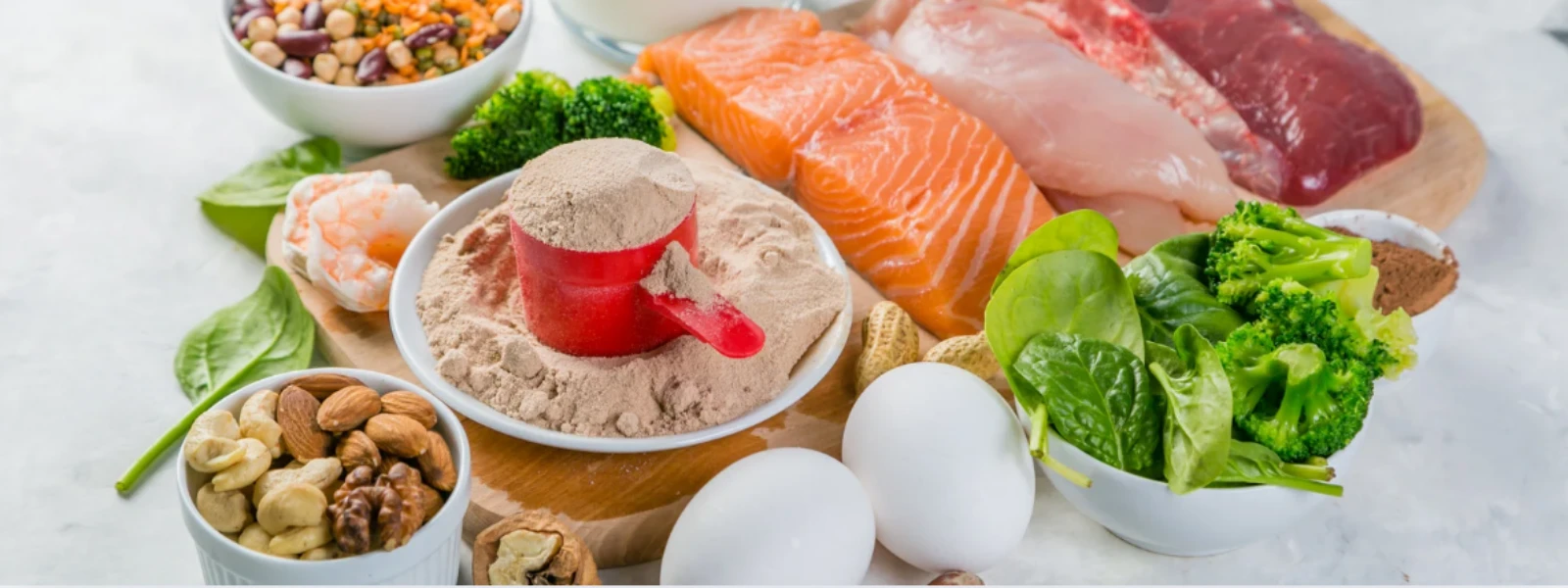


Vegetarian athletes often face a unique challenge when it comes to optimizing their performance. While plant-based diets offer numerous health benefits, they typically provide significantly lower levels of creatine compared to omnivorous diets. Research shows that vegetarians have 20-25% lower muscle creatine stores than their meat-eating counterparts, which can impact explosive power, strength, and recovery. This gap becomes particularly important for athletes who rely on high-intensity, short-duration activities where creatine plays a crucial role in energy production.
Understanding the best creatine sources and supplementation strategies can help vegetarian athletes bridge this performance gap effectively. This comprehensive guide explores seven evidence-based creatine options specifically beneficial for plant-based athletes, along with practical implementation strategies to maximize athletic performance while maintaining dietary preferences.
Creatine serves as a rapid energy source for high-intensity activities lasting up to 10 seconds. It works by regenerating adenosine triphosphate (ATP), the primary energy currency of cells, particularly in muscle tissue. During explosive movements like sprinting, weightlifting, or jumping, your muscles rely heavily on the phosphocreatine system for immediate energy.
For vegetarian athletes, this energy system often operates at a disadvantage. Since creatine is primarily found in animal products like red meat and fish, vegetarian diets naturally contain minimal amounts. The body can synthesize some creatine from amino acids like arginine, glycine, and methionine, but this endogenous production rarely meets the demands of intense training.
Studies consistently demonstrate that vegetarian athletes show greater improvements in strength, power, and muscle mass when supplementing with creatine compared to omnivorous athletes. This enhanced response occurs because vegetarians start with lower baseline creatine levels, creating more room for improvement through supplementation.
Did You Know?
Vegetarian athletes typically see a 20-30% greater increase in muscle creatine levels from supplementation compared to meat-eaters, leading to more pronounced performance improvements in explosive activities.
Creatine monohydrate remains the gold standard for supplementation, with over 500 peer-reviewed studies supporting its safety and efficacy. This form consists of creatine bound to a water molecule, creating a stable, cost-effective supplement that's naturally vegetarian-friendly since it's synthetically produced.
The manufacturing process involves combining sarcosine and cyanamide under controlled conditions, resulting in pure creatine without any animal-derived ingredients. Most reputable brands use this synthetic production method, making creatine monohydrate suitable for vegetarians and vegans alike.
For vegetarian athletes, creatine monohydrate offers excellent value with proven results. The typical dosage ranges from 3-5 grams daily for maintenance, with loading phases involving 20 grams daily for 5-7 days to rapidly saturate muscle stores.
Micronized creatine represents a refined version of creatine monohydrate, processed into smaller particles for improved solubility and reduced digestive discomfort. This form dissolves more completely in liquids, potentially enhancing absorption and reducing the gritty texture some users experience with standard creatine monohydrate.
For vegetarian athletes who experience digestive issues with regular creatine, micronized versions often provide a more comfortable supplementation experience. The enhanced solubility may also improve uptake efficiency, though the performance benefits remain comparable to standard monohydrate.
Creatine hydrochloride (HCL) offers enhanced solubility and potentially better absorption compared to monohydrate forms. This version requires smaller doses, typically 1-2 grams daily, due to improved bioavailability. The enhanced solubility reduces water retention concerns and may minimize digestive discomfort.
While creatine HCL costs more per serving than monohydrate, the reduced dosage requirements can make it cost-competitive. For vegetarian athletes sensitive to water retention or those preferring smaller supplement doses, creatine HCL presents an attractive alternative.
Buffered creatine, often marketed as Kre-Alkalyn, maintains a higher pH level to prevent conversion to creatinine before reaching muscle tissue. This stability theoretically improves effectiveness and reduces waste, though research comparing buffered creatine to monohydrate shows mixed results.
Some vegetarian athletes report reduced digestive issues with buffered forms, making it worth considering for those who experience discomfort with standard creatine. The dosage typically matches creatine monohydrate recommendations.
Creatine citrate combines creatine with citric acid, potentially offering additional benefits from the citrate component. Citrate may enhance creatine solubility and provide mild alkalizing effects that could support recovery and reduce exercise-induced acidity.
While research specifically on creatine citrate remains limited, the combination provides a viable option for vegetarian athletes seeking variety in their supplementation approach. The dosage requirements typically align with other creatine forms.
Liquid creatine supplements offer convenience for athletes with busy schedules or those who prefer ready-to-drink options. However, creatine's stability in liquid form presents challenges, as it can degrade into creatinine over time, reducing effectiveness.
For vegetarian athletes considering liquid creatine, choose products with recent manufacturing dates and proper storage. While convenient, powder forms generally offer better stability and value.
Some supplements combine multiple creatine forms with additional ingredients like beta-alanine, taurine, or electrolytes. These blends aim to provide comprehensive performance support, though they typically cost more than single-ingredient products.
For vegetarian athletes seeking all-in-one solutions, quality blends can simplify supplementation routines. However, ensure all ingredients align with dietary preferences and performance goals.
Successful creatine supplementation involves strategic timing, dosing, and combination with other nutrients. Vegetarian athletes often benefit from loading phases due to their lower baseline creatine levels. The traditional loading protocol involves 20 grams daily, divided into four 5-gram doses, for 5-7 days, followed by 3-5 grams daily for maintenance.
Alternative approaches include gradual loading with 3-5 grams daily for 3-4 weeks to achieve similar muscle saturation without potential digestive discomfort. This method takes longer but may suit athletes sensitive to higher doses.
Timing creatine intake around workouts can optimize uptake. Consuming creatine with carbohydrates enhances muscle uptake through insulin-mediated transport. Post-workout consumption with a carbohydrate-rich meal or shake maximizes this effect.
For female vegetarian athletes, research suggests similar benefits to males, though some studies indicate slightly different response patterns. The same dosing protocols apply, with adjustments based on body weight if desired.
Vegetarian athletes typically experience more pronounced benefits from creatine supplementation compared to omnivorous athletes. These improvements include increased strength, power output, muscle mass, and enhanced recovery between training sessions.
Strength and power improvements often become noticeable within 1-2 weeks of consistent supplementation, with maximal benefits typically achieved after 4-6 weeks. Muscle mass gains require longer timeframes, usually becoming apparent after 6-8 weeks of combined creatine supplementation and resistance training.
Recovery benefits may appear sooner, with many athletes reporting reduced fatigue between sets and training sessions within the first week of supplementation. These recovery improvements can enhance training quality and volume, contributing to long-term performance gains.
Sport-specific benefits vary based on energy system demands. Activities requiring explosive power, such as weightlifting, sprinting, and jumping, show the most dramatic improvements. Endurance activities may see modest benefits, particularly in repeated high-intensity efforts.
Creatine supplementation demonstrates an excellent safety profile, with decades of research supporting long-term use. Common concerns about kidney function, dehydration, and cramping lack scientific support when creatine is used appropriately by healthy individuals.
Vegetarian athletes should prioritize third-party tested products to ensure purity and potency. Look for certifications from organizations like NSF International or Informed Sport, which verify product quality and screen for prohibited substances.
Mild side effects may include initial water retention and occasional digestive discomfort during loading phases. These effects typically subside as the body adapts to supplementation. Staying well-hydrated helps minimize any discomfort.
Quality considerations include choosing reputable manufacturers with transparent labeling and avoiding products with unnecessary additives or fillers. Pure creatine monohydrate or other single-ingredient forms often provide the best value and effectiveness.
Vegetarian athletes typically benefit from 3-5 grams of creatine daily for maintenance, with an optional loading phase of 20 grams daily for 5-7 days to rapidly increase muscle stores. The loading phase can be particularly beneficial for vegetarians due to their lower baseline creatine levels.
Yes, creatine monohydrate is completely suitable for vegetarians and vegans. It's synthetically produced by combining sarcosine and cyanamide, containing no animal-derived ingredients. Most reputable brands use this synthetic manufacturing process.
Vegetarian athletes often notice improvements in strength and power within 1-2 weeks of consistent supplementation. Maximum benefits typically occur after 4-6 weeks, with muscle mass gains becoming apparent after 6-8 weeks of combined supplementation and training.
Vegetarian diets provide minimal creatine since it's primarily found in animal products. While the body can synthesize some creatine from amino acids, this production rarely meets the demands of intense training. Supplementation is typically necessary for optimal performance.
Post-workout consumption with carbohydrates optimizes creatine uptake through enhanced insulin response. However, consistent daily intake matters more than precise timing. Taking creatine with meals can improve absorption and reduce potential digestive discomfort.
Vegetarian athletes have multiple excellent options for creatine supplementation, with creatine monohydrate remaining the most researched and cost-effective choice. The enhanced response that vegetarian athletes typically experience makes creatine supplementation particularly valuable for optimizing performance while maintaining plant-based dietary preferences. Whether choosing traditional monohydrate, micronized forms, or alternative versions like creatine HCL, consistent supplementation can significantly bridge the performance gap associated with lower baseline creatine levels. Success depends on choosing quality products, following appropriate dosing protocols, and maintaining consistent intake over time. For vegetarian athletes serious about maximizing their performance potential, creatine supplementation represents one of the most evidence-based and effective strategies available.




Someone sent you
Powered by ReferRush


