7 Vegan Protein Supplements That Will Change Your Fitness Game
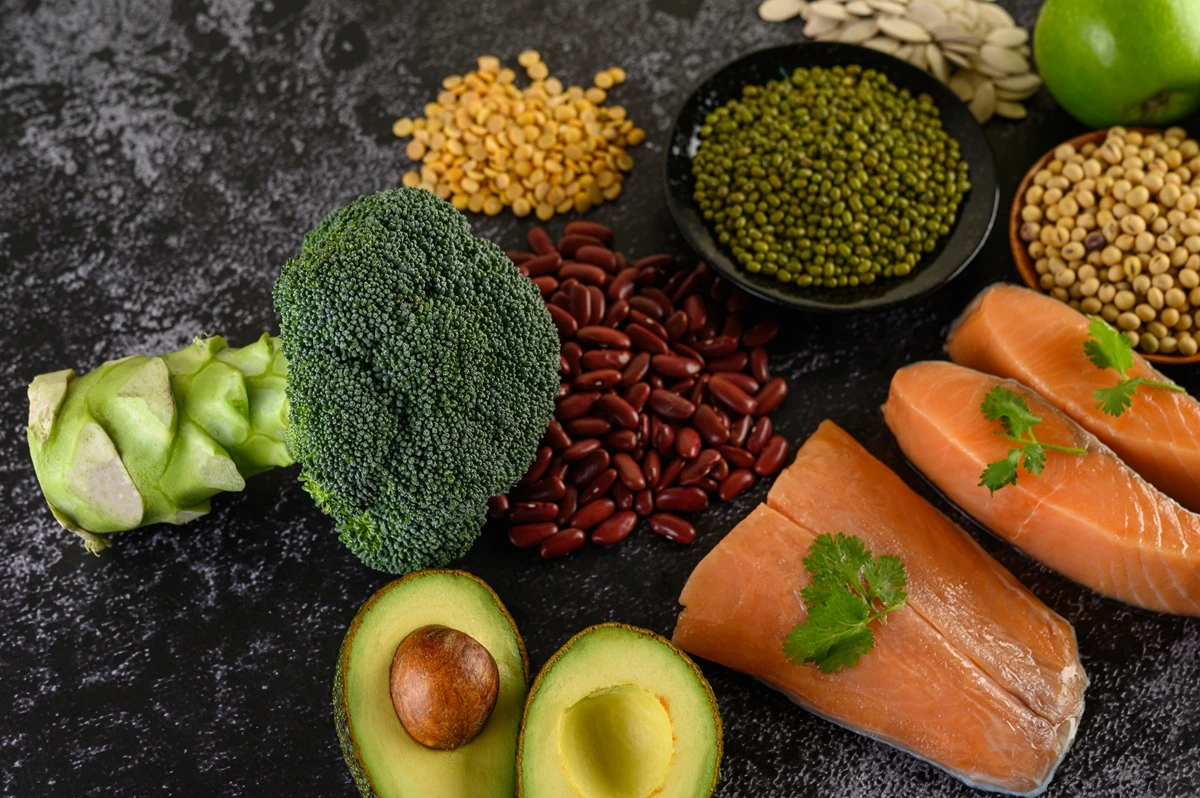


The fitness world is witnessing a remarkable shift toward plant-based nutrition. More athletes and fitness enthusiasts are discovering that vegan protein can fuel their workouts just as effectively as traditional animal-based options. Gone are the days when building muscle on a plant-based diet seemed impossible.
Protein plays a crucial role in muscle repair, growth, and overall athletic performance. Whether you're lifting weights, running marathons, or practicing yoga, your muscles need adequate protein to recover and strengthen. The good news? Plant-based protein supplements now offer athletes powerful alternatives that support their fitness goals while aligning with their dietary choices.
This guide explores seven game-changing vegan protein supplements that can transform your fitness journey. You'll discover how these plant-based powerhouses can enhance your performance, support muscle growth, and help you maintain a high protein vegan diet without compromise.
Plant-based protein offers unique advantages for athletes and fitness enthusiasts. Unlike some animal proteins, many vegan options are naturally alkaline, which may help reduce inflammation and support faster recovery. These proteins also come packed with additional nutrients like fiber, antioxidants, and essential minerals that support overall health.
One common misconception is that plant proteins are incomplete or inferior for muscle building. Research shows this simply isn't true. Many vegan protein supplements provide all essential amino acids your body needs. When you combine different plant protein sources, you create a complete amino acid profile that rivals any animal-based protein.
Vegan protein supplements play a vital role in supporting a high protein vegan diet. They offer convenience and concentration that's often difficult to achieve through whole foods alone. For busy athletes juggling training schedules and daily life, these supplements provide an efficient way to meet their protein requirements.
Several key factors distinguish exceptional vegan protein supplements from mediocre ones. First, look for products with superior ingredients, highly absorbable formats, palatable flavors. These characteristics ensure you get maximum benefit from every serving.
The nutritional profile matters significantly. The best vegan protein supplements provide 20-30 grams of protein per serving with a complete amino acid composition. Pay special attention to branched-chain amino acids (BCAAs), which are crucial for muscle protein synthesis and recovery.
Digestibility and absorption rates are equally important. Your body needs to efficiently process and utilize the protein you consume. High-quality vegan proteins undergo processing methods that enhance bioavailability, ensuring your muscles receive the nutrients they need when they need them.
Pea protein stands out as one of the most effective plant-based proteins for muscle building. It contains high levels of BCAAs, particularly leucine, which triggers muscle protein synthesis. Studies show pea protein can promote muscle growth just as effectively as whey protein when consumed consistently.
Athletes particularly benefit from pea protein's rapid absorption rate. Your muscles can quickly access the amino acids they need for repair and growth after intense workouts. This makes pea protein an excellent choice for post-workout recovery shakes.
The best pea protein supplements undergo careful processing to remove any chalky texture while preserving nutritional value. Look for products that combine pea protein with complementary plant proteins for enhanced amino acid profiles.
Hemp protein offers a unique nutritional profile that extends beyond just protein content. It naturally contains omega-3 and omega-6 fatty acids in an ideal ratio, supporting reduced inflammation and enhanced recovery. This makes hemp protein particularly valuable for endurance athletes and those engaged in high-intensity training.
As a complete protein, hemp contains all nine essential amino acids your body cannot produce on its own. This completeness makes it an excellent foundation for any vegan protein routine. The fiber content in hemp protein also supports digestive health and helps maintain steady energy levels.
Top hemp protein supplements maintain the natural nutrient density while improving palatability. The earthy flavor pairs well with chocolate or vanilla, making it versatile for various shake recipes.
Brown rice protein serves as an excellent choice for athletes with food sensitivities or allergies. It's naturally hypoallergenic and easily digestible, making it suitable for those who experience digestive issues with other protein sources.
While brown rice protein is lower in lysine compared to other plant proteins, it's rich in cysteine and methionine. When combined with pea protein, it creates a perfectly balanced amino acid profile. This combination strategy is why many successful vegan protein supplements blend these two sources.
The versatility of brown rice protein makes it ideal for various applications. It blends smoothly into shakes, can be mixed into oatmeal, or incorporated into baking recipes for protein-rich snacks.
Did You Know?
Plant-based protein supplements, when combined with resistance training, can produce similar gains in muscle mass and strength compared to whey protein. Research published in sports nutrition journals consistently shows that vegan athletes can build just as much muscle as their omnivorous counterparts when they consume adequate amounts of quality plant proteins.
Soy protein has faced unwarranted controversy in recent years, but scientific evidence supports its effectiveness for muscle building and overall health. Soy protein isolate provides one of the highest quality plant-based proteins available, with a complete amino acid profile that closely matches animal proteins.
The benefits of soy protein extend beyond muscle growth. Research indicates it may support cardiovascular health and provide antioxidant benefits. For athletes, soy protein offers rapid absorption and high bioavailability, making it excellent for both pre and post-workout nutrition.
Modern soy protein isolates undergo careful processing to remove any beany taste while concentrating the protein content. Look for non-GMO options from reputable sources to ensure quality and purity.
Pumpkin seed protein brings unique nutritional benefits to the vegan protein landscape. It's naturally rich in minerals like magnesium, zinc, and iron, which are crucial for athletic performance and recovery. These minerals support everything from energy metabolism to immune function.
Athletes often overlook the importance of mineral intake, focusing solely on macronutrients. Pumpkin seed protein addresses this gap by providing protein alongside essential minerals that support optimal performance. The zinc content is particularly beneficial for testosterone production and muscle recovery.
While pumpkin seed protein may have a slightly lower protein content per serving compared to pea or rice protein, its mineral density makes it a valuable addition to any athlete's supplement routine.
Multi-source vegan protein blends represent the pinnacle of plant-based protein supplementation. By combining different protein sources like pea, rice, hemp, and seeds, these blends create optimal amino acid profiles that rival or exceed animal proteins.
The advantage of protein blends extends beyond amino acid completeness. Different plant proteins have varying absorption rates, providing both immediate and sustained amino acid delivery to your muscles. This creates an ideal environment for muscle growth and recovery.
Top-rated vegan protein blends focus on ingredient synergy, combining proteins that complement each other's strengths while masking any individual weaknesses. The result is a smooth, palatable supplement that delivers comprehensive nutrition.
Algae protein represents the future of sustainable nutrition. This innovative protein source offers exceptional nutritional density with minimal environmental impact. Algae naturally contains all essential amino acids and provides additional nutrients like chlorophyll and antioxidants.
The bioavailability of algae protein is remarkably high, meaning your body can efficiently utilize the protein for muscle building and recovery. This efficiency makes algae protein particularly valuable for athletes looking to maximize their nutritional intake.
Environmental consciousness drives many fitness enthusiasts toward algae protein. Its production requires significantly less water and land compared to traditional protein sources, making it an eco-friendly choice for sustainable athletes.
Strategic timing of protein intake can significantly impact your results. Consider consuming 15-20 grams of vegan protein 30-60 minutes before workouts to provide your muscles with readily available amino acids during training. This pre-workout protein strategy can help reduce muscle breakdown and improve performance.
Post-workout protein consumption is crucial for recovery and muscle growth. Aim to consume 25-30 grams of high-quality vegan protein within 30 minutes after training. This timing window, often called the anabolic window, optimizes muscle protein synthesis and recovery.
For busy athletes, vegan protein supplements can serve as convenient meal replacements. Blend your protein powder with fruits, vegetables, and healthy fats to create nutritionally complete meals that support your training goals while fitting into hectic schedules.
Proper dosage varies based on your body weight, training intensity, and overall goals. Most athletes benefit from 1.2 to 2.0 grams of protein per kilogram of body weight daily. Distribute this intake across multiple meals and snacks for optimal absorption and utilization.
Combining vegan protein with other plant-based nutrients enhances its effectiveness. Consider pairing your protein shakes with complex carbohydrates for energy and healthy fats for hormone production. Adding ingredients like spinach, berries, or nut butter creates nutritionally dense meals that support overall health.
Tailor your protein intake to match your specific fitness goals. Endurance athletes may benefit from slightly lower protein intake with emphasis on carbohydrates, while strength athletes typically require higher protein amounts to support muscle growth and recovery.
Taste and texture often present initial challenges when switching to vegan protein supplements. Start by experimenting with different flavors and brands to find options that appeal to your palate. Many athletes find that blending protein powder with frozen fruits, nut butter, or plant milk significantly improves taste and texture.
Digestive issues can occur when first introducing vegan protein supplements, particularly if you're transitioning from whey protein. Start with smaller servings and gradually increase intake as your digestive system adapts. Choosing easily digestible options like pea or rice protein can minimize discomfort.
Ensuring complete nutrition on a vegan diet requires attention to various nutrients beyond protein. Consider supplementing with Vitamin b12, iron, and omega-3 fatty acids to support optimal health and performance. A well-planned vegan diet with quality supplements can provide all the nutrients athletes need for peak performance.
Yes, vegan protein supplements can be just as effective as whey protein for muscle building when properly formulated and consumed in adequate amounts. Many plant-based proteins, especially pea and rice protein blends, have amino acid profiles comparable to whey protein.
The protein requirements for vegan athletes are similar to those of non-vegan athletes. Generally, athletes should aim for 1.2 to 2.0 grams of protein per kilogram of body weight daily, depending on their specific sport and training intensity.
While some people may experience digestive discomfort when first introducing vegan protein supplements, this is often temporary. Choosing easily digestible options like pea or rice protein, starting with smaller servings, and gradually increasing intake can help minimize digestive issues.
Yes, several vegan protein supplements are complete proteins, containing all nine essential amino acids. These include soy protein, hemp protein, and certain protein blends specifically formulated to provide a complete amino acid profile.
To choose the best vegan protein supplement, consider factors such as your specific fitness goals, any dietary restrictions, taste preferences, and digestibility. Look for supplements with a complete amino acid profile, minimal additives, and third-party testing for quality assurance.
Vegan protein supplements have revolutionized the fitness industry, providing plant-based athletes with powerful tools to enhance their performance and recovery. From pea protein's muscle-building prowess to the sustainable benefits of algae protein, there's a vegan option to suit every athlete's needs. By incorporating these seven game-changing supplements into your routine and following expert guidance, you can optimize your fitness journey while adhering to a plant-based lifestyle. Remember, the key to success lies in choosing high-quality supplements, maintaining a balanced diet, and consistently challenging yourself in your workouts. Embrace the power of plant-based nutrition and discover how these innovative supplements can transform your athletic potential.




Someone sent you
Powered by ReferRush


