9 Surprising Tofu Protein Facts You Need to Know
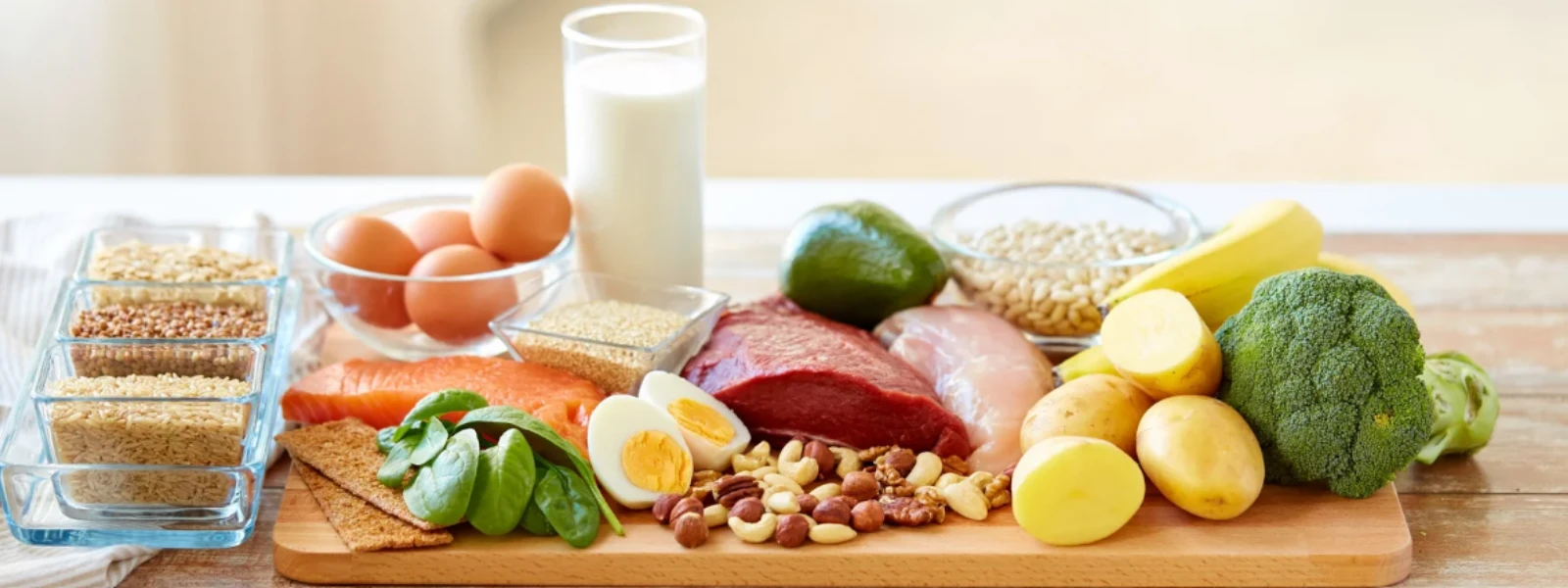


Plant-based protein has long been surrounded by myths and misconceptions, with many believing it can't match animal protein in quality or quantity. Enter tofu – a humble soybean-derived food that's quietly revolutionizing the protein game. Whether you're an athlete pushing your limits, a fitness enthusiast building muscle, or someone exploring plant-based nutrition, understanding tofu protein per 100g reveals surprising facts that might change how you view this versatile food.
This comprehensive breakdown will explore nine eye-opening facts about tofu's protein content, nutritional profile, and performance benefits. From precise protein percentages to amino acid compositions, you'll discover why tofu deserves a place in your nutrition strategy.
The most striking fact about tofu protein per 100g is its impressive concentration. Firm tofu delivers approximately 15-17 grams of protein per 100-gram serving, making it a substantial protein source that rivals many animal products. This protein content varies slightly based on the tofu's firmness and preparation method.
Extra-firm tofu can contain up to 19 grams of protein per 100g, while silken tofu typically provides around 5-7 grams. The difference lies in water content – firmer varieties have less water and more concentrated nutrients, including protein.
When examining tofu protein composition, approximately 40-45% of tofu's total calories come from protein. This protein percentage makes tofu an excellent choice for those seeking to increase their protein intake without excessive calories.
The remaining macronutrients include healthy fats (35-40% of calories) and minimal carbohydrates (10-15% of calories). This balance creates a nutrient-dense food that supports various health goals.
One of the most surprising tofu nutrition facts is its complete amino acid profile. Unlike many plant proteins that lack certain essential AmIno aciDS, tofu provides all nine essential AmIno aciDS your body cannot produce independently.
The tofu amino acid profile includes high levels of lysine, which is often limited in plant proteins. It also contains substantial amounts of leucine, isoleucine, and valine – branched-chain amino acids crucial for muscle protein synthesis and recovery.
Did You Know?
Tofu's protein quality score (PDCAAS) is 0.9-1.0, meaning it's nearly equivalent to animal proteins in terms of amino acid completeness and digestibility.
Per 100g of firm tofu, key amino acids include leucine (1.2g), lysine (1.0g), and phenylalanine (0.8g). These levels support muscle building, immune function, and overall protein synthesis effectively.
The tofu macronutrient breakdown reveals a well-balanced nutritional profile that extends far beyond protein content. A 100g serving of firm tofu typically contains:
Calories: 144 kcal
Protein: 15.7g
Fat: 8.7g
Carbohydrates: 4.3g
Fiber: 2.3g
This composition makes tofu an efficient protein source with moderate calories and beneficial fats. The low carbohydrate content suits various dietary approaches, from ketogenic to moderate-carb plans.
Beyond macronutrients, tofu provides essential minerals including calcium (350mg per 100g), iron (2.7mg), and magnesium (65mg). These micronutrients support bone health, oxygen transport, and muscle function.
When comparing tofu as a protein source against other options, the results are remarkable. High protein tofu contains more protein per calorie than many animal products while providing additional health benefits.
Compared to chicken breast (31g protein, 165 calories per 100g), tofu offers nearly half the protein with fewer calories and no saturated fat. This efficiency makes tofu an excellent choice for lean protein intake.
The tofu protein comparison extends to plant-based alternatives too. While quinoa provides 4.4g protein per 100g and lentils offer 9g, tofu's 15-17g protein content significantly exceeds most plant options.
This higher protein concentration means smaller serving sizes can meet protein targets, making meal planning more flexible and convenient.
The tofu protein content varies significantly based on processing and preparation methods. Traditional pressing techniques that remove excess water concentrate protein levels, explaining why extra-firm varieties contain more protein per gram.
Silken tofu, processed differently to maintain smooth texture, retains more water and consequently has lower protein concentration. However, it still provides quality protein in a different format suitable for smoothies, desserts, and sauces.
Pressing tofu before cooking can increase protein density by 10-15% as water removal concentrates all nutrients. Freezing and thawing tofu creates a firmer texture and slightly higher protein concentration per serving.
One overlooked aspect of tofu nutrition facts is its excellent digestibility. The fermentation process used in traditional tofu production breaks down complex proteins and compounds, making nutrients more bioavailable.
Research indicates tofu protein has a digestibility rate of 90-95%, comparable to animal proteins and superior to many other plant proteins. This high digestibility means your body can effectively utilize the amino acids for muscle building and repair.
The benefits of tofu protein extend to post-exercise recovery. The combination of complete amino acids and high digestibility supports muscle protein synthesis effectively, particularly when consumed within the post-workout window.
Perhaps the most surprising fact about tofu is its exceptional calcium content. Calcium-set tofu contains approximately 350mg of calcium per 100g, rivaling and often exceeding dairy products.
This calcium comes from the coagulant used in tofu production, making it highly bioavailable. Combined with tofu's protein content, this creates a food that supports both muscle and bone health simultaneously.
The combination of protein and calcium in tofu provides comprehensive bone health support. Protein aids calcium absorption and bone matrix formation, while adequate calcium intake maintains bone density.
Tofu's remarkable versatility contributes to consistent protein intake – a crucial factor often overlooked in protein discussions. Its neutral flavor and varied textures allow incorporation into countless dishes across all meals.
From breakfast scrambles to dinner stir-fries, smoothies to desserts, tofu adapts to different culinary applications while maintaining its protein content. This versatility helps individuals meet daily protein targets more easily than relying on limited protein sources.
Most cooking methods preserve tofu's protein content effectively. Grilling, baking, sautéing, and even blending maintain the amino acid profile. However, excessive boiling may cause minor protein loss through leaching.
The final surprising fact about tofu protein per 100g relates to its economic value. Tofu provides high-quality protein at a fraction of the cost of many animal proteins, making it an accessible option for diverse populations.
Per gram of protein, tofu often costs 30-50% less than chicken, fish, or beef while providing additional nutritional benefits. This affordability makes consistent high-protein nutrition more attainable for various income levels.
Firm tofu contains approximately 15-17 grams of protein per 100-gram serving. Extra-firm varieties can provide up to 19 grams, while silken tofu contains around 5-7 grams due to higher water content.
Yes, tofu is considered a high-protein food. With 15-17 grams of protein per 100g, it provides more protein than most plant-based foods and compares favorably to many animal proteins in terms of protein density per calorie.
Eating 100g of tofu daily is generally safe and beneficial for most people. This amount provides substantial protein, calcium, and other nutrients while fitting well into a balanced diet. However, individuals with soy allergies or certain medical conditions should consult healthcare providers.
Tofu protein is comparable to animal proteins in quality, providing all essential amino acids with high digestibility. While it contains less protein per gram than chicken or fish, it offers additional benefits like fiber, calcium, and isoflavones while being lower in saturated fat.
Yes, tofu protein effectively supports muscle building due to its complete amino acid profile, including branched-chain amino acids essential for muscle protein synthesis. Its high digestibility ensures efficient utilization by the body for muscle repair and growth.
These nine surprising facts about tofu protein per 100g reveal why this plant-based protein deserves serious consideration in any nutrition strategy. From its impressive 15-17 gram protein content to its complete amino acid profile and exceptional calcium levels, tofu challenges common misconceptions about plant proteins. The combination of high digestibility, versatility, and cost-effectiveness makes tofu an outstanding protein source for athletes, fitness enthusiasts, and anyone seeking optimal nutrition. Whether you're building muscle, supporting bone health, or simply aiming for better overall nutrition, tofu's remarkable protein profile offers compelling benefits worth exploring in your dietary journey.




Someone sent you
Powered by ReferRush


