Creatine vs Shilajit: Ultimate Supplement Showdown
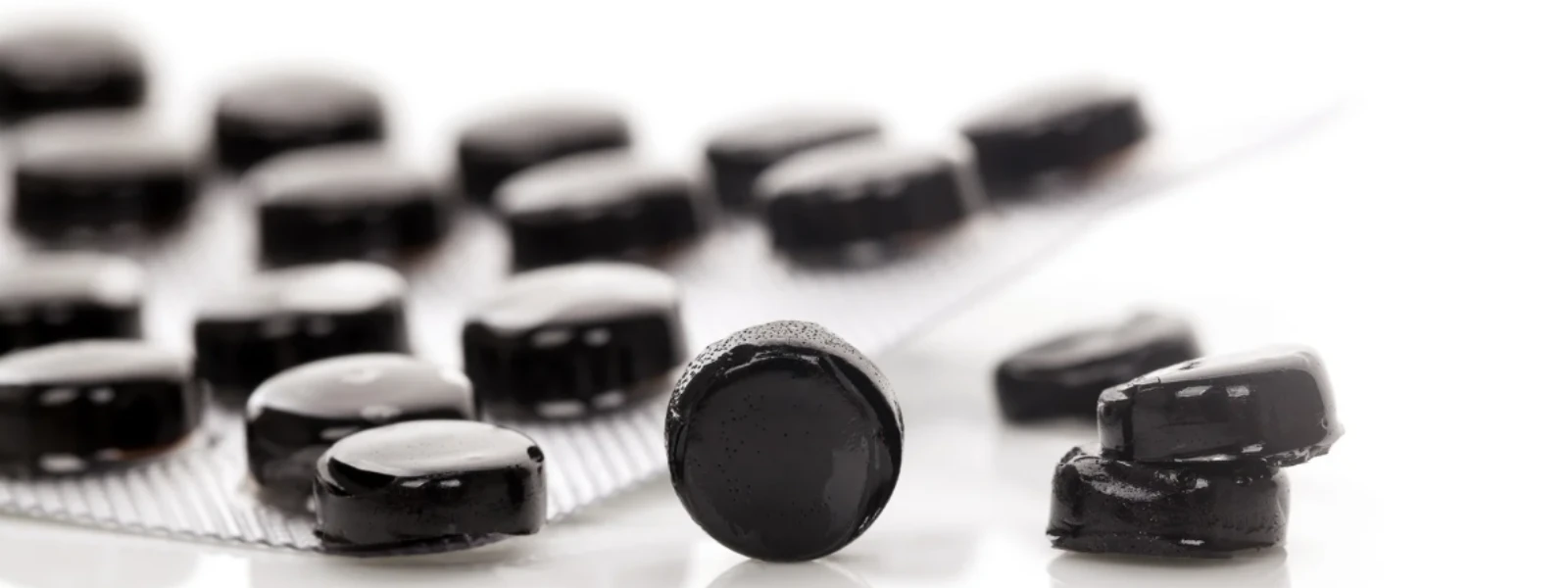


The supplement world is buzzing with debates about which performance enhancer delivers the best results. Two powerhouses have emerged as front-runners: creatine, the scientifically-backed muscle builder, and shilajit, the ancient Himalayan wonder. Both promise to boost your performance, but they work in completely different ways.
This comprehensive comparison will help you understand the unique benefits, optimal dosages, and practical applications of each supplement. Whether you're looking to maximize muscle growth, enhance athletic performance, or boost natural energy levels, you'll discover which option aligns best with your fitness goals.
Creatine is a naturally occurring compound found in muscle cells. Your body produces about 1-2 grams daily, primarily in the liver, kidneys, and pancreas. When you supplement with creatine, you're essentially filling up your muscles' energy tanks.
The science behind creatine is straightforward. It helps regenerate adenosine triphosphate (ATP), which is your muscles' primary energy currency. During high-intensity exercise, your ATP stores deplete rapidly. Creatine monohydrate, the most researched form, helps replenish these stores faster.
Research shows that creatine supplementation can increase muscle creatine stores by 10-40%. This translates to improved performance during short bursts of intense activity, making it one of the most effective muscle growth supplements available.
Shilajit is a sticky, tar-like substance that oozes from rocks in high mountain ranges, particularly the Himalayas. It forms over centuries through the decomposition of plant matter and contains over 80 minerals in ionic form.
The primary active compound in shilajit is fulvic acid, which makes up 15-20% of its composition. Fulvic acid acts as a powerful carrier molecule, helping transport nutrients into cells more effectively. Shilajit also contains dibenzo-α-pyrones, compounds that may support mitochondrial function.
Traditional Ayurvedic medicine has used shilajit for thousands of years as a rejuvenative tonic. Modern research is now validating many of these traditional uses, particularly its effects on energy production and hormonal balance.
Creatine's benefits are well-documented through hundreds of peer-reviewed studies. The primary advantages include increased power output during high-intensity exercise, enhanced muscle mass development, and improved recovery between training sets.
For strength training supplements, creatine stands unmatched. Studies show it can increase bench press performance by 5-15% and improve sprint performance by 1-5%. The compound also supports cognitive function, with research indicating improved memory and mental processing speed.
Creatine works particularly well for activities lasting 10 seconds or less, such as weightlifting, sprinting, and jumping. It's less effective for endurance activities like long-distance running or cycling.
Shilajit operates as one of nature's most potent natural energy boosters. Unlike creatine's targeted muscle effects, shilajit works at the cellular level by supporting mitochondrial function. This leads to improved energy production throughout the entire body.
Research suggests shilajit may act as a testosterone booster, with studies showing 20% increases in testosterone levels after 90 days of supplementation. It also demonstrates powerful antioxidant properties, helping combat oxidative stress from intense training.
The compound's adaptogenic properties help the body manage stress more effectively. This can lead to better recovery, improved sleep quality, and enhanced overall well-being.
Did You Know?
Shilajit contains fulvic acid, which can enhance the absorption of other nutrients by up to 60%. This makes it an excellent complement to other supplements in your routine.
For immediate athletic performance gains, creatine typically delivers faster, more measurable results. Most users notice strength improvements within 1-2 weeks of consistent use. The effects are particularly pronounced in activities requiring explosive power.
Shilajit offers more subtle, long-term benefits. Users often report improved energy levels, better recovery, and enhanced overall vitality after 4-8 weeks of use. While the effects may take longer to manifest, they tend to be more comprehensive.
The choice between immediate performance gains versus long-term wellness benefits often determines which supplement better suits individual goals.
The most effective creatine dosage follows a two-phase approach. The loading phase involves taking 20 grams daily, divided into 4 doses of 5 grams each, for 5-7 days. This rapidly saturates muscle creatine stores.
After loading, the maintenance phase requires 3-5 grams daily. Taking creatine post-workout with carbohydrates can enhance uptake. Some people skip the loading phase and take 3-5 grams daily from the start, though this takes 3-4 weeks to achieve full saturation.
Timing isn't critical for creatine's long-term benefits, but post-workout consumption may provide slight advantages for muscle uptake.
The standard shilajit dosage ranges from 300-500 mg daily. Pure shilajit resin is the most potent form, requiring only a rice grain-sized amount (about 300 mg). Powder and capsule forms may require higher doses due to processing.
Taking shilajit on an empty stomach enhances absorption, though some people prefer taking it with meals to avoid mild stomach upset. Morning consumption is often recommended to take advantage of its energizing effects.
Quality matters significantly with shilajit. Look for products that provide certificates of analysis showing fulvic acid content and heavy metal testing.
Combining shilajit and creatine can create synergistic effects. Shilajit's fulvic acid may enhance creatine absorption, potentially making smaller doses more effective. The combination addresses both immediate performance needs and long-term wellness goals.
Research on combined supplementation is limited, but the mechanisms don't interfere with each other. Creatine works on the phosphocreatine energy system, while shilajit supports mitochondrial function and overall cellular health.
The testosterone booster effects of shilajit may complement creatine's muscle-building properties, potentially leading to enhanced results for serious athletes.
When combining supplements, start with standard doses of each. Take creatine post-workout and shilajit in the morning on an empty stomach. This timing maximizes the benefits of both compounds without interference.
Monitor your body's response carefully when introducing both supplements. Some people may experience increased energy levels that could affect sleep if taken too late in the day.
Consider cycling shilajit (8 weeks on, 2 weeks off) while maintaining consistent creatine use for optimal results.
Creatine is ideal for individuals focused on strength training, muscle building, and explosive power development. It's particularly beneficial for weightlifters, sprinters, and athletes in sports requiring short bursts of intense activity.
The supplement offers excellent value for money, with a month's supply costing less than most protein powders. The extensive research backing makes it a safe choice for beginners and experienced athletes alike.
Choose creatine if you want measurable, rapid improvements in gym performance and don't mind the slight water retention that comes with increased muscle hydration.
Shilajit suits individuals seeking natural energy enhancement, hormonal balance, and overall wellness support. It's particularly appealing to those interested in traditional medicine approaches backed by modern science.
The supplement works well for endurance athletes, busy professionals dealing with stress, and anyone looking to optimize their body's natural energy production systems.
Choose shilajit if you prefer a holistic approach to performance enhancement and are willing to invest in long-term health benefits rather than immediate gains.
Advanced users may benefit from combining both supplements, especially during intense training periods. The combination provides immediate performance benefits from creatine while supporting long-term recovery and adaptation through shilajit.
Start with creatine alone for 4-6 weeks to establish baseline improvements, then add shilajit to enhance overall wellness and potentially boost the effectiveness of your existing routine.
This approach works particularly well for competitive athletes who need both immediate performance gains and sustained energy throughout long training cycles.
Creatine boasts over 1,000 peer-reviewed studies supporting its effectiveness for muscle growth supplements and athletic performance. The evidence quality is exceptionally high, with multiple systematic reviews confirming its benefits.
Shilajit research is growing but less extensive, with most studies focusing on its traditional uses. However, the existing research shows promising results for energy enhancement, testosterone support, and antioxidant activity.
Sports nutritionists generally recommend creatine as a first-line supplement for strength and power athletes, while shilajit is increasingly recognized for its comprehensive wellness benefits.
Creatine offers superior cost-effectiveness for pure performance gains. A month's supply costs approximately $10-15, making it one of the most affordable performance supplements available.
Shilajit is significantly more expensive, with quality products ranging from $30-60 monthly. However, the comprehensive benefits may justify the higher cost for individuals seeking overall wellness enhancement.
The investment in either supplement should align with your specific goals and budget constraints.
For beginners focused on muscle building and strength gains, creatine provides the best starting point. Its proven track record, affordability, and rapid results make it an ideal first supplement.
Experienced athletes or health-conscious individuals may find shilajit's comprehensive benefits more appealing, especially when combined with other supplements in a well-rounded routine.
Consider your primary goals: immediate performance gains favor creatine, while long-term wellness and natural energy enhancement favor shilajit.
Research shows shilajit does not adversely affect kidney function or creatinine levels when used appropriately. The compound actually demonstrates protective effects on kidney health in animal studies.
No, shilajit and creatine are completely different compounds with distinct mechanisms of action. Shilajit is a mineral-rich substance, while creatine is an amino acid derivative.
While shilajit may support muscle building through hormonal optimization and energy enhancement, creatine has more direct muscle-building effects through improved training performance and muscle hydration.
Creatine is typically recommended for beginners due to extensive research, affordability, and proven muscle-building effects. The results are more immediate and measurable for new trainees.
Creatine effects are typically noticed within 1-2 weeks, especially when using a loading protocol. Shilajit benefits may take 4-8 weeks to become apparent as it works on cellular optimization rather than immediate energy systems.
Both creatine and shilajit offer unique advantages for performance enhancement, but they serve different purposes in your supplement routine. Creatine excels at delivering rapid, measurable improvements in strength and muscle building, making it ideal for athletes focused on immediate performance gains. Shilajit provides comprehensive wellness support through natural energy enhancement and hormonal optimization, appealing to those seeking long-term health benefits. Your choice should align with your specific goals, budget, and preference for immediate versus gradual results. Consider exploring our range of performance-supporting supplements to complement whichever option you choose for your fitness journey.




Someone sent you
Powered by ReferRush


