Everything You Need to Know: Creatine or Protein - Which is Best?
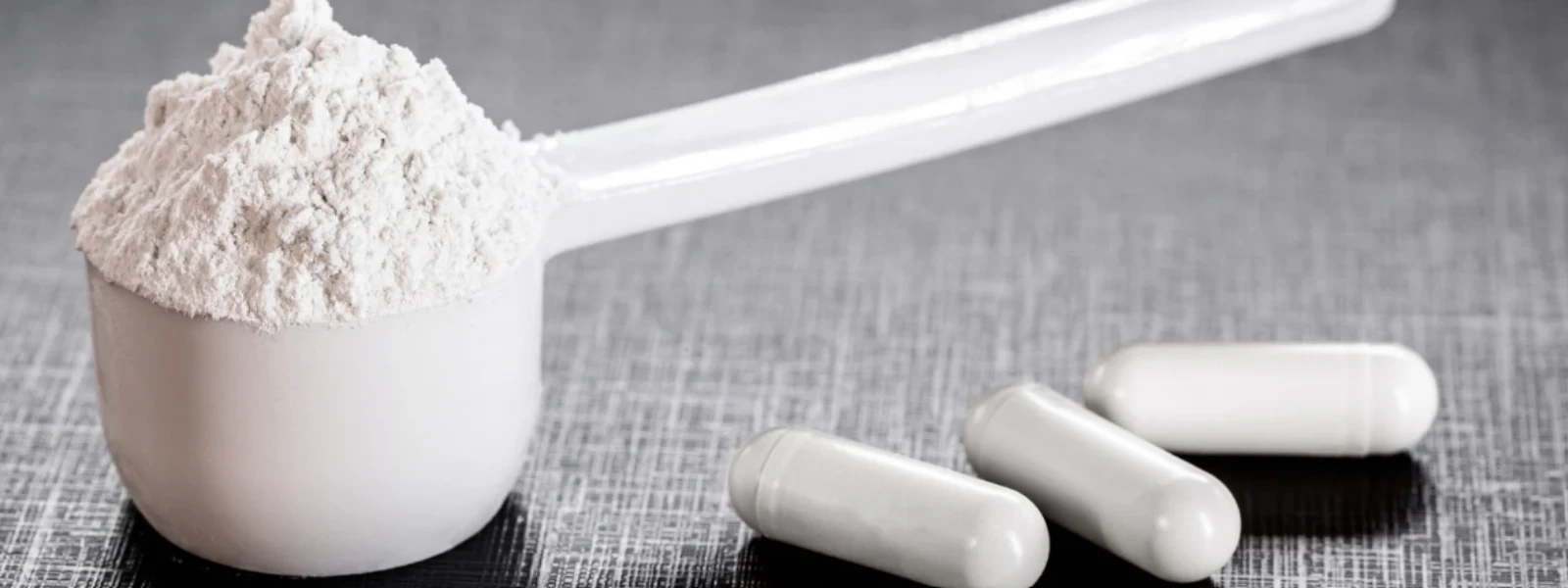


The supplement aisle can feel overwhelming when you're trying to decide between creatine and protein. Both are popular choices among fitness enthusiasts, but they work in completely different ways to support your goals. Understanding these differences is crucial for making an informed decision that aligns with your specific fitness objectives.
This comprehensive guide will break down the science behind both supplements, explore their unique benefits, and help you determine which option - or combination - best suits your training regimen and performance goals.
To make an informed choice between creatine or protein which is best for your needs, it's essential to understand what each supplement actually does in your body.
Creatine is a naturally occurring compound found primarily in muscle cells. Your body produces about 1-2 grams daily from amino acids like arginine, glycine, and methionine. It's also present in foods like red meat and fish.
In supplement form, creatine monohydrate is the most researched and widely used variant. It works by replenishing your muscles' phosphocreatine stores, which serve as a rapid energy source during high-intensity, short-duration activities.
Protein supplements provide concentrated amino acids - the building blocks your body uses to repair and build muscle tissue. Unlike creatine, protein directly contributes to muscle protein synthesis, the process by which your body creates new muscle proteins.
Common protein supplement forms include whey protein, casein, and plant-based options. Each offers different absorption rates and amino acid profiles, making them suitable for various timing strategies and dietary preferences.
The question of creatine vs protein becomes clearer when you consider your specific fitness goals and training style.
For muscle growth, protein takes the lead role. Your muscles need adequate amino acids to support the repair and growth process triggered by resistance training. Research shows that consuming 20-40 grams of high-quality protein within a few hours of training optimizes muscle protein synthesis.
However, creatine can indirectly support muscle growth by allowing you to train harder and longer. The enhanced performance capacity may lead to greater training stimulus over time.
When considering creatine or protein for strength gains, creatine has a more direct impact. Studies consistently show that creatine supplementation can increase maximum power output by 5-15% during repeated high-intensity efforts.
This makes creatine particularly valuable for powerlifters, sprinters, and athletes involved in sports requiring explosive movements.
For endurance athletes, the choice between creatine or protein for endurance depends on training phases. During high-volume training periods, protein becomes crucial for recovery and adaptation. Creatine may benefit endurance athletes who incorporate high-intensity interval training or sprint work into their programs.
Understanding how creatine works helps explain why it's so effective for certain types of training and performance goals.
Your muscles use three energy systems: phosphocreatine, glycolysis, and oxidative metabolism. The phosphocreatine system provides immediate energy for the first 10-15 seconds of high-intensity activity. Creatine supplementation increases these stores by 10-40%, extending this powerful energy source.
This enhancement translates to improved performance in activities like weightlifting, sprinting, jumping, and other explosive movements. Athletes often report being able to complete additional repetitions or maintain higher intensity throughout their workouts.
Research supports taking 3-5 grams of creatine monohydrate daily for maintenance. Some people prefer a loading phase of 20 grams daily for 5-7 days, followed by the maintenance dose, though this isn't necessary for long-term benefits.
Did You Know?
Creatine supplementation can increase muscle creatine stores by up to 40% in individuals with naturally lower baseline levels. This explains why some people experience more dramatic performance improvements than others when starting creatine supplementation.
Timing isn't critical with creatine since it works by saturating muscle stores over time. However, taking it with carbohydrates may enhance uptake into muscle cells.
Protein's role in fitness extends far beyond just building muscle mass. It's fundamental to recovery, adaptation, and maintaining lean body mass.
When you exercise, especially during resistance training, you create microscopic damage to muscle fibers. Your body responds by synthesizing new proteins to repair and strengthen these fibers. This process requires adequate amino acid availability.
Different protein sources offer varying amino acid profiles. Whey protein is particularly rich in leucine, an amino acid that strongly stimulates muscle protein synthesis. This makes it an excellent choice for post-workout recovery.
While the "anabolic window" concept has been somewhat overstated, consuming protein within a few hours of training can optimize recovery. Aim for 20-40 grams of high-quality protein, depending on your body weight and training intensity.
For daily protein intake, research suggests 1.6-2.2 grams per kilogram of body weight for individuals engaged in regular resistance training. This total should come from a combination of whole foods and supplements as needed.
Rather than choosing between creatine or whey protein, many athletes benefit from using both supplements strategically.
Creatine and protein work through different pathways and timeframes. Creatine enhances immediate performance capacity, while protein supports the recovery and adaptation process that occurs in the hours and days following training.
Studies examining combined supplementation show additive benefits for muscle mass, strength, and power development. The enhanced training capacity from creatine, combined with optimal recovery support from protein, creates an environment conducive to faster progress.
When using both supplements, timing becomes important for maximizing benefits. Consider taking creatine consistently at any time of day, while timing protein intake around training sessions and throughout the day to meet total protein goals.
A common approach involves consuming whey protein post-workout for rapid amino acid delivery, while maintaining daily creatine intake for sustained performance benefits.
The decision between creatine or protein for muscle growth, strength, or performance depends on several individual factors.
Athletes focused on explosive, high-intensity training will likely see more immediate benefits from creatine supplementation. This includes powerlifters, Olympic weightlifters, sprinters, and team sport athletes.
Individuals prioritizing muscle growth, body composition changes, or struggling to meet protein needs through whole foods will benefit more from protein supplementation.
Vegetarians and vegans often have lower baseline creatine levels due to limited dietary sources, making creatine supplementation particularly beneficial. Similarly, individuals with lower protein intakes may see greater benefits from protein supplementation.
Consider your current diet, training frequency, and recovery needs when deciding between supplements. Those training multiple times per day or with limited recovery time between sessions may prioritize protein for its recovery benefits.
Creatine monohydrate is generally more affordable and has a longer shelf life than protein powders. If budget is a concern, creatine often provides more performance benefit per dollar spent.
However, if you're already meeting creatine needs through diet or don't participate in high-intensity activities, protein supplementation may offer more practical benefits for your goals.
Yes, taking creatine and protein together is safe and potentially beneficial. They work through different mechanisms and can complement each other's effects. Many athletes successfully combine both supplements as part of their training regimen.
Protein has a more direct impact on muscle growth as it provides the amino acids needed for muscle protein synthesis. However, creatine can indirectly support muscle gain by improving training performance and allowing for greater training stimulus over time.
Both supplements are generally safe when used appropriately. Some people may experience minor digestive discomfort with large protein doses. Creatine may cause temporary water retention in muscles, which is actually part of its beneficial mechanism.
Creatine effects typically appear within 5-7 days of consistent use, with performance improvements becoming noticeable during high-intensity training. Protein benefits for recovery and muscle growth develop over weeks to months of consistent use combined with appropriate training.
There's no evidence suggesting the need to cycle off either supplement. Creatine can be taken continuously without adverse effects. Protein supplementation can be used long-term as needed to meet daily protein requirements alongside a balanced diet.
The choice between creatine or protein which is best for your goals doesn't have to be an either-or decision. Understanding how each supplement works helps you make informed choices based on your specific training style, goals, and needs. Creatine excels at enhancing high-intensity performance and power output, while protein supports muscle recovery, growth, and overall body composition goals. Many athletes find the greatest benefit comes from strategically combining both supplements, using creatine for performance enhancement and protein for recovery optimization. Consider your individual circumstances, training demands, and nutritional needs when making your supplement decisions.




Someone sent you
Powered by ReferRush


