How to Use Creatine for Maximum Muscle Growth
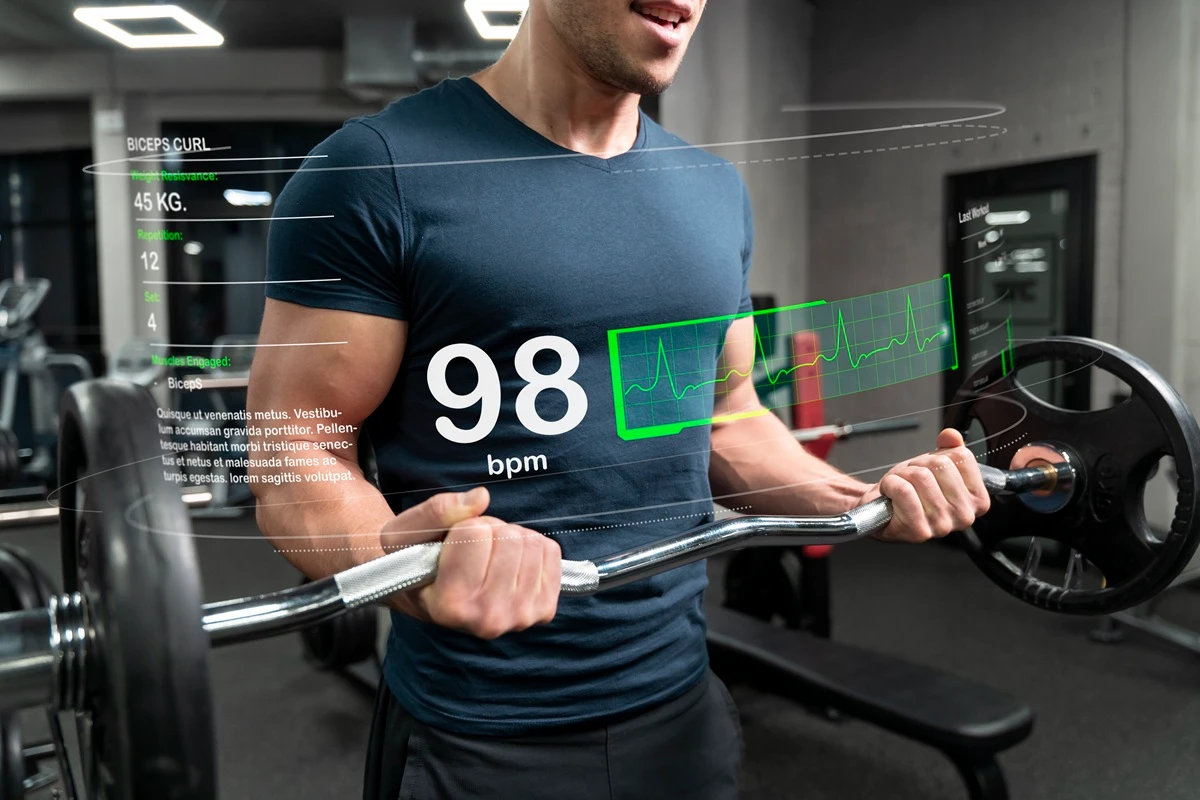


If you've ever wondered how professional athletes build impressive muscle mass and maintain explosive power output, creatine might be the answer you're looking for. This naturally occurring compound has become one of the most researched and trusted supplements in sports nutrition, helping countless fitness enthusiasts achieve their muscle growth goals. In this comprehensive guide, you'll discover exactly how to use creatine effectively to maximize your muscle development, enhance your athletic performance, and transform your strength training results.
Creatine is a natural compound found in your muscles and brain. Your body produces about half of what it needs, while the rest comes from foods like red meat and fish. When you supplement with creatine, you're essentially giving your muscles extra fuel to work harder and longer during intense activities.
Think of creatine as your muscle's energy bank account. During high-intensity exercise, your muscles use a system called ATP for quick energy. Creatine helps replenish ATP faster, allowing you to maintain power output for longer periods. This process directly supports muscle growth by enabling you to train harder and recover more efficiently.
While there are several forms available, creatine monohydrate remains the gold standard. It's the most studied form and has consistently shown the best results for muscle growth and athletic performance. Other forms like creatine hydrochloride exist, but monohydrate offers the best value and proven effectiveness for most people.
Creatine helps you lift heavier weights and perform more repetitions. This increased training volume directly translates to greater muscle growth over time. Your muscles also retain more water, creating an optimal environment for protein synthesis and muscle development.
Whether you're sprinting, jumping, or lifting heavy weights, creatine gives you that extra burst of energy. This improvement in power output means you can push harder during your most challenging sets, leading to better training adaptations.
One of creatine's underrated benefits is faster recovery. By helping your muscles replenish energy stores more quickly, you'll feel less fatigued between training sessions. This means you can maintain consistent workout quality throughout the week.
While creatine is best known for short bursts of energy, it also supports endurance by reducing muscle fatigue. This benefit extends your ability to maintain intensity during longer training sessions.
Expert Tip: Creatine is one of the most researched and effective supplements for athletes and bodybuilders. It's not just about muscle growth; it's about overall performance enhancement.
You have two main approaches for creatine dosing. The loading phase involves taking 20 grams daily for 5-7 days, split into four 5-gram doses. This quickly saturates your muscles with creatine. Alternatively, you can skip the loading phase and take 3-5 grams daily, which will achieve the same saturation in about 3-4 weeks.
The timing of your creatine intake is less critical than consistent daily use. Many people prefer taking it post-workout with a meal containing carbohydrates, as this may improve uptake. However, the most important factor is taking it every day, regardless of timing.
Creatine pairs well with other supplements in your sports nutrition regimen. It works effectively alongside protein powders, which support muscle recovery and growth. The combination creates a comprehensive approach to muscle development and athletic performance.
Since creatine draws water into your muscles, staying well-hydrated becomes even more important. Aim for at least 3-4 liters of water daily when supplementing with creatine. Proper hydration ensures optimal performance and helps prevent any potential side effects.
Creatine works best when combined with a structured strength training program. Focus on compound movements like squats, deadlifts, and bench presses, which engage multiple muscle groups and benefit most from creatine's power-enhancing effects.
High-intensity, short-duration exercises benefit most from creatine supplementation. Think heavy lifting sets of 1-6 repetitions, explosive movements, and interval training. These activities rely heavily on the ATP system that creatine supports.
With creatine's performance benefits, you might find you can handle slightly higher training volumes. Listen to your body and gradually increase intensity as your strength and endurance improve. This progressive approach maximizes muscle growth while preventing overtraining.
While supplementation provides the most concentrated dose, certain foods naturally contain creatine. Red meat, particularly beef, contains the highest amounts, followed by pork and fish. However, you'd need to consume large quantities of these foods to match supplement levels.
A balanced diet supports creatine's effectiveness. Ensure adequate protein intake to support muscle growth, and don't neglect carbohydrates, which provide energy for your workouts. A well-rounded nutrition plan amplifies creatine's benefits.
Consuming carbohydrates with creatine may improve muscle uptake through insulin's effects. Consider taking your creatine with a piece of fruit or alongside a meal containing healthy carbs. This simple strategy can enhance the supplement's effectiveness.
Despite extensive research, myths about creatine persist. It doesn't cause kidney damage in healthy individuals, nor does it lead to dehydration when proper hydration is maintained. These misconceptions often stem from outdated information or misunderstood research.
The most common side effect is minor water retention, which is actually part of how creatine works. Some people experience mild digestive upset during the loading phase, which can be avoided by splitting doses or skipping the loading phase entirely.
While creatine is safe for most healthy adults, individuals with kidney disease should consult healthcare professionals before use. Pregnant or breastfeeding women should also seek medical advice, as should anyone taking medications that affect kidney function.
Creatine is generally considered safe for long-term use when taken at recommended doses. Numerous studies have shown no adverse effects with prolonged use in healthy individuals.
Yes, women can safely take creatine for muscle growth. The effects and benefits are similar to those experienced by men, although the magnitude may vary due to physiological differences.
Most people start to notice the effects of creatine within 1-2 weeks of consistent use. However, for maximum benefits, it's recommended to use creatine regularly for at least 4-8 weeks.
There's no scientific evidence suggesting that cycling creatine is necessary. Many athletes and bodybuilders take it continuously without adverse effects. However, always consult with a healthcare professional for personalized advice.
Absolutely. While athletes and bodybuilders often use creatine, its benefits extend to anyone looking to improve their muscle strength, power, and overall physical performance.
Creatine stands out as one of the most effective supplements for enhancing muscle growth, strength, and athletic performance when used correctly. By understanding proper dosing strategies, timing your intake appropriately, and combining it with consistent strength training, you can harness creatine's full potential for your fitness goals. Remember that while creatine offers significant benefits, it works best as part of a comprehensive approach that includes proper nutrition, adequate hydration, and a well-structured training program. As you embark on your muscle growth journey, consider exploring quality supplement options that can support your performance and recovery needs alongside your creatine regimen.




Someone sent you
Powered by ReferRush


