How to Use Pea Protein for Optimal Muscle Recovery?


Muscle recovery after intense workouts can make or break your fitness journey. While traditional protein sources have dominated the sports nutrition landscape, pea protein has emerged as a powerful plant-based alternative that delivers impressive results. This complete guide will walk you through everything you need to know about using pea protein for optimal muscle recovery, from proper dosage and timing to maximizing its benefits for your fitness goals.
Whether you're following a plant-based diet, dealing with dairy sensitivities, or simply exploring cleaner protein options, understanding how to effectively use pea protein can transform your recovery process and help you achieve better results from your training efforts.
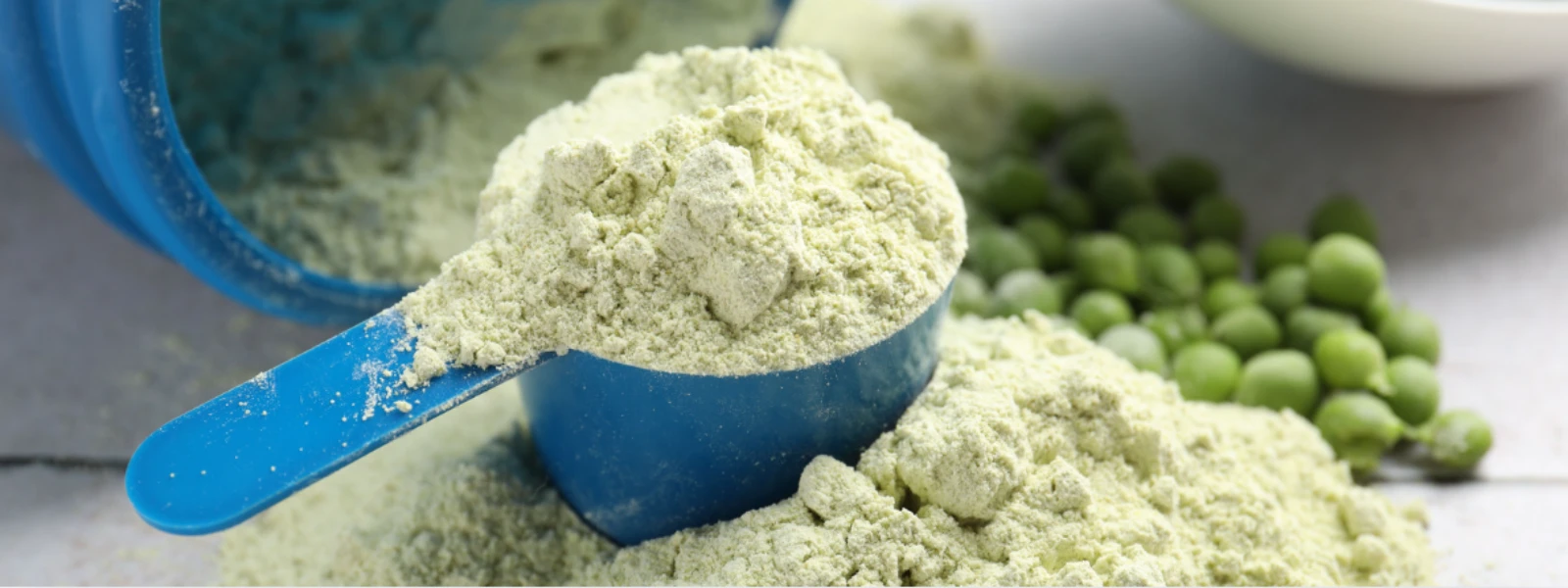
Pea protein is a high-quality plant protein derived from yellow split peas (Pisum sativum). The extraction process involves grinding dried peas into flour, then separating the protein from fiber and starch through wet processing techniques. This results in a concentrated protein powder that typically contains 80-90% protein by weight.
The protein composition of pea protein consists primarily of albumins (10-20%) and globulins (70-80%), which provide a complete amino acid profile. Unlike many plant proteins, pea protein contains all nine essential amino acids your body cannot produce on its own, making it particularly valuable for muscle recovery and growth.
What sets pea protein apart as a muscle recovery supplement is its rich content of branched-chain amino acids (BCAAs). These include leucine, isoleucine, and valine, which play crucial roles in protein synthesis and muscle repair. Pea protein also provides substantial amounts of arginine, an amino acid that supports blood flow and nutrient delivery to muscles during recovery.
For those with dietary restrictions or sensitivities, pea protein offers significant advantages. It's naturally free from common allergens including dairy, gluten, and soy. This makes it an excellent choice for individuals who experience digestive discomfort with whey protein or other animal-based supplements.
Understanding how pea protein supports muscle recovery requires looking at the biological processes that occur after exercise. When you work out, you create microscopic tears in muscle fibers. Your body repairs these tears using amino acids from protein, ultimately building stronger and larger muscles through a process called protein synthesis.
Research shows that pea protein can stimulate muscle protein synthesis as effectively as other high-quality proteins. A study published in the Journal of the International Society of Sports Nutrition found that pea protein supplementation led to similar muscle thickness gains compared to whey protein when combined with resistance training.
The leucine content in pea protein is particularly important for recovery. Leucine acts as a trigger for muscle protein synthesis, essentially telling your body to start the repair and building process. While pea protein contains slightly less leucine than whey protein, it still provides sufficient amounts to stimulate this crucial recovery mechanism.
Pea protein also contains higher levels of arginine compared to many other protein sources. Arginine supports nitric oxide production, which helps dilate blood vessels and improve blood flow to muscles. This enhanced circulation can speed up the delivery of nutrients and oxygen to recovering muscle tissue while helping remove metabolic waste products.
Did You Know?
Pea protein contains approximately 18% arginine by weight, significantly higher than whey protein's 2-3%. This amino acid supports improved blood flow and nutrient delivery to muscles during the recovery process.
Getting the most from pea protein requires understanding proper dosage and timing strategies. The general recommendation for pea protein supplementation is 25-30 grams per serving, which provides approximately 20-25 grams of actual protein depending on the product's concentration.
For muscle recovery purposes, timing your pea protein intake can significantly impact its effectiveness. The post-workout window, often called the "anabolic window," represents the period when your muscles are most receptive to protein synthesis. Consuming pea protein within 30-60 minutes after your workout can help maximize recovery benefits.
However, recent research suggests that total daily protein intake matters more than precise timing. Spreading your pea protein consumption throughout the day can provide sustained amino acid availability for ongoing muscle repair and maintenance. Consider dividing your daily intake into 2-3 servings rather than consuming it all at once.
Your individual protein needs depend on several factors including body weight, training intensity, and overall goals. Athletes and individuals engaged in intense training may benefit from higher intakes, potentially up to 1.6-2.2 grams of protein per kilogram of body weight daily. Pea protein can contribute significantly to meeting these elevated requirements.
To enhance absorption and effectiveness, consider combining pea protein with carbohydrates post-workout. The insulin response triggered by carbohydrates can help drive amino acids into muscle cells more efficiently. Simple options include mixing your pea protein with fruit juice or consuming it alongside a banana.
While pea protein is effective on its own, certain strategies can help you maximize its muscle recovery benefits. One approach involves combining pea protein with complementary plant proteins like rice protein. This combination can provide a more complete amino acid profile that closely matches animal proteins.
The ratio of pea to rice protein can impact the overall amino acid balance. A 70:30 ratio of pea to rice protein often provides optimal leucine levels while maintaining good digestibility. Some manufacturers create blends with superior ingredients, highly absorbable formats, and palatable flavors to enhance both effectiveness and user experience.
Proper hydration becomes even more important when using protein supplements. Protein metabolism requires adequate water for optimal function, and dehydration can impair both protein synthesis and recovery processes. Aim to increase your water intake when supplementing with pea protein, particularly around workout times.
Storage and freshness also affect pea protein's effectiveness. Keep your protein powder in a cool, dry place away from direct sunlight. Exposure to heat and moisture can degrade the protein quality and reduce its biological value. Most pea protein powders maintain their quality for 12-24 months when stored properly.
Consider cycling your pea protein use to prevent adaptation and maintain effectiveness. While daily use is generally safe, some athletes benefit from periodizing their supplementation around training cycles or taking occasional breaks to assess their baseline protein needs.
While pea protein is generally well-tolerated, understanding potential considerations helps ensure safe and effective use. One factor to monitor is sodium content, which can vary significantly between products. Some pea protein isolates contain 110-390mg of sodium per serving, which may be a concern for individuals managing blood pressure or sodium intake.
Digestive tolerance typically improves with gradual introduction. If you're new to pea protein, start with smaller servings (15-20 grams) and gradually increase to the full recommended dose over 1-2 weeks. This approach allows your digestive system to adapt and reduces the likelihood of bloating or discomfort.
Quality standards vary among manufacturers, making third-party testing an important consideration. Look for products that undergo independent testing for purity, heavy metals, and contaminants. This ensures you're getting a clean, safe product that supports rather than hinders your health goals.
Individuals with kidney conditions should consult healthcare providers before significantly increasing protein intake through supplements. While pea protein is generally safe, those with compromised kidney function may need to monitor their total protein consumption more carefully.
Research indicates that pea protein can be equally effective for muscle recovery when consumed in appropriate amounts. While whey protein has a slight edge in leucine content, pea protein's complete amino acid profile and high digestibility make it a viable alternative. The key is ensuring adequate total protein intake rather than focusing solely on the protein source.
For muscle recovery, aim for 25-30 grams of pea protein per serving, with total daily protein intake of 1.6-2.2 grams per kilogram of body weight for active individuals. This typically translates to 1-3 servings of pea protein daily, depending on your other protein sources and training demands.
Yes, pea protein combines well with many supplements. Popular combinations include mixing with creatine for enhanced muscle building, or with rice protein for improved amino acid balance. Avoid mixing with calcium or iron supplements immediately before or after workouts, as these minerals can interfere with protein absorption.
The primary considerations include potentially higher sodium content in some products, a slightly earthy taste that some find less palatable than whey, and typically higher cost compared to conventional protein sources. Some individuals may also experience initial digestive adjustment when first using pea protein.
The most beneficial timing is within 30-60 minutes post-workout when muscle protein synthesis rates are elevated. However, spreading intake throughout the day can provide sustained amino acid availability. Consider having one serving post-workout and another between meals or before bed for optimal recovery support.
Pea protein offers a powerful, plant-based solution for muscle recovery that rivals traditional animal proteins in effectiveness. By understanding proper dosage, timing, and combination strategies, you can harness its complete amino acid profile and high digestibility to support your fitness goals. The key lies in consistent use, appropriate serving sizes, and integrating it thoughtfully into your overall nutrition strategy. Whether you're transitioning to plant-based nutrition or seeking a cleaner protein alternative, pea protein provides the building blocks your muscles need for optimal recovery and growth.




Someone sent you
Powered by ReferRush


