How to Use Plant Protein Powder for Muscle Growth
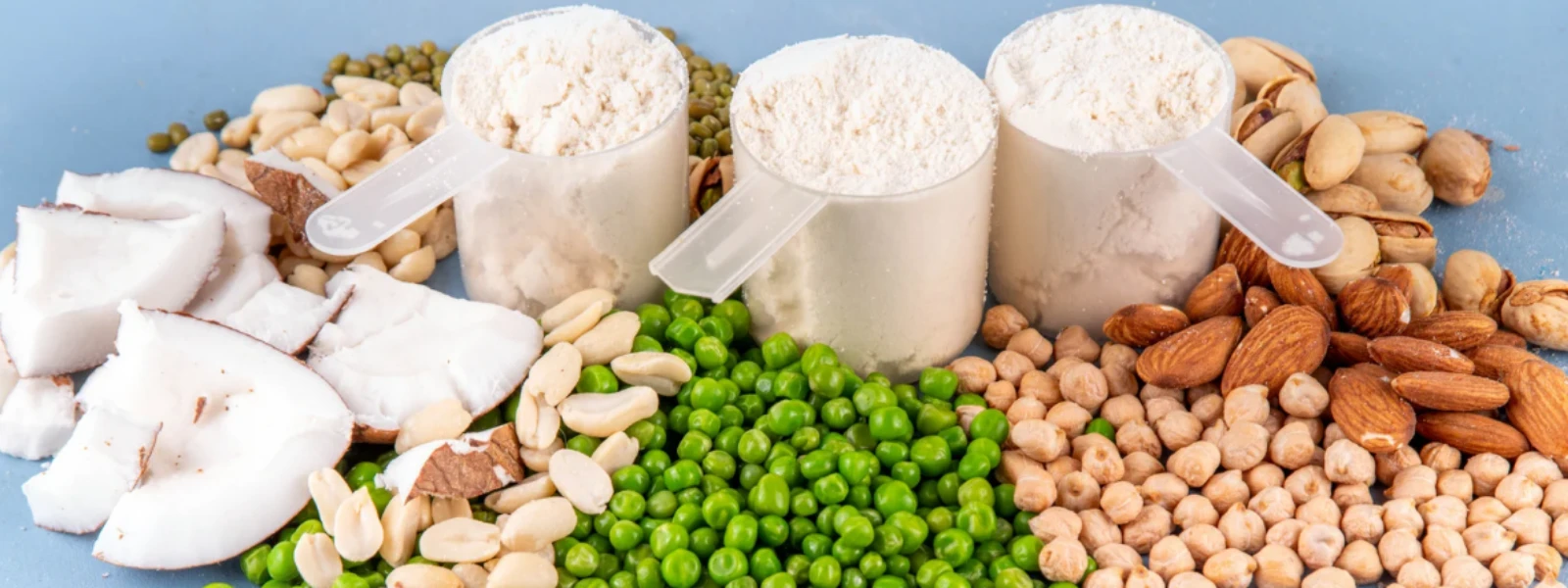


Plant protein powder has emerged as a powerful tool for muscle growth, offering athletes and fitness enthusiasts a clean, sustainable alternative to traditional protein supplements. Whether you're following a plant-based lifestyle or simply seeking better digestibility, understanding how to effectively use plant protein powder can transform your fitness journey. This comprehensive guide explores the science-backed strategies for maximizing muscle development, optimal timing protocols, and practical applications that deliver real results.
Plant protein powder derives from various sources including pea, hemp, rice, and soy, each offering unique amino acid profiles. Unlike animal proteins, many plant proteins are considered incomplete, meaning they don't contain all nine essential amino acids in optimal ratios. However, modern plant protein formulations often combine multiple sources to create complete amino acid profiles that rival traditional whey protein.
Research published in sports nutrition journals demonstrates that plant protein sources can effectively stimulate muscle protein synthesis when consumed in adequate amounts. The key lies in understanding how different plant protein sources complement each other to provide the full spectrum of amino acids your muscles need for growth and repair.
Plant protein powder offers several advantages over animal-based alternatives. These supplements are naturally cholesterol-free and often easier to digest, reducing the bloating and digestive discomfort some people experience with dairy-based proteins. Additionally, plant proteins contain beneficial compounds like fiber, antioxidants, and phytonutrients that support overall health and recovery.
For individuals with lactose intolerance or dairy sensitivities, plant protein powder provides an excellent alternative that doesn't compromise muscle-building goals. The anti-inflammatory properties of many plant proteins may also enhance recovery between training sessions, allowing for more consistent progress.
The effectiveness of any protein supplement depends on its ability to stimulate muscle protein synthesis. Plant protein powder, particularly when formulated with complete amino acid profiles, can trigger this crucial process just as effectively as animal proteins. Studies show that consuming 20-25 grams of high-quality plant protein can maximize muscle protein synthesis rates in healthy adults.
Branched-chain amino acids (BCAAs), particularly leucine, play a critical role in initiating muscle protein synthesis. While individual plant proteins may have lower leucine content than whey, strategic combinations and slightly higher serving sizes can compensate for this difference, delivering comparable muscle-building benefits.
Did You Know?
Research indicates that consuming plant protein powder within 30-60 minutes post-workout can enhance muscle recovery protein synthesis by up to 25%, making timing just as important as the protein source itself.
Beyond muscle building, plant protein powder supports comprehensive athletic performance. The antioxidant compounds naturally present in many plant proteins help combat exercise-induced oxidative stress, potentially reducing muscle damage and accelerating recovery times. This translates to improved training consistency and better long-term progress.
Plant protein supplements also support immune function, which can be compromised during intense training periods. The additional nutrients found in plant proteins, including vitamins, minerals, and phytonutrients, contribute to overall health and may enhance adaptation to exercise stress.
For muscle growth, research suggests consuming 1.6-2.2 grams of protein per kilogram of body weight daily, with active individuals often benefiting from the higher end of this range. Plant protein powder can contribute 20-40 grams of this daily requirement, depending on your individual needs and other protein sources in your diet.
A typical serving of plant protein powder provides 15-25 grams of protein, making it easy to calculate how much you need based on your body weight and training intensity. For a 70-kilogram athlete, this might mean 112-154 grams of total daily protein, with plant protein powder contributing 20-30% of this intake.
Post workout protein consumption remains the most critical timing consideration for muscle growth. Consuming plant protein powder within the 30-60 minute post-exercise window can optimize muscle protein synthesis and enhance recovery. This timing takes advantage of increased blood flow to muscles and heightened sensitivity to amino acids.
Pre-workout consumption can also be beneficial, particularly for longer training sessions. Consuming 10-15 grams of easily digestible plant protein 30-60 minutes before exercise can help prevent muscle breakdown during intense training and provide readily available amino acids for recovery processes that begin during exercise.
The way you prepare your plant protein powder can significantly impact its effectiveness and palatability. Mixing with cold water provides the fastest absorption, while plant-based milk alternatives can enhance flavor and provide additional nutrients. Avoid using extremely hot liquids, as high temperatures can denature proteins and reduce their biological value.
For optimal mixing, add liquid first, then protein powder, and blend thoroughly to prevent clumping. Using a high-speed blender or shaker bottle with a mixing ball ensures smooth consistency and better taste experience.
Plant protein powder recipes extend far beyond basic water or milk mixtures. Creating nutrient-dense smoothies by combining protein powder with fruits, vegetables, and healthy fats can provide comprehensive post-workout nutrition. A recovery smoothie might include plant protein powder, banana for carbohydrates, spinach for micronutrients, and almond butter for healthy fats.
Green smoothies offer an excellent way to increase vegetable intake while meeting protein needs. Combining plant protein powder with leafy greens, cucumber, and fruits creates a refreshing post-workout drink that supports both muscle growth and overall health.
Incorporating plant protein powder into meals and snacks can help distribute protein intake throughout the day, supporting continuous muscle protein synthesis. Protein pancakes made with plant protein powder, oats, and egg whites provide a satisfying breakfast that supports muscle growth goals.
Overnight oats enhanced with plant protein powder create a convenient, high-protein breakfast or snack. This preparation method allows the protein to fully hydrate, improving texture and digestibility while providing sustained energy release.
When choosing plant protein supplements, prioritize products with complete amino acid profiles or strategic blends that provide all essential amino acids. Look for third-party testing certifications that verify protein content, purity, and absence of contaminants like heavy metals.
Digestibility represents another crucial factor. Some individuals may find certain plant proteins easier to digest than others. Pea protein isolate tends to be well-tolerated, while hemp protein provides additional omega-3 fatty acids but may have a stronger flavor that requires masking.
Pea protein isolate offers one of the most complete amino acid profiles among single-source plant proteins, with particularly high levels of BCAAs. Rice protein, while lower in lysine, provides excellent digestibility and neutral flavor. Hemp protein delivers additional nutrients like omega fatty acids and fiber, though with lower protein concentration per serving.
Blended formulas often provide the best of multiple worlds, combining different plant protein sources to create complete amino acid profiles while balancing taste, texture, and nutritional benefits. These alternative protein powder options can match or exceed the muscle-building potential of traditional animal-based proteins.
Plant protein powder works best as part of a comprehensive nutrition strategy that includes diverse whole food protein sources. Combining legumes, nuts, seeds, and grains throughout the day ensures amino acid completeness while providing additional nutrients that support muscle growth and overall health.
Strategic meal planning can optimize the muscle-building benefits of both plant protein powder and whole foods. For example, consuming quinoa or hemp seeds alongside plant protein powder can enhance the overall amino acid profile of your post-workout nutrition.
Resistance training remains the primary stimulus for muscle growth, regardless of protein source. Plant protein powder supports this process by providing the raw materials for muscle repair and growth, but consistent, progressive resistance exercise is essential for maximizing results.
Adequate sleep and stress management also play crucial roles in muscle development. The magnesium and other minerals found in some plant protein sources may support better sleep quality and stress recovery, creating a positive cycle that enhances training adaptations.
Plant protein powder serves multiple purposes including post-workout recovery, daily protein intake supplementation, meal replacement support, and muscle protein synthesis stimulation. It can be used in smoothies, baked goods, and various recipes to increase protein content while supporting muscle growth goals.
Research shows that high-quality vegan protein powder can be equally effective as whey protein for muscle building when consumed in adequate amounts with complete amino acid profiles. The key is choosing products that provide all essential amino acids and consuming slightly larger servings to account for differences in leucine content.
The optimal timing for muscle recovery protein consumption is within 30-60 minutes post-workout when muscle protein synthesis rates are elevated. However, distributing protein intake throughout the day, including before workouts and between meals, can also support continuous muscle building and recovery processes.
While individual plant protein sources may be incomplete, strategic combinations or high-quality blended formulas can provide complete amino acid profiles. Many modern plant protein supplements are specifically formulated to include all essential amino acids in ratios that support optimal muscle protein synthesis.
Most individuals benefit from 20-30 grams of plant protein powder per serving, with 1-2 servings daily depending on total protein needs and other dietary protein sources. Total daily protein intake should reach 1.6-2.2 grams per kilogram of body weight for optimal muscle building results.
Plant protein powder represents a powerful tool for muscle growth that combines effectiveness with sustainability and digestibility. By understanding optimal dosing strategies, timing protocols, and creative applications, you can harness the full potential of plant-based protein supplements to support your fitness goals. The key lies in choosing high-quality products with complete amino acid profiles, integrating them strategically into your nutrition plan, and maintaining consistency in both supplementation and training. Whether you're transitioning to plant-based nutrition or simply seeking alternatives to traditional protein supplements, plant protein powder can effectively support muscle development while contributing to overall health and wellness.




Someone sent you
Powered by ReferRush


