Paneer Protein: Complete Guide to Nutrition
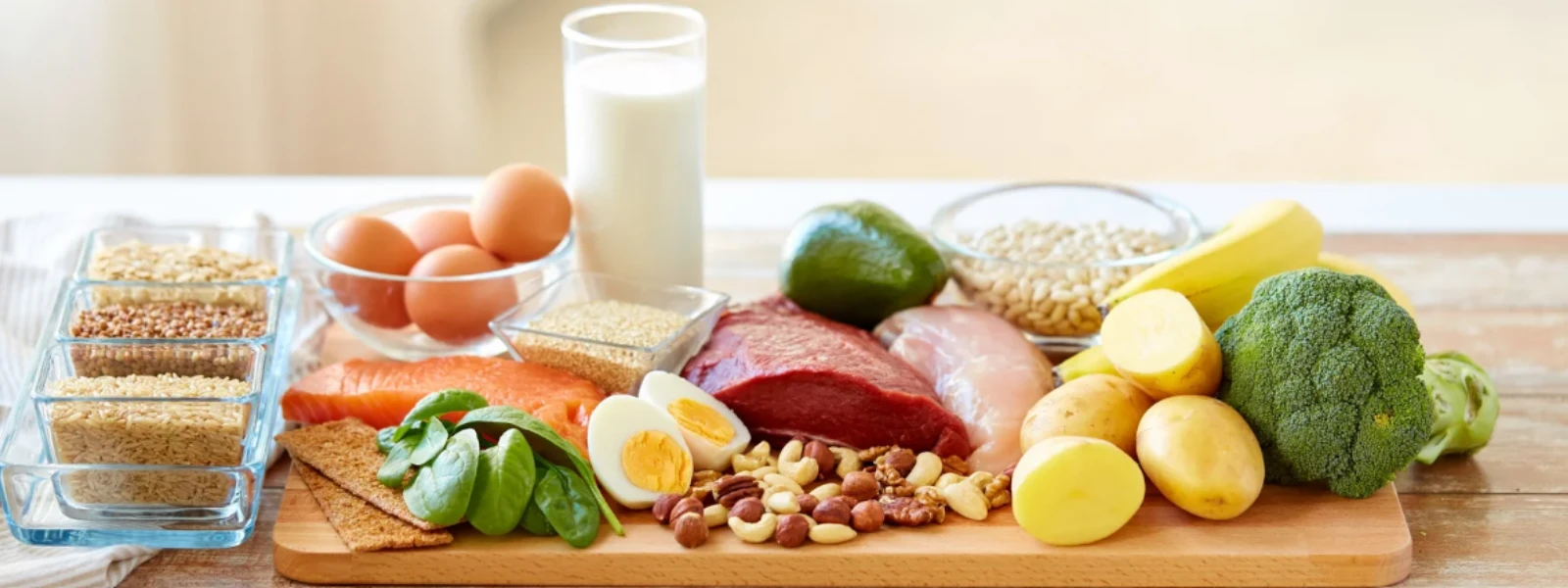


Protein is the building block of muscle, but not all proteins are created equal. While many vegetarian protein sources lack certain amino acids, paneer stands out as a complete protein powerhouse that rivals even the best animal-based options. This comprehensive guide explores why paneer deserves a spot in every athlete's and health-conscious individual's diet, breaking down its complete amino acid profile and practical benefits for muscle building and overall wellness.
A complete protein contains all nine essential amino acids that your body cannot produce on its own. These amino acids must come from food sources to support muscle growth, tissue repair, and various metabolic functions. Paneer qualifies as a complete protein because it provides all nine essential amino acids in adequate proportions.
The protein in paneer comes primarily from casein, which makes up about 80% of milk proteins. Casein is a slow-digesting protein that provides a steady release of amino acids into your bloodstream for several hours after consumption. This makes paneer particularly valuable for sustained muscle protein synthesis.
Paneer contains all essential amino acids including leucine, isoleucine, valine, lysine, methionine, phenylalanine, threonine, tryptophan, and histidine. Leucine, in particular, plays a crucial role in triggering muscle protein synthesis. A 100-gram serving of paneer provides approximately 2.5-3 grams of leucine, which meets the threshold needed to stimulate muscle building.
The biological value of paneer protein ranges between 80-85, indicating excellent absorption and utilization by the body. This high bioavailability means your muscles can effectively use the amino acids for repair and growth.
The protein content in paneer varies depending on the milk type and preparation method. Full-fat paneer made from whole milk contains approximately 18-20 grams of protein per 100 grams, while low-fat versions can provide up to 25-28 grams per 100 grams.
A 100-gram serving of regular paneer typically contains:
• Protein: 18-20 grams
• Fat: 20-25 grams
• Carbohydrates: 1-4 grams
• Calories: 265-300
Beyond protein, paneer is rich in essential micronutrients. It provides substantial amounts of calcium (208mg per 100g), phosphorus (138mg), and Vitamin b12. These nutrients support bone health, energy metabolism, and nervous system function.
The fat content in paneer includes beneficial fatty acids, though the exact composition depends on the source milk. Paneer made from grass-fed milk contains higher levels of omega-3 fatty acids and conjugated linoleic acid (CLA).
Did You Know?
Paneer provides more protein per serving than most plant-based alternatives. While 100 grams of tofu contains about 8-15 grams of protein, the same amount of paneer delivers 18-25 grams, making it nearly twice as protein-dense.
Both paneer and eggs are complete proteins, but they differ in several key aspects. Two large eggs provide about 12 grams of protein, while 100 grams of paneer offers 18-25 grams. Eggs have a slightly higher biological value (100 vs 80-85), but paneer provides more protein per serving and has a longer satiety effect due to its casein content.
Soy products like tofu and tempeh are also complete proteins, but paneer has advantages in terms of protein density and digestibility. Many people find paneer easier to digest than soy products, and it doesn't contain compounds like phytoestrogens that some individuals prefer to limit.
Compared to Greek yogurt, paneer provides similar protein content but with less processing and fewer additives. Cottage cheese shares similarities with paneer but often contains more sodium and preservatives. Paneer's minimal processing helps preserve its natural nutritional profile.
The casein protein in paneer makes it particularly valuable for muscle building and recovery. Casein provides a sustained release of amino acids after consumption.
The leucine content in paneer effectively triggers muscle protein synthesis, the process by which your body builds new muscle tissue. Research shows that consuming 20-25 grams of high-quality protein, like that found in paneer, maximizes muscle protein synthesis in most individuals.
Athletes can benefit from paneer's slow-digesting properties, especially when consumed before bed. The sustained amino acid release supports overnight muscle recovery and helps prevent muscle breakdown during extended periods without food.
For endurance athletes, paneer provides steady energy and helps maintain muscle mass during high-volume training periods. The combination of protein and moderate fat content supports sustained energy release.
To preserve paneer's protein quality, avoid overcooking at high temperatures. Light sautéing, grilling, or adding to dishes near the end of cooking maintains the protein structure. Raw paneer retains the highest protein quality, making it excellent for salads and cold preparations.
For muscle building, aim for 25-30 grams of paneer protein per meal, which translates to approximately 125-150 grams of paneer. This amount provides sufficient amino acids to maximize muscle protein synthesis.
Timing matters for different goals. Pre-workout paneer consumption (1-2 hours before) provides sustained energy, while post-workout intake supports recovery. Evening consumption leverages casein's slow-release properties for overnight muscle maintenance.
Pairing paneer with vegetables increases nutrient density and fiber content. Combining it with whole grains creates a more complete nutritional profile, while adding healthy fats like nuts or seeds enhances satiety and nutrient absorption.
Yes, paneer can support weight loss goals due to its high protein content and satiety effects. The protein helps preserve muscle mass during calorie restriction, while the slow-digesting casein keeps you feeling full longer. However, portion control is important due to its calorie density.
Paneer contains casein protein, which digests more slowly than whey protein. While whey is ideal for post-workout rapid absorption, paneer provides sustained amino acid release. Both are complete proteins, but they serve different purposes in nutrition timing strategies.
Paneer can be a primary protein source in vegetarian diets, but variety is important for optimal nutrition. Combining paneer with other protein sources like legumes, nuts, and whole grains ensures a diverse amino acid profile and broader nutrient intake.
For muscle building, paneer works well at any time due to its sustained amino acid release. It's particularly beneficial before bed for overnight muscle recovery, or 1-2 hours pre-workout for sustained energy during training sessions.
Many people with mild lactose intolerance can tolerate paneer because the cheese-making process removes much of the lactose. However, those with severe lactose intolerance should consult healthcare providers before including paneer in their diet.
Paneer stands out as a complete protein source that provides all essential amino acids needed for muscle building, recovery, and overall health. Its unique casein-based protein offers sustained amino acid release, making it valuable for athletes and fitness enthusiasts seeking quality nutrition. With 18-25 grams of protein per 100 grams, along with essential nutrients like calcium and Vitamin B12, paneer proves to be more than just a tasty addition to meals. Whether you're building muscle, maintaining weight, or simply seeking high-quality vegetarian protein, paneer offers a scientifically-backed solution that fits seamlessly into various dietary approaches and fitness goals.


Someone sent you
Error
Powered by ReferRush


