The Essential Moringa Protein Checklist for Optimal Wellness
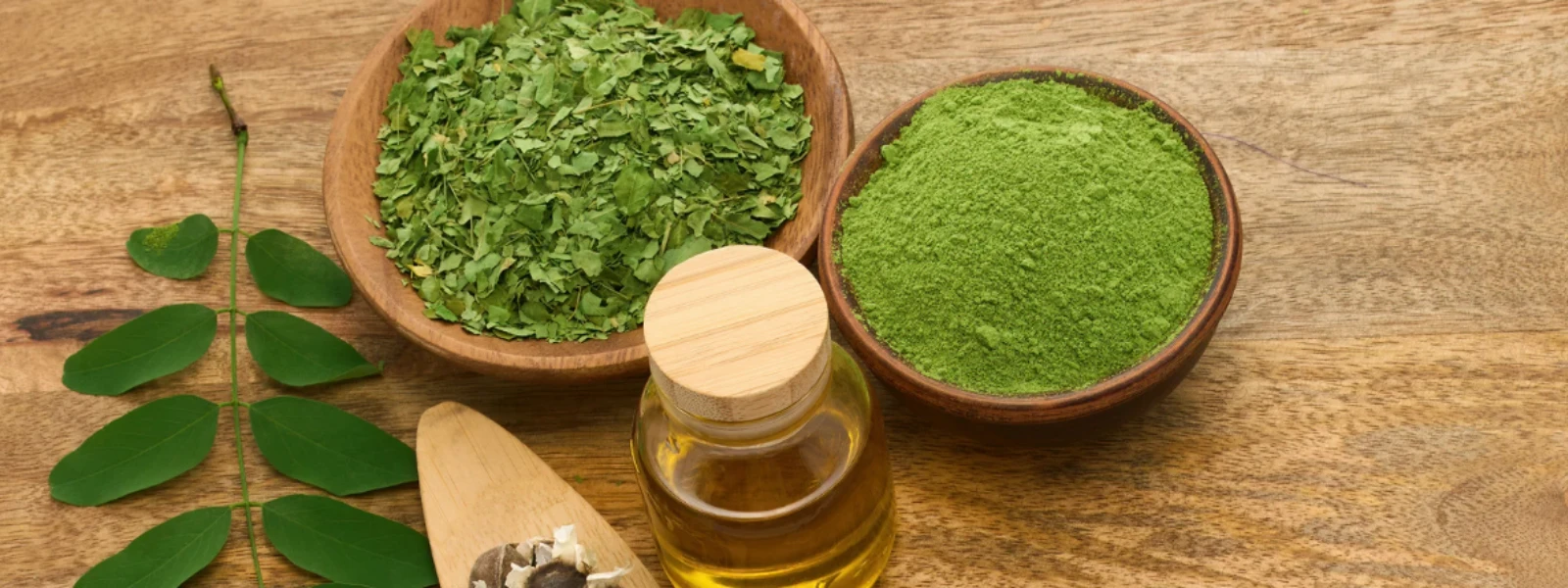


Moringa, often called the "miracle tree," has gained recognition as one of nature's most nutrient-dense superfoods. This remarkable plant contains an impressive moringa protein profile that rivals many conventional protein sources. With its complete amino acid profile and exceptional nutritional density, moringa offers a natural solution for athletes, fitness enthusiasts, and health-conscious individuals seeking optimal wellness support.
Understanding how to harness the power of moringa protein can transform your approach to nutrition and performance. This comprehensive checklist will guide you through everything you need to know about incorporating this superfood into your wellness routine effectively.
Moringa powder stands out in the world of plant-based proteins due to its exceptional nutritional profile. With approximately 25-30% protein content by weight, dried moringa leaves provide a substantial protein boost to any diet. Fresh moringa leaves contain about 8-10% protein, making them comparable to many animal-based protein sources.
What sets moringa protein apart from other plant proteins is its complete amino acid profile. Unlike many plant-based protein sources that lack certain essential amino acids, moringa contains all nine essential amino acids that your body cannot produce on its own. These include:
Leucine, isoleucine, and valine form the branched-chain amino acids (BCAAs) crucial for muscle protein synthesis. Lysine supports tissue repair and calcium absorption, while methionine aids in metabolism and detoxification. Phenylalanine contributes to neurotransmitter production, and threonine supports immune function and collagen formation.
Moringa nutrition extends far beyond its protein content. This superfood contains significant amounts of Vitamin A, Vitamin C, calcium, potassium, and iron. The bioavailability of these nutrients in moringa is exceptionally high, meaning your body can easily absorb and utilize them effectively.
Did You Know?
Moringa leaves contain seven times more Vitamin C than oranges, four times more calcium than milk, and three times more potassium than bananas. This makes moringa protein powder not just a protein source, but a comprehensive nutritional supplement.
Moringa for athletes offers unique advantages that extend beyond basic protein supplementation. The combination of high-quality protein and essential micronutrients creates a synergistic effect that supports various aspects of athletic performance.
Moringa for muscle growth works through its rich amino acid profile, particularly the presence of BCAAs. These amino acids play a crucial role in protein synthesis, helping repair and build muscle tissue after intense training sessions. The anti-inflammatory compounds in moringa also support faster recovery by reducing exercise-induced oxidative stress.
Moringa for endurance benefits come from its iron content and B-vitamins, which support oxygen transport and energy metabolism. The natural nitrates found in moringa leaves may help improve blood flow and oxygen delivery to working muscles, potentially enhancing endurance performance during prolonged exercise.
Unlike synthetic pre-workout supplements, moringa supplements provide sustained energy through natural compounds. The combination of protein, complex carbohydrates, and essential nutrients helps maintain stable blood sugar levels and prevents energy crashes during training.
Understanding the complete nutritional profile of moringa protein powder helps you make informed decisions about incorporating it into your diet. A typical 100-gram serving of dried moringa leaves provides approximately 25-30 grams of protein, making it a concentrated protein source.
The protein digestibility-corrected amino acid score (PDCAAS) of moringa protein rates highly compared to other plant proteins. This scoring system evaluates protein quality based on amino acid composition and digestibility, making moringa a superior choice among plant-based protein sources.
Moringa benefits extend to its impressive micronutrient profile. The high Vitamin A content supports eye health and immune function, while the abundant Vitamin C acts as a powerful antioxidant. The calcium and magnesium content supports bone health and muscle function, making it particularly beneficial for active individuals.
Moringa contains powerful antioxidants including quercetin, chlorogenic acid, and beta-carotene. These compounds help combat oxidative stress caused by intense exercise, supporting faster recovery and reduced inflammation.
Successfully integrating moringa powder into your daily routine requires understanding proper dosing, timing, and preparation methods. Start with small amounts to allow your digestive system to adapt to this nutrient-dense superfood.
For general wellness support, 1-2 teaspoons (3-6 grams) of moringa protein powder daily provides substantial nutritional benefits. Athletes and individuals with higher protein needs may benefit from 1-2 tablespoons (10-20 grams) daily, divided into multiple servings.
Consuming moringa for recovery works best when timed strategically around workouts. Taking moringa protein 30-60 minutes before exercise can provide sustained energy, while post-workout consumption supports muscle recovery and protein synthesis.
The mild, slightly earthy flavor of moringa blends well with various foods and beverages. Mix it into smoothies with fruits to mask any unfamiliar taste, stir it into yogurt or oatmeal, or incorporate it into energy balls and protein bars for convenient on-the-go nutrition.
The performance benefits of moringa superfood stem from its unique combination of nutrients that work synergistically to support athletic performance and recovery. Unlike isolated protein supplements, moringa provides a holistic nutritional approach.
The leucine content in moringa protein triggers muscle protein synthesis, the process by which your body builds new muscle tissue. Combined with other essential amino acids, this creates an optimal environment for muscle growth and repair.
Chronic inflammation can hinder performance and recovery. The anti-inflammatory compounds in moringa, including isothiocyanates and flavonoids, help manage exercise-induced inflammation naturally, supporting faster recovery between training sessions.
Moringa contains adaptogenic properties that may help your body manage physical and mental stress more effectively. This can be particularly beneficial for athletes dealing with training stress and competition pressure.
Choosing the right moringa supplements ensures you receive maximum nutritional benefits. Quality varies significantly among different products, making it essential to understand what to look for when selecting moringa protein sources.
Look for moringa products that are organic, non-GMO, and third-party tested for purity. The color should be vibrant green, indicating proper processing and storage. Avoid products with artificial additives, fillers, or unnecessary ingredients that may diminish the natural benefits.
The processing method significantly impacts the nutritional value of moringa powder. Low-temperature drying preserves heat-sensitive nutrients, while high-heat processing can destroy valuable compounds. Freeze-dried or air-dried moringa typically retains more nutrients than conventionally processed products.
Proper storage maintains the potency of your moringa protein. Store it in a cool, dry place away from direct sunlight. An airtight container helps preserve freshness and prevents moisture absorption, which can lead to nutrient degradation.
Yes, moringa is considered a complete protein because it contains all nine essential amino acids that your body cannot produce on its own. This makes it comparable to animal-based proteins in terms of amino acid profile completeness.
Dried moringa powder typically contains 25-30% protein by weight. This means that a 10-gram serving of moringa powder provides approximately 2.5-3 grams of high-quality protein along with numerous other nutrients.
Moringa can support muscle building through its complete amino acid profile, particularly its branched-chain amino acids. However, building muscle requires adequate total protein intake, consistent resistance training, and proper recovery. Moringa should be part of a comprehensive nutrition and training program.
Moringa is generally safe for daily consumption when used in recommended amounts. Start with small doses to assess tolerance, and consult with a healthcare provider if you have any medical conditions or take medications, as moringa may interact with certain drugs.
Moringa can be consumed at any time of day, but many people find it beneficial to take it in the morning for sustained energy or post-workout for recovery support. The timing depends on your individual goals and how your body responds to the nutrients.
Moringa protein represents a remarkable intersection of complete nutrition and functional benefits for optimal wellness. Its comprehensive amino acid profile, combined with an impressive array of vitamins, minerals, and antioxidants, makes it an exceptional choice for anyone seeking natural nutritional support. Whether you're an athlete looking to enhance performance and recovery, or simply someone committed to maintaining optimal health, incorporating high-quality moringa into your routine can provide significant benefits. The key lies in understanding proper usage, selecting quality products, and integrating moringa strategically into your overall nutrition plan. As you explore the world of plant-based nutrition, moringa stands as a testament to nature's ability to provide complete, bioavailable nutrition in a single superfood source.




Someone sent you
Powered by ReferRush


