What to Look for When Buying a Clean Plant Based Protein Powder?
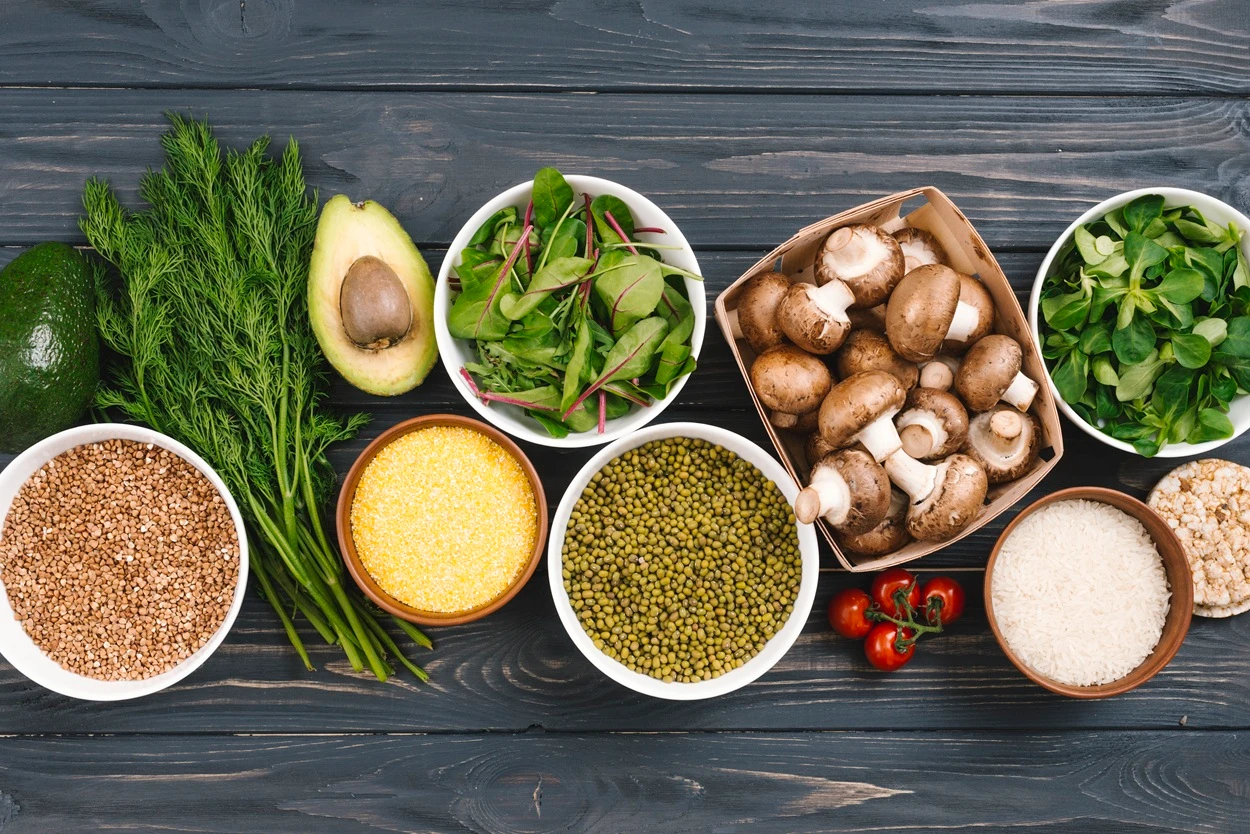


Plant-based diets and clean eating have gained tremendous momentum in recent years. More people are choosing sustainable, health-conscious alternatives to traditional nutrition sources. If you're looking to make the switch to a plant based protein powder, you're in good company. This guide will help you navigate the world of vegan protein powder options and make an informed choice that aligns with your health goals and values.
Plant-based proteins require fewer natural resources to produce compared to animal-based alternatives. They generate lower greenhouse gas emissions and use less water and land. This makes them a more sustainable choice for environmentally conscious consumers.
Plant proteins often come with additional nutrients like fiber, antioxidants, and phytonutrients. These compounds support overall health and may help reduce inflammation in the body. Many people also find plant-based options easier to digest.
Choosing plant-based nutrition aligns with ethical values around animal welfare. It allows you to meet your protein needs without contributing to animal agriculture practices.
A clean protein powder should have a short, recognizable ingredient list. Look for products that contain primarily the protein source itself, with minimal additives or processing aids.
Clean formulations avoid artificial colors, flavors, and preservatives. Instead, they rely on natural ingredients for taste and shelf stability.
These certifications ensure the protein sources are grown without synthetic pesticides and haven't been genetically modified. They provide additional assurance about the quality and purity of the ingredients.
Look for products that provide 15-25 grams of protein per serving. This amount effectively supports muscle building and recovery when combined with regular exercise.
Complete proteins contain all nine essential amino acids your body cannot produce on its own. Some plant proteins are naturally complete, while others need to be combined or blended to achieve this profile.
Check if the product lists its amino acid content. Pay special attention to leucine, which plays a key role in muscle protein synthesis. Quality plant proteins should provide adequate amounts of this important amino acid.
Pea protein is highly digestible and rich in branched-chain amino acids. It has a neutral taste and mixes well in various recipes. This makes it a popular choice for many clean protein powder formulations.
Brown rice protein is hypoallergenic and easily absorbed by the body. It provides a good amino acid profile and works well for people with food sensitivities.
Hemp protein contains omega-3 fatty acids and fiber along with protein. It has a nutty flavor and provides additional nutritional benefits beyond just protein content.
Soy is one of the few plant proteins that's naturally complete. It's been extensively studied and shown to be effective for muscle building and overall health support.
Many manufacturers combine different plant protein sources to create complete amino acid profiles. These blends often provide superior nutritional value and better taste compared to single-source proteins.
Did You Know? The Power of Plant Protein plant-based proteins are not only beneficial for muscle building and recovery but also support overall health. Studies have shown that consuming plant proteins can help reduce the risk of heart disease, type 2 diabetes, and certain cancers.
Many plant proteins naturally contain fiber, which supports digestive health and helps you feel full longer. This added benefit makes plant-based options more nutritionally complete.
Look for products fortified with essential nutrients like Vitamin b12, iron, and zinc. These nutrients are sometimes less abundant in plant-based diets, so fortification can be beneficial.
Some plant proteins, particularly hemp-based ones, contain omega-3 fatty acids. These healthy fats support heart and brain health.
Flavored varieties can make daily consumption more enjoyable, while unflavored options offer more versatility in recipes. Consider your intended use when making this choice.
Quality plant proteins should mix smoothly without leaving a gritty texture. Superior ingredients, highly absorbable formats, palatable flavors all contribute to a better user experience and ensure you'll actually enjoy using the product consistently.
The best plant-based protein powders work well in various applications, from smoothies to baked goods. This versatility makes it easier to incorporate protein into your daily routine.
Many protein powders contain unnecessary added sugars or artificial sweeteners. These ingredients can add empty calories or cause digestive discomfort in sensitive individuals.
Avoid products with excessive fillers like maltodextrin or artificial thickeners. These ingredients don't add nutritional value and may cause digestive issues.
Look for products that undergo third-party testing for heavy metals and other contaminants. This testing ensures the safety and purity of the protein powder.
Plant based protein powder can be just as effective as whey protein for muscle building and recovery when consumed in appropriate amounts and with a balanced diet. Some studies have shown that plant proteins like pea and rice can match whey in terms of muscle protein synthesis and overall performance benefits.
The amount of plant based protein powder you should consume daily depends on factors such as your body weight, activity level, and fitness goals. Generally, adults should aim for 0.8 to 1 gram of protein per kilogram of body weight. For athletes or those engaged in regular intense exercise, this may increase to 1.2 to 2 grams per kilogram.
Absolutely! Plant based protein powder is suitable for anyone looking to incorporate more plant-based nutrition into their diet, regardless of their overall eating habits. It's an excellent option for those with dairy allergies, lactose intolerance, or anyone seeking to reduce their consumption of animal products.
While plant based protein powders are generally safe for most people, some individuals may experience digestive discomfort, bloating, or gas, especially when first introducing them into their diet. Start with smaller amounts and gradually increase to allow your body to adjust. If you have any pre-existing health conditions or concerns, consult with a healthcare professional before adding any new supplement to your diet.
Most plant based protein powders have a shelf life of 12 to 24 months when stored properly in a cool, dry place. Always check the expiration date on the package and follow the manufacturer's storage recommendations to ensure the best quality and safety of the product.
Choosing the right clean plant based protein powder involves considering various factors such as protein source, nutritional profile, taste, and brand reputation. By focusing on high-quality, minimally processed options with complete amino acid profiles, you can enjoy the benefits of plant-based nutrition while supporting your health and fitness goals. Remember to integrate your chosen protein powder into a balanced diet and consult with a healthcare professional or registered dietitian for personalized advice on incorporating plant based proteins into your nutrition plan.




Someone sent you
Powered by ReferRush


