12 Skin-Boosting Foods for a Healthy Diet and Glowing Skin
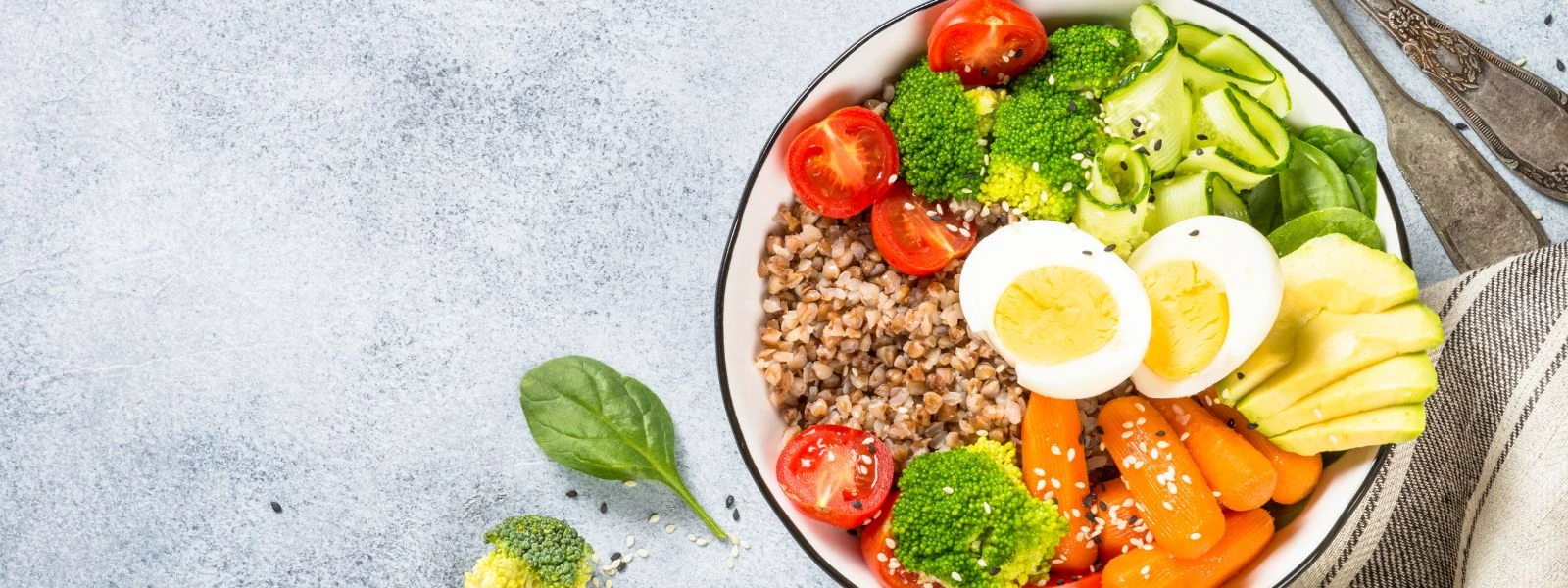


Your skin tells a story about what happens inside your body. Every nutrient you consume plays a role in creating that healthy glow you see in the mirror. While skincare routines focus on external care, true radiance begins with what you put on your plate.
Research shows that certain foods can dramatically improve skin texture, reduce inflammation, and boost natural collagen production. A healthy diet for glowing skin isn't just about avoiding junk food – it's about strategically choosing nutrients that feed your skin from within.
This guide will walk you through 12 powerhouse foods that can transform your complexion. You'll discover how specific nutrients work at the cellular level to repair, protect, and rejuvenate your skin naturally.
Your skin is your body's largest organ, constantly regenerating itself every 28 days. This renewal process depends heavily on the nutrients you provide through your skin care diet. When your body lacks essential vitamins, minerals, and healthy fats, skin cell production slows down, leading to dullness and premature aging.
Several nutrients play starring roles in skin health. Vitamin C helps build collagen, the protein that keeps skin firm and elastic. Vitamin E protects against free radical damage from sun exposure and pollution. Omega-3 fatty acids maintain the skin's lipid barrier, keeping moisture locked in and irritants out.
Antioxidants work like bodyguards for your skin cells. They neutralize harmful molecules called free radicals that break down collagen and cause wrinkles. A diet for radiant skin focuses on delivering these protective compounds consistently.
Salmon, mackerel, and sardines contain high levels of omega-3 fatty acids. These healthy fats reduce inflammation throughout your body, including your skin. Studies show that people who eat fatty fish twice a week have more supple, hydrated skin.
The omega-3s in fish also support your skin's natural oil production. This helps maintain a strong moisture barrier, preventing water loss that leads to dryness and flaking. Aim for two 3-ounce servings of fatty fish per week for optimal benefits.
Avocados provide monounsaturated fats that keep skin flexible and moisturized. They're also rich in Vitamin E, which protects skin cells from oxidative damage. One medium avocado contains about 20% of your daily Vitamin E needs.
The healthy fats in avocados help your body absorb fat-soluble vitamins like Vitamin A and Vitamin D. These vitamins are crucial for skin cell production and repair. Add half an avocado to your daily meals for noticeable improvements in skin texture.
Blueberries, strawberries, and blackberries pack more antioxidants per serving than most other fruits. These compounds protect your skin from damage caused by UV rays and environmental pollutants. The anthocyanins in berries also improve circulation, delivering more nutrients to skin cells.
Berries contain high levels of Vitamin C, essential for collagen synthesis. One cup of strawberries provides more than 100% of your daily Vitamin C requirement. Include a variety of berries in your nutrition for glowing skin plan.
Did You Know?
Marine collagen peptides, found in certain supplements, can complement your berry intake by providing the building blocks your skin needs to maintain firmness and reduce fine lines naturally.
Spinach, kale, and Swiss chard deliver vitamins A, C, and K, plus folate and iron. Vitamin A promotes healthy skin cell production, while Vitamin C supports collagen formation. The iron in leafy greens helps carry oxygen to skin cells, giving you that healthy, rosy glow.
These vegetables also contain lutein and zeaxanthin, antioxidants that protect against sun damage. Aim for at least two cups of leafy greens daily. Mix them into smoothies, salads, or sauté them as side dishes.
Walnuts, almonds, and sunflower seeds provide Vitamin E, zinc, and selenium. These nutrients work together to protect skin cell membranes and support wound healing. Zinc deficiency often shows up as slow-healing skin and increased breakouts.
Just one ounce of almonds provides 37% of your daily Vitamin E needs. Sunflower seeds offer selenium, which works with Vitamin E to prevent cellular damage. Include a small handful of mixed nuts and seeds in your daily foods for healthy skin routine.
Orange vegetables contain beta-carotene, which your body converts to Vitamin A. This vitamin helps regulate skin cell production and prevents the buildup of dead cells that can clog pores. Beta-carotene also acts as a natural sunscreen, providing some protection against UV damage.
One medium sweet potato provides more than 400% of your daily Vitamin A needs. The fiber in these vegetables also supports gut health, which directly impacts skin clarity through the gut-skin connection.
Red, yellow, and orange bell peppers contain more Vitamin C than oranges. This vitamin stimulates collagen production and helps repair damaged skin tissue. Bell peppers also provide carotenoids that protect against photoaging.
Raw bell peppers retain the highest Vitamin C content. Add them to salads, use as snack vegetables, or lightly sauté them to preserve nutrients. One cup of chopped red bell pepper provides 190% of your daily Vitamin C requirement.
Tomatoes contain lycopene, a powerful antioxidant that protects against sun damage and improves skin texture. Cooking tomatoes actually increases lycopene availability, making tomato sauce and paste excellent choices for your skin-boosting diet.
Studies show that people who consume lycopene-rich foods have smoother skin and fewer wrinkles. Include both raw and cooked tomatoes in your diet for maximum benefits.
Broccoli provides zinc, Vitamin A, and Vitamin C in one package. Zinc helps regulate oil production and supports skin healing. The sulforaphane in broccoli also protects against sun damage and may help maintain skin elasticity.
Steam broccoli lightly to preserve its nutrient content. Overcooking destroys many of the beneficial compounds. Aim for 1-2 cups of broccoli several times per week.
Green tea contains catechins, particularly EGCG, which protect against sun damage and reduce inflammation. Drinking green tea regularly can improve skin hydration and elasticity. The polyphenols in green tea also support healthy circulation.
Brew green tea for 3-5 minutes to extract maximum antioxidants. Drink 2-3 cups daily as part of your hydration routine. Avoid adding sugar, which can promote inflammation and skin aging.
Dark chocolate with at least 70% cacao contains flavonoids that improve skin hydration and protect against UV damage. These compounds also enhance blood flow to the skin, delivering more nutrients to skin cells.
Limit yourself to 1-2 squares of dark chocolate daily. Choose varieties with minimal added sugar to avoid counteracting the beneficial effects on your skin.
Proper hydration keeps skin plump and helps flush toxins from your system. Water supports every cellular function, including skin cell renewal. Cucumber, watermelon, and zucchini provide additional hydration along with skin-supporting nutrients.
Aim for 8-10 glasses of water daily, more if you're active or live in a hot climate. Herbal teas count toward your fluid intake while providing additional antioxidants.
While focusing on skin-nourishing foods, it's equally important to limit foods that can damage your skin. Processed foods high in sugar and unhealthy fats promote inflammation and accelerate aging.
Excess sugar causes glycation, a process where sugar molecules attach to proteins like collagen. This makes collagen stiff and brittle, leading to wrinkles and sagging. Limit added sugars and choose whole fruits instead of processed sweets.
Ultra-processed foods often contain trans fats, excessive sodium, and artificial additives that promote inflammation. These foods also lack the nutrients your skin needs for repair and protection. Focus on whole, minimally processed foods for optimal skin health.
Creating a sustainable dietary approach for glowing skin requires planning and consistency. Start by adding one or two skin-boosting foods to each meal. Gradually increase your intake of colorful fruits and vegetables while reducing processed foods.
Plan your meals around skin-supporting nutrients. Include a source of healthy fats, antioxidants, and Vitamin C in each meal. Prepare snacks like mixed nuts, berries, or vegetable sticks to avoid reaching for processed options when hunger strikes.
Consider batch cooking skin-friendly foods like roasted vegetables, quinoa, and grilled fish. Having these prepared makes it easier to create nutritious meals throughout the week.
While whole foods should be your primary source of skin nutrients, certain supplements can fill nutritional gaps. Marine collagen peptides, for example, provide specific amino acids that support skin structure and hydration.
High-quality protein supplements can also support skin health by providing the amino acids needed for collagen production. Choose supplements that are easily absorbed and free from artificial additives.
Most people notice initial improvements in skin hydration and radiance within 2-4 weeks of consistently following a skin-boosting diet. Significant changes in skin texture and fine lines typically become visible after 2-3 months of proper nutrition.
Absolutely. Focus on plant-based sources of omega-3s like walnuts, chia seeds, and flaxseeds. Include plenty of colorful vegetables, fruits, nuts, and seeds. Consider algae-based omega-3 supplements and ensure adequate Vitamin b12 intake for overall health.
Yes, certain foods target specific issues. For acne-prone skin, focus on zinc-rich foods like pumpkin seeds and anti-inflammatory options like fatty fish. For dry skin, emphasize healthy fats from avocados and nuts. For aging concerns, prioritize antioxidant-rich berries and Vitamin C sources.
Aim for 8-10 glasses of water daily, adjusting based on your activity level, climate, and individual needs. Include hydrating foods like cucumber and watermelon in your count. Monitor your urine color – pale yellow indicates proper hydration.
Yes, there's a strong connection between gut and skin health. An imbalanced gut microbiome can trigger inflammation that shows up as skin issues. Include probiotic foods like yogurt and kefir, plus prebiotic fibers from vegetables and fruits to support gut health.
A healthy diet for glowing skin isn't about quick fixes or extreme restrictions. It's about consistently nourishing your body with nutrients that support skin health from the inside out. The twelve foods highlighted here provide a foundation for radiant, healthy skin when combined with proper hydration and a balanced lifestyle.
Remember that skin health reflects overall wellness. By focusing on nutrient-dense whole foods and maintaining consistent healthy eating habits, you're investing in both your skin's appearance and your long-term health. Start incorporating these skin-boosting foods into your daily routine and watch as your complexion transforms naturally over time.




Someone sent you
Powered by ReferRush


