12 Vitamin B-Rich Vegetarian Foods for Optimal Health
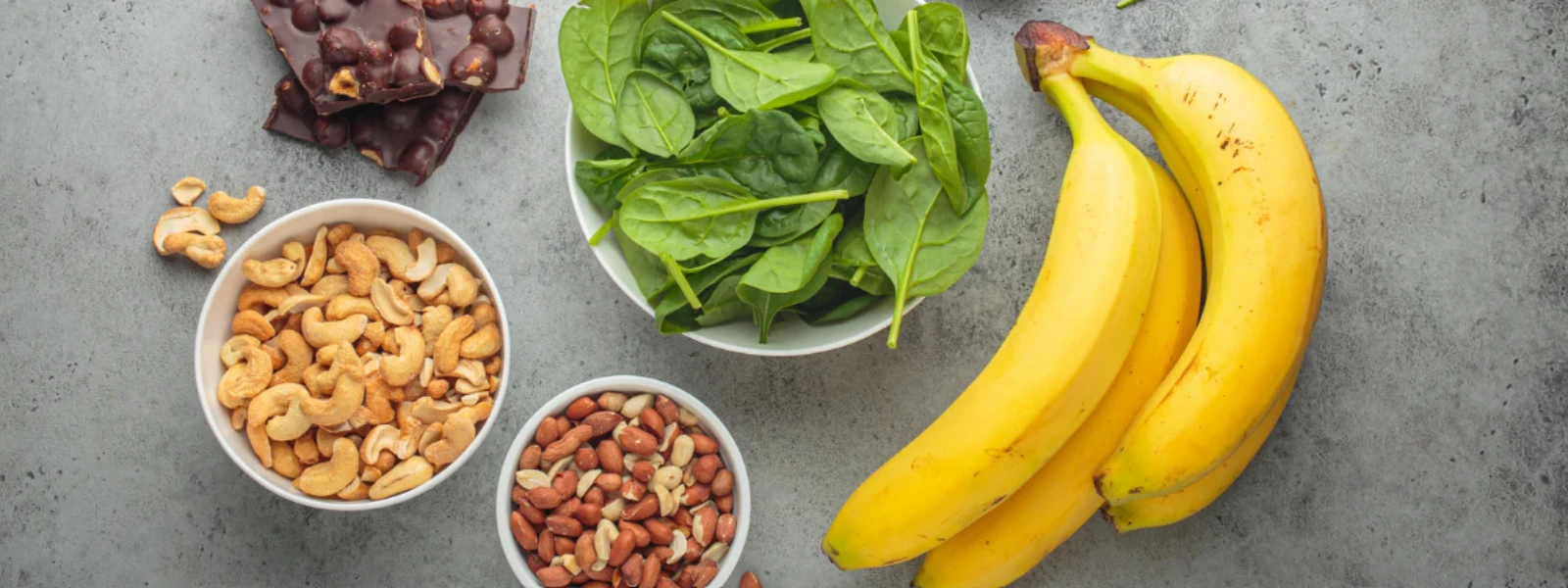


Following a vegetarian diet brings countless health benefits, but it also requires mindful attention to certain nutrients. Among these, B vitamins deserve special focus because they play crucial roles in energy production, brain function, and skin health. While many people assume vegetarians automatically face deficiencies, the truth is more nuanced and encouraging.
B vitamins are water-soluble nutrients that work together as a complex to support your body's cellular processes. For vegetarians, understanding which foods provide these essential nutrients becomes particularly important since some B vitamins are more abundant in animal products. However, with the right knowledge and food choices, vegetarians can easily meet their B vitamin needs while enjoying radiant skin and optimal wellness.
This comprehensive guide explores twelve vitamin B foods for vegetarians that can transform your nutritional profile. From familiar dairy products to surprising plant-based powerhouses, these foods offer practical solutions for maintaining optimal B vitamin levels without compromising your dietary preferences.
The B vitamin family consists of eight distinct nutrients, each with unique functions in your body. Thiamine (B1) supports nerve function and energy metabolism. Riboflavin (B2) helps convert food into energy and maintains healthy skin. Niacin (B3) promotes cardiovascular health and supports skin barrier function.
Pyridoxine (B6) plays a vital role in protein metabolism and neurotransmitter production. Folate (B9) is essential for DNA synthesis and red blood cell formation. Cobalamin (B12) supports nerve function and prevents certain types of anemia. Additionally, biotin (B7) and pantothenic acid (B5) contribute to healthy skin, hair, and metabolic processes.
Vegetarian diets naturally exclude certain B vitamin sources, particularly B12, which is primarily found in animal products. However, this doesn't mean vegetarians are destined for deficiency. Many plant foods and vegetarian-friendly animal products provide abundant B vitamins. The key lies in understanding which foods to prioritize and how to combine them effectively.
Research shows that well-planned vegetarian diets can provide adequate amounts of most B vitamins. The challenge lies in B12, which requires more intentional sourcing through fortified foods or supplements. Understanding these nuances helps vegetarians make informed choices about their nutritional needs.
Dairy products serve as excellent vegetarian b vitamins sources. One cup of milk provides significant amounts of riboflavin (B2), cobalamin (B12), and pantothenic acid (B5). Greek yogurt offers even higher concentrations due to its concentrated nature. These foods also provide protein and calcium, making them nutritional powerhouses for vegetarians.
The fermentation process in yogurt creation can actually increase certain B vitamin levels. Probiotic bacteria in yogurt may also support B vitamin synthesis in your digestive system, creating additional benefits beyond the vitamins naturally present in the dairy.
Different cheese types offer varying B vitamin profiles. Swiss cheese ranks among the best vegetarian b vitamin sources, providing substantial B12 along with other B vitamins. Cottage cheese offers excellent B2 and B12 content, while nutritional benefits vary across different cheese varieties based on aging and production methods.
Eggs deserve recognition as one of the most complete B vitamin foods available to vegetarians. Two large eggs provide significant portions of your daily B2, B5, B6, B7, B9, and B12 needs. The bioavailability of B vitamins in eggs is exceptionally high, meaning your body can easily absorb and utilize these nutrients.
Did You Know?
Egg yolks contain the highest concentration of B vitamins, particularly biotin and B12. While egg whites are often praised for protein content, the yolks provide the majority of essential B vitamins.
Nutritional yeast stands out as one of the most concentrated plant-based b vitamins sources available. This deactivated yeast provides a complete spectrum of B vitamins, including significant amounts of B12 when fortified. Two tablespoons can provide your entire daily B12 requirement, making it invaluable for vegetarians and vegans.
Beyond its impressive B vitamin profile, nutritional yeast offers a savory, cheese-like flavor that enhances many dishes. Its versatility makes it easy to incorporate into daily meals, from sprinkling on salads to blending into sauces and soups.
Many breakfast cereals are fortified with B vitamins, particularly B12, making them excellent natural vegetarian b vitamin foods when combined with fortified plant milk. Almond, soy, and oat milks often contain added B vitamins, creating a nutrient-dense breakfast combination.
When selecting fortified products, reading labels becomes crucial. Look for cereals and plant milks that provide at least 25% of your daily B vitamin needs per serving. These products can significantly contribute to your overall B vitamin intake when chosen wisely.
Various mushroom varieties provide different B vitamins, with shiitake and portobello mushrooms leading the pack. These fungi naturally synthesize B vitamins, making them unique among plant foods. Mushrooms also provide umami flavor, enhancing the taste of vegetarian dishes while boosting nutritional content.
Lentils, chickpeas, black beans, and other legumes serve as excellent sources of folate (B9), thiamine (B1), and niacin (B3). These affordable, versatile ingredients form the foundation of many vegetarian diets worldwide. One cup of cooked lentils provides nearly 90% of your daily folate needs.
These popular fruits contribute meaningful amounts of B vitamins to vegetarian diets. Avocados provide folate, niacin, and pantothenic acid, while bananas offer B6 and biotin. Their natural sugars and healthy fats make them perfect for energy and skin health support.
Vitamin B12 deserves special attention in vegetarian nutrition because it's primarily found in animal products. However, several vegetarian-friendly sources can help maintain adequate levels. Fortified foods represent the most reliable plant-based sources, while certain algae and fermented foods may provide small amounts.
Nori seaweed contains bioavailable B12, though amounts vary significantly between products and preparation methods. While not as reliable as fortified foods, incorporating seaweed into your diet can contribute to overall B12 intake. However, relying solely on seaweed for B12 needs isn't recommended.
Many plant-based meat substitutes are fortified with B12 and other B vitamins. These products can help bridge nutritional gaps while providing familiar textures and flavors. Reading nutrition labels helps identify products with the highest B vitamin content.
Combining different B vitamin sources throughout the day ensures comprehensive coverage. Pairing fortified cereals with nutritional yeast, adding eggs to vegetable dishes, or incorporating dairy products with plant-based meals creates synergistic nutritional benefits.
B vitamin deficiencies can manifest through fatigue, skin problems, mood changes, or cognitive issues. Early recognition allows for dietary adjustments before serious health consequences develop. Regular blood testing can help monitor B vitamin status, particularly B12 levels.
While food sources should always be prioritized, supplements may be necessary for certain B vitamins, particularly B12. Quality b complex for vegetarians supplements can provide insurance against deficiencies while supporting optimal health outcomes.
Creating meals that maximize B vitamin intake while supporting skin health becomes easier with the right combinations. Consider these approaches for incorporating skin-healthy vegetarian foods into your routine.
Start your day with a B vitamin-rich smoothie combining fortified plant milk, nutritional yeast, banana, and spinach. Alternatively, prepare scrambled eggs with mushrooms and nutritional yeast for a protein-rich, B vitamin-dense meal that supports morning energy and skin health.
Lentil soups with nutritional yeast provide comfort and nutrition. Quinoa bowls topped with avocado, chickpeas, and tahini create complete amino acid profiles while delivering essential B vitamins. These meals support sustained energy and promote healthy skin from within.
Greek yogurt with banana slices offers B vitamins alongside probiotics. Hummus with vegetables provides folate and other B vitamins. These snacks maintain energy levels while contributing to daily B vitamin goals.
Understanding how to maximize B vitamin absorption enhances their beneficial effects. Some B vitamins work synergistically, while others require specific conditions for optimal uptake. Avoiding excessive alcohol consumption and managing stress levels support B vitamin utilization.
Cooking methods can affect B vitamin content. Water-soluble B vitamins can be lost through excessive cooking in water. Steaming, sautéing, or consuming foods raw when appropriate helps preserve B vitamin content.
Most B vitamins can be obtained through well-planned vegetarian diets that include dairy, eggs, fortified foods, and diverse plant sources. However, B12 often requires supplementation or consistent consumption of fortified foods, especially for strict vegetarians.
Nutritional yeast ranks highest among plant foods for B vitamin content, particularly when fortified with B12. Legumes provide excellent folate and other B vitamins, while fortified cereals and plant milks offer comprehensive B vitamin profiles.
Adults need approximately 2.4 micrograms of B12 daily. Vegetarians should aim slightly higher due to potential absorption challenges and should monitor their B12 status through regular blood testing to ensure adequate levels.
While food sources should be prioritized, B12 supplementation is often recommended for vegetarians, especially those who don't regularly consume fortified foods or dairy products. Other B vitamins can usually be obtained through diverse food choices.
Yes, B vitamins are water-soluble and heat-sensitive. Steaming, quick sautéing, or eating foods raw when safe helps preserve B vitamin content. Avoid boiling vegetables in large amounts of water, which can leach B vitamins.
Meeting your B vitamin needs as a vegetarian is entirely achievable with knowledge and planning. The twelve foods discussed in this guide provide diverse, delicious options for maintaining optimal B vitamin status while supporting skin health and overall wellness. From the B vitamin powerhouse of nutritional yeast to the complete nutrition package found in eggs, vegetarians have access to numerous high-quality sources.
Remember that individual needs vary, and what works for one person may need adjustment for another. Pay attention to your body's signals, consider regular testing for B12 levels, and don't hesitate to work with healthcare providers to optimize your nutritional approach. By incorporating these B vitamin-rich foods into your daily routine, you're investing in long-term health, radiant skin, and sustained energy that supports your vegetarian lifestyle goals.



