Vitamin B12-Rich Veg Foods for a Healthy Plant-Based Diet
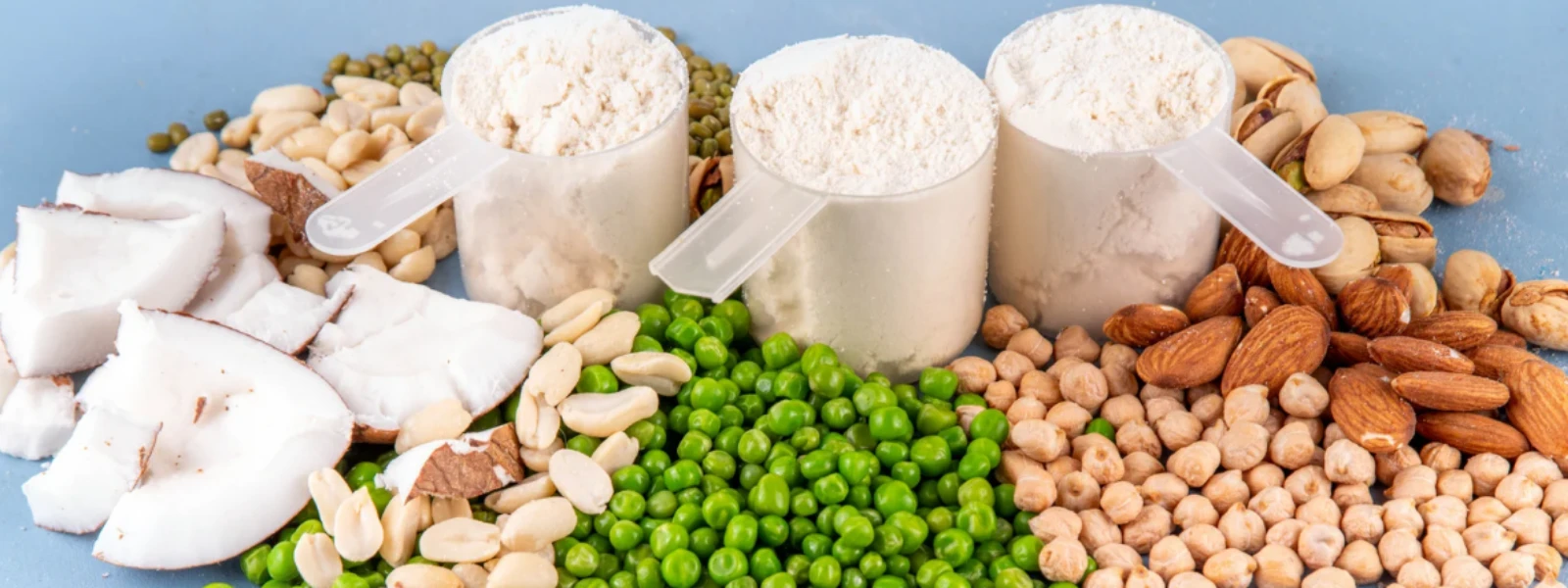


Maintaining healthy Vitamin B12 levels on a plant-based diet can feel like a puzzle. This essential nutrient plays a crucial role in energy production, nerve function, and surprisingly, skin health. While many associate B12 deficiency with fatigue, its impact on your complexion is equally significant. From dull skin to premature aging, inadequate B12 can affect your natural glow. This guide explores twelve vitamin B12 rich foods veg options that support both your health goals and beauty aspirations, proving that a thoughtful vegetarian diet can provide the nutrients your body craves.
Vitamin B12, also known as cobalamin, is a water-soluble vitamin that your body cannot produce naturally. This nutrient is essential for DNA synthesis, red blood cell formation, and maintaining healthy nerve function. What makes B12 particularly interesting for beauty enthusiasts is its role in cellular regeneration and collagen synthesis.
Your skin is your body's largest organ, constantly renewing itself through cellular turnover. B12 deficiency skin issues can manifest as pale complexion, hyperpigmentation, or even vitiligo-like patches. The vitamin supports healthy cell division, which directly impacts how quickly your skin repairs and regenerates. B12 benefits for skin extend beyond surface-level improvements, influencing the production of healthy red blood cells that deliver oxygen to skin tissues.
Research published in the Journal of Cosmetic Dermatology suggests that adequate B12 levels support the skin's natural barrier function and may help prevent premature aging. The recommended daily intake for adults is 2.4 micrograms, but vegetarians often need to be more strategic about meeting this requirement through vegetarian B12 sources.
For vegetarians who include dairy in their diet, these foods offer excellent B12 content along with other skin-supporting nutrients.
One cup of plain Greek yogurt provides approximately 1.3 micrograms of B12, covering over half your daily needs. The probiotics in yogurt support gut health, which directly influences skin clarity through the gut-skin axis. Choose varieties without added sugars to maximize B12 importance for beauty without compromising your skin goals.
Swiss cheese leads the pack with about 0.9 micrograms of B12 per ounce, while mozzarella and cheddar provide moderate amounts. These B12 rich vegetables alternatives offer protein and calcium alongside their B12 content, supporting overall skin structure and health.
One cup of low-fat milk contains roughly 1.2 micrograms of B12. The vitamin D fortification in most milk products works synergistically with B12 for optimal absorption and skin health benefits.
The world of plant-based b12 rich foods has expanded dramatically, thanks to fortification technologies that make vegan B12 intake more achievable.
Two tablespoons of fortified nutritional yeast can provide up to 8 micrograms of B12, far exceeding daily requirements. This deactivated yeast has a nutty, cheese-like flavor that makes it perfect for B12 rich plant-based meals. Sprinkle it on salads, pasta, or popcorn for an easy B12 boost.
Pro Tip: Absorption Matters
Your body absorbs B12 best in small doses throughout the day rather than one large amount. This is because intrinsic factor, a protein needed for B12 absorption, can only process about 2.4 micrograms at a time.
Soy, almond, and oat milks often contain added B12, with levels ranging from 0.6 to 3 micrograms per cup. These best vegan b12 foods options also provide other skin-supporting nutrients like Vitamin E and healthy fats that contribute to skin elasticity and hydration.
Many whole-grain cereals are fortified with B12, providing anywhere from 6 to 12 micrograms per serving. Look for cereals with minimal added sugars to support both your B12 needs and skin health goals.
Some brands fortify their soy products with B12, making them excellent additions to a B12 rich vegan diet. These protein sources also provide isoflavones, compounds that may support skin elasticity and reduce signs of aging.
While true plant sources of B12 are rare, some natural options provide modest amounts of this essential vitamin.
Certain mushroom varieties contain small amounts of B12, particularly when dried. While not sufficient as primary sources, they can contribute to overall intake when included regularly in meals. One cup of shiitake mushrooms provides approximately 0.1 micrograms of B12.
Some seaweed varieties, particularly nori and chlorella, contain B12-like compounds. However, research suggests these may not be bioavailable forms that your body can effectively use. Include these as part of a varied diet rather than primary B12 sources.
Traditional fermented foods like kimchi, sauerkraut, and kefir may contain trace amounts of B12 from bacterial fermentation. While these shouldn't be relied upon as primary sources, they support gut health, which enhances overall nutrient absorption.
Even with careful food choices, many vegetarians benefit from B12 supplements for vegans to ensure adequate intake and prevent deficiency-related skin and health issues.
B12 supplements come in several forms: cyanocobalamin, methylcobalamin, and adenosylcobalamin. Cyanocobalamin is the most stable and widely studied form, making it an excellent choice for most people. Methylcobalamin may be preferred for those with certain genetic variations affecting B12 metabolism.
For vegetarians at risk of deficiency, doses of 250-1000 micrograms daily are commonly recommended. Higher doses are safe because B12 is water-soluble, and excess amounts are excreted through urine.
Take B12 supplements on an empty stomach for better absorption, or with a meal if stomach irritation occurs. Avoid taking large doses with calcium supplements, as calcium can interfere with B12 absorption.
Understanding how to optimize B12 absorption and utilization can enhance its benefits for skin health and overall wellness.
Folate works closely with B12 in cellular processes. Ensure adequate folate intake through leafy greens, legumes, and fortified foods. Vitamin D and magnesium also support B12 metabolism and overall skin health.
Certain medications, including proton pump inhibitors and metformin, can interfere with B12 absorption. Excessive alcohol consumption and smoking also deplete B12 levels. Managing stress through adequate sleep and regular exercise supports overall nutrient utilization.
Successful B12 rich plant-based meals combine multiple sources throughout the day. Start with fortified cereal and plant milk for breakfast, add nutritional yeast to lunch salads, and include dairy products or fortified foods at dinner. This approach ensures consistent B12 intake while supporting steady energy levels and skin health.
While possible through careful food selection, many vegetarians benefit from supplements to ensure adequate intake. Lacto-vegetarians who consume dairy regularly may meet needs through food alone, but vegans typically require fortified foods or supplements.
Skin improvements from addressing B12 deficiency typically become noticeable within 4-8 weeks of consistent adequate intake. However, severe deficiency may take several months to fully resolve.
B12 is generally safe even in high doses because it's water-soluble. However, very high doses may interfere with the absorption of other B vitamins. Stick to recommended dosages unless advised otherwise by a healthcare provider.
B12 is relatively stable during cooking, though some loss occurs with prolonged high-heat cooking. Steaming and light sautéing preserve more B12 than boiling or extensive cooking.
Eggs contain some B12, but vegetarians who rely heavily on eggs without other B12 sources may still be at risk. One large egg provides only about 0.6 micrograms, so additional sources are usually necessary.
Meeting your B12 needs on a vegetarian diet requires awareness and planning, but it's entirely achievable with the right approach. From dairy products and fortified foods to strategic supplementation, numerous options support both your health goals and skin vitality. The key is consistency and variety, ensuring your body receives adequate B12 to support cellular regeneration, energy production, and that natural glow from within. By incorporating these vitamin B12 rich foods veg options into your daily routine, you're investing in both immediate wellness and long-term health benefits. Remember that everyone's needs are different, and consulting with a healthcare provider can help you develop the most effective B12 strategy for your individual lifestyle and health goals.



