Collagen has officially moved from beauty buzzword to wellness essential.
Search trends for collagen supplements for skin, collagen for hair growth, and collagen peptides for joints have exploded over the past few years. Social feeds celebrate it. Dermatologists discuss it. Athletes quietly rely on it for recovery.
But popularity comes with a problem.
The market is now flooded with products that look impressive on the label but offer little real benefit. Some contain minimal active peptides. Others lack proper testing or meaningful formulation.
Which means the real question in 2026 is not whether to take collagen. It is how to choose a collagen protein supplement that genuinely supports your body.
Why Collagen?

Collagen is not just another wellness trend. It is the most abundant structural protein in the human body, forming the scaffolding of skin, cartilage, bones, ligaments, and connective tissues.
In your twenties, your body produces collagen generously. But around age 25, production quietly begins to decline by roughly 1–1.5% every year (NIH). Add modern stressors like pollution, high sugar diets, UV exposure, and sleep disruption, and the breakdown accelerates.
This gradual depletion shows up as:
-
Loss of skin firmness and elasticity
-
Fine lines and dullness
-
Thinning hair
-
Brittle nails
-
Stiff joints
-
Reduced recovery after workouts

This is where collagen supplementation enters the conversation.
High-quality hydrolyzed collagen peptides can provide the amino acid building blocks needed for collagen synthesis. Research suggests these peptides may stimulate fibroblasts, the cells responsible for producing collagen in the skin (NIH).
But effectiveness depends heavily on quality, formulation, and absorption. That is why choosing the right collagen protein matters more than simply buying the most attractive jar.
Understanding the Different Types of Collagen
Before choosing a supplement, it helps to understand the main collagen types your body uses.
Type I Collagen
This is the most abundant form of collagen protein in the body, forming the structural framework of skin, bones, tendons, and connective tissues. It plays a major role in maintaining skin elasticity, hair strength, and nail growth, which is why it is often prioritized in collagen supplements for skin health and anti-aging (NIH).
Type II Collagen
Type II collagen is primarily found in cartilage, the cushioning tissue that protects joints and supports smooth movement. It helps maintain joint flexibility, mobility, and cartilage integrity, making it particularly valuable for individuals focused on joint health and active recovery (NIH).
Type III Collagen
Type III collagen works closely with Type I and is commonly found in skin, blood vessels, and internal organs. It contributes to skin firmness, tissue elasticity, and structural support, playing an important role in maintaining youthful skin and healthy connective tissues (NIH).
Most effective formulas focus on Type I and Type III collagen peptides, especially when targeting skin health, hair growth, and anti-aging benefits.
The key is ensuring the collagen is hydrolyzed, meaning the protein is broken into smaller peptides that the body can absorb efficiently. Without hydrolysis, absorption becomes far less effective.
The Importance of Absorption and Bioavailability
Many people assume collagen works simply by swallowing it. Biology is more sophisticated than that.
Once ingested, collagen protein is broken down into peptides and amino acids. Some of these peptides enter circulation and signal the body to produce more collagen naturally. This signaling effect is one reason collagen peptides for skin have gained strong research support (NIH).
However, bioavailability improves dramatically when collagen is paired with supportive nutrients such as:
-
Vitamin C, which plays a key role in collagen synthesis
-
Biotin, known for supporting hair and nail health
-
Zinc, important for tissue repair
-
Hyaluronic acid, which supports skin hydration
Modern formulations often include these cofactors to amplify results. This synergy is what separates average supplements from truly effective collagen brands.
Why Third-Party Testing Matters
Supplements operate in a complex regulatory space, and quality can vary dramatically between products.
That is where third-party testing becomes essential.
Independent lab verification ensures that a collagen supplement actually contains what it claims. It also confirms the absence of contaminants such as heavy metals, toxins, or harmful residues.
When evaluating collagen supplements, look for brands that provide:
-
Verified purity testing
-
Transparent ingredient sourcing
-
Quality certifications
-
Clinical-grade manufacturing standards
These signals indicate a brand that prioritizes science over marketing. In a crowded marketplace, third-party testing is one of the most reliable trust markers consumers can rely on.
Choosing the Right Collagen Source
The origin of collagen can influence both absorption and sustainability. Common sources include:
Marine Collagen
Derived from fish, marine collagen is particularly rich in Type I collagen, making it highly effective for skin elasticity, wrinkle reduction, and hair strength. It also tends to have smaller peptide sizes, which may enhance absorption.
Bovine Collagen
Sourced from cattle, bovine collagen contains Type I and Type III collagen, supporting skin, joints, and connective tissues.
Plant-Based Collagen Boosters
Plants do not contain collagen, but some supplements combine amino acids and nutrients that support the body’s natural collagen production.
The best choice depends on your personal goals, dietary preferences, and sustainability priorities.
The Science of Collagen Dosage
One of the most overlooked factors in collagen effectiveness is dosage. Too little, and the body may not receive enough amino acids to trigger meaningful collagen synthesis.
Clinical studies generally suggest that 2.5 to 10 grams of collagen peptides per day can support benefits such as improved skin elasticity, wrinkle reduction, and joint comfort. This is where a clear dosage guide becomes valuable (NIH).
When choosing a supplement, check:
-
Collagen peptide amount per serving
-
Whether dosing aligns with clinical research
-
Consistency of daily intake recommendations
A scientifically informed dosage guide ensures you are not under-supplementing or wasting product. Consistency over several weeks is also key. Most studies observe visible benefits after 8–12 weeks of regular use (NIH).
What Makes Certain Collagen Brands More Effective
With hundreds of products available, the difference between ordinary and effective collagen brands often lies in formulation intelligence.
The most reliable supplements typically include:
-
Hydrolyzed collagen peptides for absorption
-
Supportive nutrients like vitamin C and biotin
-
Clean ingredient sourcing
-
Transparent labeling
-
Strong quality control
Brands that combine bioavailable collagen peptides with complementary nutrients tend to produce more noticeable results for skin hydration, wrinkle reduction, and hair strength.
This integrated approach mirrors how the body naturally builds collagen.
Among emerging formulations, Wellbeing Nutrition collagen stands out for combining science-driven design with clean ingredient sourcing.
The formula focuses on highly bioavailable collagen peptides supported by essential nutrients that enhance collagen synthesis.
By emphasizing ingredient transparency, advanced formulation, and third-party testing, wellbeing nutrition collagen reflects the next generation of premium supplements designed for modern wellness routines.
For individuals looking to support skin elasticity, hair growth, joint mobility, and overall connective tissue health, such thoughtfully formulated products offer a more holistic approach than standalone collagen powders.
Lifestyle Habits That Boost Collagen Naturally
Even the best collagen protein works most effectively when paired with supportive lifestyle choices. Collagen health depends on the broader metabolic environment of the body.
You can naturally support collagen production by:
-
Eating vitamin C rich foods: Citrus fruits, berries, and bell peppers support collagen synthesis.
-
Managing sugar intake: Excess sugar accelerates glycation, a process that damages collagen fibers.
-
Prioritizing sleep: Deep sleep supports tissue repair and protein synthesis.
-
Protecting skin from UV exposure: Sun damage is one of the biggest contributors to collagen breakdown.
-
Including protein-rich foods: Amino acids from eggs, fish, and legumes support connective tissue health.
Think of supplements as collaborators rather than replacements for healthy habits.
The Bottom Line
The real power of collagen protein lies in choosing it wisely.
A high-quality collagen supplement can support skin elasticity, stronger hair, healthier joints, and overall connective tissue resilience. But effectiveness depends on thoughtful formulation, clean sourcing, clinically informed dosing, and transparent testing.
Look for supplements that combine hydrolyzed collagen peptides, supportive nutrients, verified third-party testing, and a clear dosage guide.
When these elements come together, collagen stops being just another powder in your cabinet. It becomes a quiet, daily investment in how your body repairs, strengthens, and renews itself from the inside out.
FAQs
1. How do you choose the best collagen protein supplement?
To choose the best collagen protein supplement, look for hydrolyzed collagen peptides, clinically supported ingredients like vitamin C, and transparent sourcing. Products that provide third-party testing and a clear dosage guide are more likely to deliver real benefits for skin, hair, and joint health.
2. What is the most effective type of collagen for skin and hair?
Type I and Type III collagen peptides are considered the most effective for improving skin elasticity, hair growth, and nail strength. These forms of collagen protein are commonly used in high-quality collagen supplements for skin health because they closely match the collagen naturally found in the skin.
3. How much collagen should you take daily?
Most research suggests a daily intake of 2.5–10 grams of collagen peptides for visible benefits such as improved skin hydration, wrinkle reduction, and joint comfort. Following a consistent dosage guide and taking collagen daily for at least 8–12 weeks can help maximize results.
4. Why is hydrolyzed collagen better than regular collagen?
Hydrolyzed collagen, also called collagen peptides, is broken down into smaller amino acid chains that are easier for the body to absorb. This improved bioavailability helps the body utilize collagen protein more efficiently for supporting skin structure, connective tissue repair, and joint function.
5. Do collagen supplements really help with skin aging?
Many studies suggest that collagen supplements for skin may help improve skin elasticity, hydration, and wrinkle appearance over time. By supplying the amino acids needed for collagen synthesis, high-quality collagen protein supplements can support the body’s natural repair and regeneration processes.
6. Why is third-party testing important for collagen supplements?
Third-party testing ensures that a collagen supplement contains the ingredients and dosage listed on its label. It also confirms that the product is free from contaminants like heavy metals or toxins, making it a key factor when evaluating effective collagen brands.
7. Which collagen brands are considered reliable in 2026?
The most effective collagen brands focus on hydrolyzed peptides, transparent ingredient sourcing, and verified third-party testing. Formulations such as Wellbeing Nutrition collagen emphasize bioavailable peptides and supportive nutrients that enhance collagen synthesis for skin, hair, and joint health.

Recommended Products
 Beauty Collagen Strawberry Watermelon Flavour
₹1,939 – ₹7,196
Beauty Collagen Strawberry Watermelon Flavour
₹1,939 – ₹7,196
 Beauty Korean Marine Collagen Peptides Mango Peach Flavour
₹1,939 – ₹7,196
Beauty Korean Marine Collagen Peptides Mango Peach Flavour
₹1,939 – ₹7,196
 Glow Korean Marine Collagen Peptides with Liposomal Glutathione & Vitamin C | Tropical Bliss Flavour | 250g
₹1,939 – ₹7,196
Glow Korean Marine Collagen Peptides with Liposomal Glutathione & Vitamin C | Tropical Bliss Flavour | 250g
₹1,939 – ₹7,196
 Glow Korean Marine Collagen Peptides with Liposomal Glutathione & Vitamin C | Valencia Orange Flavour | 250g
₹1,939 – ₹7,196
Glow Korean Marine Collagen Peptides with Liposomal Glutathione & Vitamin C | Valencia Orange Flavour | 250g
₹1,939 – ₹7,196
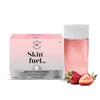 Glutathione Skin Fuel Pro+ Strawberry Flavour
₹1,044 – ₹5,803
Glutathione Skin Fuel Pro+ Strawberry Flavour
₹1,044 – ₹5,803
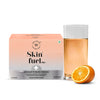 Glutathione Skin Fuel Pro+ Valencia Orange Flavour
₹879 – ₹5,275
Glutathione Skin Fuel Pro+ Valencia Orange Flavour
₹879 – ₹5,275
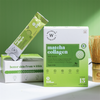 Matcha Collagen
₹1,614
Matcha Collagen
₹1,614
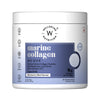 Korean Marine Collagen - Blueberry Mint
₹1,018 – ₹1,993
Korean Marine Collagen - Blueberry Mint
₹1,018 – ₹1,993
 Vegan Pro Collagen Lemon Lime
₹1,745 – ₹3,418
Vegan Pro Collagen Lemon Lime
₹1,745 – ₹3,418
 Vegan Pro Collagen Mixed Berries
₹1,745 – ₹3,418
Vegan Pro Collagen Mixed Berries
₹1,745 – ₹3,418