6 Must-Know Collagen Benefits for Healthy Hair
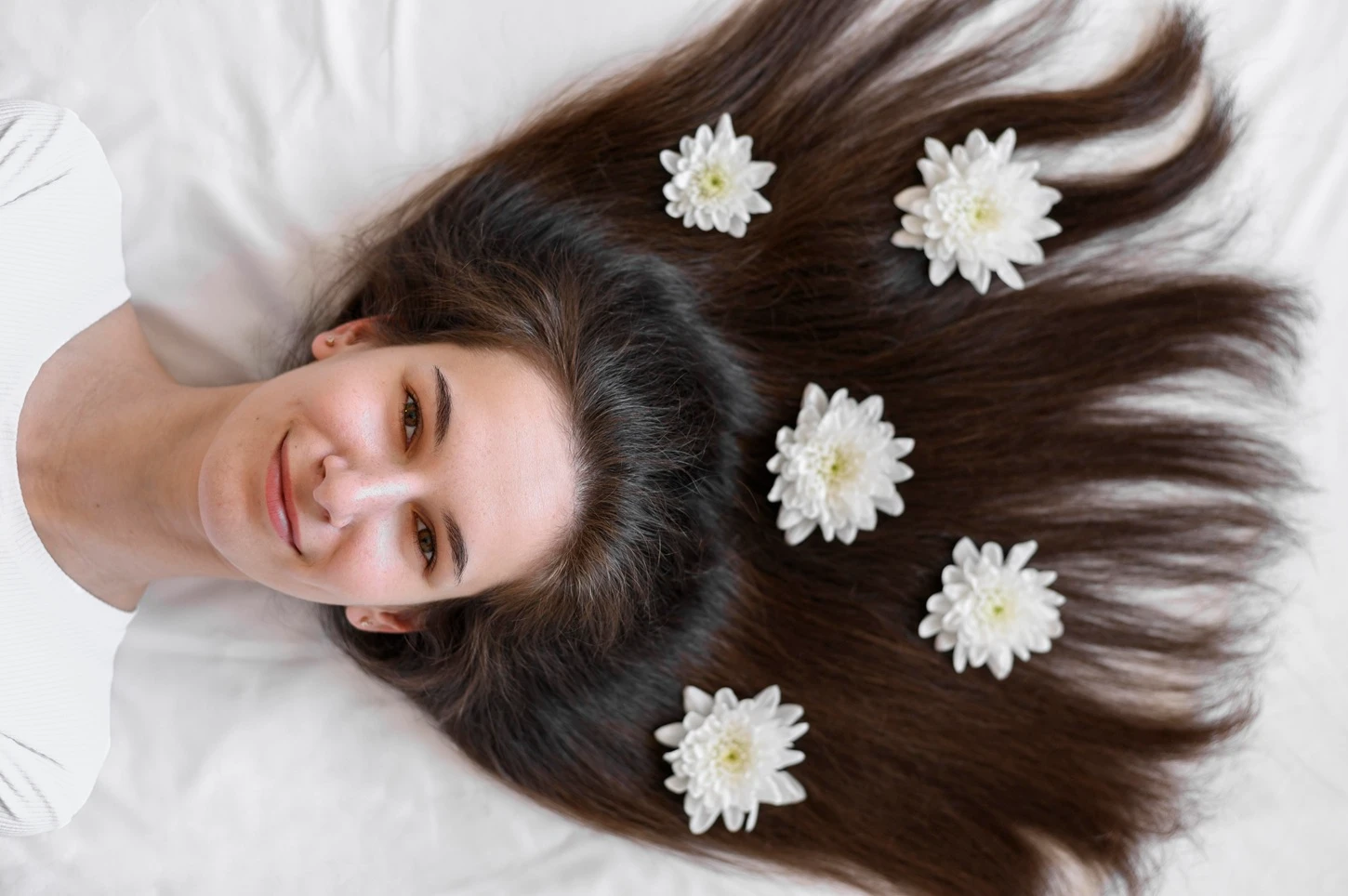


Your hair is more than just a beauty statement—it's a reflection of your overall health and nutritional status. While countless products promise lustrous locks, the secret to truly healthy hair might be found in a protein that's already naturally present in your body: collagen. This structural protein, which makes up approximately 30% of your body's total protein content, plays a crucial role in maintaining hair strength, thickness, and overall vitality.
Recent research has revealed compelling connections between collagen supplementation and hair health, with studies showing that collagen peptides can significantly improve hair diameter and reduce breakage. As we age, our natural collagen production declines by approximately 1% per year after age 25, potentially impacting not just our skin and joints, but our hair quality as well.
This comprehensive guide explores six scientifically-backed collagen benefits for hair health, examining how this powerful protein works at the cellular level to support your hair from root to tip. You'll discover the mechanisms behind collagen's hair-enhancing properties, learn about optimal supplementation strategies, and understand how to integrate collagen into your daily routine for maximum hair health benefits.
Hair follicles are complex structures that rely heavily on collagen for their integrity and function. Type I and Type III collagen form the foundation of the hair follicle's dermal papilla, the specialized structure that nourishes hair growth. When collagen levels are optimal, hair follicles receive better structural support, leading to stronger, more resilient hair strands.
The hair growth cycle consists of three phases: anagen (growth), catagen (transition), and telogen (resting). Collagen influences each phase by providing essential amino acids like glycine, proline, and hydroxyproline that are crucial for keratin synthesis—the protein that makes up 95% of your hair shaft.
Collagen supplementation provides the building blocks necessary for stronger hair strands. The amino acid profile in collagen, particularly cysteine and methionine, supports the formation of disulfide bonds that give hair its tensile strength. These bonds act like tiny bridges within each hair strand, creating a network that resists damage from brushing, styling, and environmental factors.
Did You Know?
Hair is remarkably strong for its size—a single strand can support up to 100 grams of weight. When fortified with adequate collagen-derived amino acids, this strength can increase by up to 20%, making your hair more resistant to daily styling damage and environmental stressors.
Collagen benefits for hair extend beyond strength to include enhanced thickness and volume. The protein provides essential nutrients that support the dermal papilla cells responsible for hair follicle size and hair shaft diameter. When these cells receive adequate collagen-derived amino acids, they can produce thicker, more voluminous hair strands that create the appearance of fuller hair overall.
While genetics primarily determine hair growth rate, collagen can optimize the conditions for maximum growth potential. The amino acids in collagen support cellular metabolism in hair follicles, potentially increasing the anagen phase duration. This extended growth phase allows hair to reach its maximum length potential while maintaining healthy structure throughout the growth process.
Collagen's antioxidant properties help protect hair follicles from oxidative stress, a primary contributor to premature graying and hair aging. The glycine content in collagen supports glutathione production, one of the body's most powerful antioxidants. This protection helps maintain melanocyte function, the cells responsible for hair pigmentation.
A healthy scalp is fundamental to healthy hair growth. Collagen supports blood vessel integrity and promotes better circulation to hair follicles. Enhanced microcirculation ensures that hair follicles receive optimal nutrients and oxygen, creating an environment conducive to robust hair growth.
Collagen's hygroscopic properties help hair retain moisture more effectively. The protein's ability to bind water molecules translates to better-hydrated hair strands that appear shinier and feel softer. This natural moisture retention reduces the need for heavy conditioning products and helps maintain hair's natural luster.
Not all collagen supplements are created equal when it comes to hair benefits. Type I collagen, which makes up 90% of the body's collagen, is most beneficial for hair health. Look for hydrolyzed collagen peptides with molecular weights between 2,000-5,000 Daltons for optimal absorption and bioavailability. Products featuring superior ingredients, highly absorbable formats, palatable flavors ensure you can maintain consistent daily supplementation without taste fatigue or absorption issues.
Research suggests that 10-20 grams of collagen peptides daily provides optimal benefits for hair health. Taking collagen powder for hair on an empty stomach, preferably in the morning, enhances absorption. Vitamin C supplementation (100-200mg) alongside collagen can improve synthesis and utilization.
For maximum effectiveness, combine collagen supplementation with biotin (2.5mg daily), zinc (8-11mg daily), and iron (18mg for women, 8mg for men). These nutrients work synergistically with collagen to support comprehensive hair health.
Hair growth is a gradual process, and collagen benefits for hair follow a predictable timeline. Initial improvements in hair texture and manageability may be noticed within 4-6 weeks. Significant changes in hair strength and thickness typically become apparent after 8-12 weeks of consistent supplementation. For optimal results, commit to at least 6 months of regular collagen use.
Individual results vary based on age, baseline collagen levels, overall health status, and genetic factors. Younger individuals (under 30) may see results more quickly, while those over 40 might require longer supplementation periods due to naturally declining collagen production.
When selecting the best collagen for hair, prioritize products that are third-party tested, non-GMO, and free from artificial additives. Look for certifications from organizations like NSF International or USP (United States Pharmacopeia) to ensure purity and potency.
Marine collagen, derived from fish, offers superior bioavailability compared to bovine sources. However, both can be effective when properly processed. Choose collagen that has been enzymatically hydrolyzed rather than acid-processed for better absorption and reduced molecular weight.
Collagen deficiency manifests in hair through increased breakage, thinning, slower growth rates, and premature graying. Hair may also become more brittle, lose its natural shine, and feel rough to the touch. These changes often become noticeable in the late twenties or early thirties as natural collagen production begins to decline.
UV exposure, smoking, excessive sugar consumption, and chronic stress accelerate collagen breakdown. Understanding these factors helps optimize collagen supplementation effectiveness and supports overall hair health maintenance.
Yes, collagen supplementation can improve hair growth by providing essential amino acids needed for keratin synthesis and supporting hair follicle health. However, results typically require 8-12 weeks of consistent use to become noticeable.
Marine collagen generally offers superior bioavailability due to its smaller molecular size and closer similarity to human collagen. However, both marine and bovine collagen can be effective for hair health when properly processed and hydrolyzed.
Research suggests 10-20 grams of collagen peptides daily for optimal hair benefits. Start with 10 grams and gradually increase if needed. Taking collagen with Vitamin C can enhance absorption and effectiveness.
While collagen-rich foods like bone broth, fish, and chicken skin provide some collagen, the amounts are typically insufficient for therapeutic hair benefits. Supplementation provides concentrated, bioavailable collagen peptides that are more effectively utilized by the body.
Collagen supplements are generally well-tolerated with minimal side effects. Some individuals may experience mild digestive upset initially, which typically resolves within a few days. Those with fish or shellfish allergies should avoid marine collagen products.
Collagen represents a scientifically-backed approach to supporting hair health from within. The six key benefits—enhanced strength, improved thickness, faster growth, protection against aging, better scalp health, and increased moisture retention—demonstrate collagen's comprehensive impact on hair vitality. Understanding how to properly use collagen for hair, including optimal dosing, timing, and complementary nutrients, maximizes the potential for visible improvements.
The evidence supporting collagen benefits for hair continues to grow, with recent studies confirming its role in reducing breakage, increasing diameter, and supporting overall hair quality. While individual results may vary, consistent supplementation with high-quality collagen peptides offers a natural, effective strategy for maintaining healthy, resilient hair throughout the aging process.
For those seeking to optimize their hair health naturally, collagen supplementation provides a foundation that works synergistically with proper nutrition, gentle hair care practices, and a healthy lifestyle. Consider exploring premium collagen options that align with your specific hair goals and overall wellness objectives.




Someone sent you
Powered by ReferRush


