7 Natural Ways to Boost Collagen Production
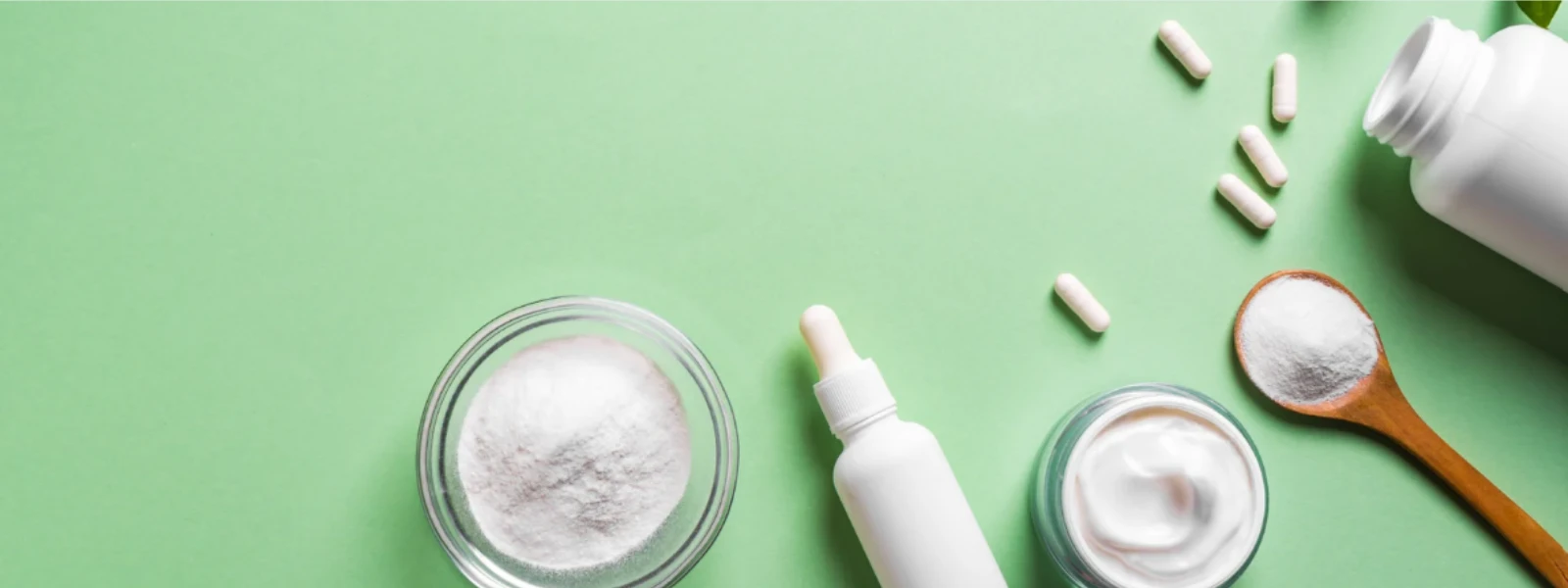


Your skin's natural collagen production peaks in your twenties and declines by about 1% each year after that. This gradual decrease leads to fine lines, reduced skin elasticity, and a loss of that youthful glow. But here's the good news: your body can still produce collagen naturally with the right support. Understanding how to produce collagen naturally through science-backed methods can help you maintain healthier, more resilient skin for years to come.
This comprehensive guide explores seven proven strategies that work with your body's natural processes to boost collagen production. From specific collagen boosting foods to lifestyle changes that support skin rejuvenation, you'll discover practical ways to enhance your skin's natural repair mechanisms without relying solely on expensive treatments.
Collagen is the most abundant protein in your body, making up about 30% of your total protein content. It acts as the scaffolding that gives your skin structure, strength, and elasticity. Think of collagen as the framework that keeps your skin firm and smooth.
Your body naturally produces collagen through a complex process involving amino acids, vitamins, and minerals. The primary building blocks are glycine, proline, and hydroxyproline - amino acids that your body combines to form collagen fibers. However, this natural collagen production slows down due to aging, sun exposure, stress, and poor nutrition.
Signs that your collagen levels may be declining include increased fine lines, reduced skin elasticity, slower wound healing, and joint stiffness. The good news is that supporting your body's natural collagen synthesis can help maintain healthier skin and overall well-being.
Your body needs adequate protein to produce collagen effectively. Bone broth stands out as one of the most beneficial collagen boosting foods because it contains glycine, proline, and hydroxyproline - the exact amino acids your body uses to build collagen. Simmering animal bones releases these nutrients in an easily absorbed form.
Fish, particularly those with skin and bones like salmon and sardines, provide high-quality protein along with omega-3 fatty acids that support skin health. Chicken, especially the skin and cartilage, contains significant amounts of collagen precursors. For plant-based options, combine legumes, quinoa, and hemp seeds to create complete amino acid profiles that support natural collagen production.
Vitamin C plays a crucial role in collagen synthesis by helping your body convert proline into hydroxyproline. Include citrus fruits, berries, bell peppers, and leafy greens in your daily meals. These anti-aging foods provide the vitamin C your body needs to maintain healthy collagen production.
Zinc and copper are equally important minerals. Zinc helps with collagen synthesis and wound healing, while copper assists in cross-linking collagen fibers for strength. Foods for healthy skin rich in these minerals include shellfish, pumpkin seeds, cashews, and dark chocolate.
Did You Know?
Your body can only absorb about 500mg of Vitamin C at one time. Spreading your intake throughout the day through foods like strawberries, kiwi, and broccoli ensures optimal absorption for collagen production.
Water makes up about 60% of collagen's structure, making proper hydration essential for maintaining skin elasticity. When you're dehydrated, your skin becomes less plump and more prone to fine lines. Aim for 8-10 glasses of water daily, adjusting for activity level and climate.
Foods with high water content like cucumbers, watermelon, and tomatoes contribute to your hydration while providing additional nutrients. These foods help maintain the moisture levels that keep your collagen fibers flexible and functional.
Your body repairs and regenerates collagen primarily during deep sleep phases. Growth hormone, released during sleep, stimulates collagen production and cellular repair. Poor sleep quality or insufficient rest can accelerate collagen breakdown and slow down natural repair processes.
Create a sleep-friendly environment by keeping your bedroom cool, dark, and quiet. Establish a consistent bedtime routine and aim for 7-9 hours of quality sleep each night to boost collagen naturally through your body's repair mechanisms.
UV radiation from sun exposure is one of the primary causes of collagen breakdown. UVA rays penetrate deep into your skin, damaging collagen fibers and accelerating aging. While some sun exposure is beneficial for Vitamin D production, protecting your skin is crucial for maintaining collagen levels.
Natural sun protection strategies include seeking shade during peak hours (10 AM to 4 PM), wearing protective clothing, and using broad-spectrum sunscreen. Additionally, consuming antioxidant-rich foods helps protect your existing collagen from free radical damage.
Include foods high in antioxidants like blueberries, green tea, dark leafy greens, and colorful vegetables in your collagen rich diet. These foods provide compounds that neutralize harmful free radicals and support your skin's natural defense systems.
Physical activity improves blood flow, delivering essential nutrients and oxygen to your skin cells. This enhanced circulation supports collagen production by ensuring your skin receives the building blocks it needs for repair and regeneration.
Cardiovascular exercises like walking, swimming, and cycling boost overall circulation. Strength training stimulates growth hormone production, which supports collagen synthesis. Yoga and stretching improve flexibility while promoting relaxation, which reduces stress hormones that can break down collagen.
Even moderate exercise for 30 minutes daily can significantly improve skin health. The increased blood flow helps remove waste products from skin cells while delivering fresh nutrients that support natural collagen production.
Natural collagen supplements derived from marine or bovine sources provide amino acids that support your body's collagen production. Marine collagen, in particular, has smaller peptides that may be more easily absorbed by your body.
Plant-based alternatives focus on providing the nutrients your body needs to produce its own collagen rather than supplying collagen directly. Ingredients like Vitamin C, silica from bamboo extract, and amino acids from plant proteins can effectively support natural collagen synthesis.
Taking natural collagen supplements on an empty stomach may improve absorption. Combining them with Vitamin C-rich foods or drinks can enhance their effectiveness. However, remember that supplements work best when combined with a balanced diet and healthy lifestyle habits.
Certain lifestyle factors accelerate collagen breakdown and should be minimized for optimal skin health. High sugar intake leads to glycation, a process where sugar molecules bind to collagen fibers, making them stiff and brittle. This process contributes to premature aging and reduced skin elasticity.
Smoking dramatically accelerates collagen breakdown by reducing blood flow to the skin and introducing harmful chemicals that damage collagen fibers. Excessive alcohol consumption dehydrates your body and depletes nutrients essential for collagen production.
Processed foods often contain inflammatory compounds that can interfere with natural collagen synthesis. Focus on whole, unprocessed foods to boost collagen naturally while avoiding substances that work against your skin health goals.
While topical treatments can't directly add collagen to your skin, they can support the environment where collagen production occurs. Gentle facial massage improves circulation, bringing nutrients to skin cells and promoting lymphatic drainage.
Natural ingredients like aloe vera, green tea, and rosehip oil provide antioxidants and nutrients that support skin health. Creating simple face masks with ingredients like honey, oatmeal, and mashed avocado can nourish your skin while you work on internal collagen support.
Consistent, gentle skincare routines that avoid harsh chemicals help maintain your skin's natural barrier function, creating optimal conditions for collagen production and maintenance.
Yes, your body continues to produce collagen throughout your life, though at a slower rate as you age. Supporting this natural process through proper nutrition, hydration, sleep, and lifestyle choices can help maintain and potentially increase collagen production. Most people notice improvements in skin texture and elasticity within 8-12 weeks of consistent healthy habits.
Bone broth, fish with skin, chicken with cartilage, and egg whites are excellent sources of collagen-building amino acids. For Vitamin C, focus on citrus fruits, berries, bell peppers, and leafy greens. Zinc-rich foods like pumpkin seeds, shellfish, and legumes also support collagen synthesis effectively.
Your skin replaces itself approximately every 28 days, so initial improvements may be visible within 4-6 weeks. However, significant changes in skin elasticity and fine lines typically become apparent after 2-3 months of consistent implementation of natural collagen-supporting habits.
While severely damaged collagen cannot be completely restored, your body can produce new collagen to replace damaged fibers over time. Supporting this natural repair process through proper nutrition, sun protection, and healthy lifestyle choices can help improve skin appearance and function gradually.
Natural methods work differently than cosmetic procedures by supporting your body's own collagen production rather than adding external collagen. While results may be more gradual, natural approaches provide long-term benefits for overall skin health and can be maintained safely over time without side effects.
Supporting your body's natural collagen production requires a comprehensive approach that combines proper nutrition, healthy lifestyle habits, and consistent care. The seven methods outlined here work synergistically to create an environment where your skin can maintain and produce collagen more effectively. Remember that natural collagen enhancement is a gradual process that rewards consistency and patience. By incorporating collagen boosting foods, maintaining proper hydration, protecting against environmental damage, staying active, and avoiding harmful habits, you're investing in long-term skin health that goes beyond surface-level improvements. Start with one or two methods that feel most manageable for your lifestyle, then gradually incorporate additional strategies as they become routine.



