7 Powerful Biotin Benefits for Luscious Hair
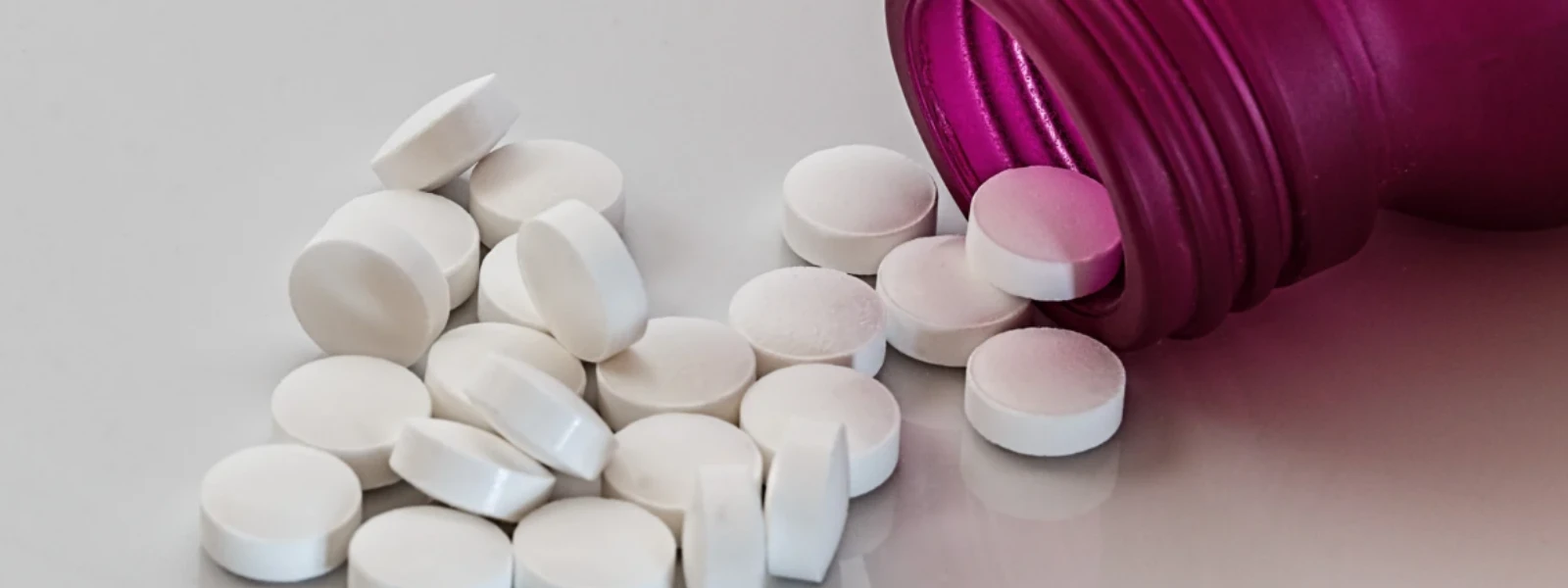


Your hair tells a story about your health, and biotin plays a starring role in that narrative. This essential B vitamin, also known as Vitamin B7, has gained significant attention for its potential to transform hair health from the inside out. While social media is flooded with dramatic before-and-after photos, the real science behind biotin tablets benefits for hair reveals a more nuanced but equally compelling story.
Understanding how biotin works, what realistic results look like, and how to use it safely can help you make informed decisions about incorporating this supplement into your hair care routine. This comprehensive guide explores seven scientifically-backed benefits of biotin for hair health, along with practical insights on dosage, timeline expectations, and safety considerations.
Biotin, scientifically known as Vitamin B7 or coenzyme R, belongs to the B-complex family of vitamins. This water-soluble vitamin plays a crucial role in converting nutrients into energy and supporting various metabolic processes throughout your body. When it comes to hair health, biotin's primary function involves supporting the production of keratin, the structural protein that forms the foundation of your hair strands.
Your hair follicles are among the most metabolically active tissues in your body, requiring a steady supply of nutrients to function optimally. Biotin acts as a cofactor for several enzymes involved in fatty acid synthesis and amino acid metabolism, both essential processes for healthy hair growth. When biotin levels are adequate, your hair follicles can produce stronger, more resilient hair strands.
Research indicates that biotin deficiency, while relatively rare, can lead to hair thinning, brittle strands, and even hair loss. This connection has earned biotin the nickname "beauty vitamin," though it's important to note that supplementation benefits are most pronounced in individuals with actual deficiencies rather than those with normal biotin levels.
Biotin supports the health of hair follicles by enhancing cellular metabolism within these structures. Stronger follicles can better anchor hair strands, reducing the likelihood of premature hair loss. Studies suggest that adequate biotin levels help maintain the structural integrity of follicles, creating an optimal environment for healthy hair production.
The keratin infrastructure of your hair depends heavily on biotin for proper formation. When biotin levels are sufficient, the keratin matrix becomes more robust, resulting in hair strands that can better withstand daily styling, environmental stressors, and mechanical damage. This translates to less breakage and longer-lasting length retention.
Biotin supports cell regeneration processes that are fundamental to hair growth. While it won't dramatically accelerate your hair's natural growth rate, adequate biotin levels ensure that follicles can maintain their optimal growth cycle without interruption. This consistency in the growth phase can lead to more noticeable length gains over time.
Through its role in protein synthesis, biotin contributes to the production of thicker hair strands. The vitamin helps optimize the formation of structural proteins within each hair fiber, potentially resulting in individual strands that appear fuller and more voluminous. This effect is particularly noticeable in individuals who previously had biotin deficiency.
While biotin won't reverse genetic pattern baldness, it can help prevent hair loss related to nutritional deficiencies. By ensuring adequate support for follicle function and hair strand integrity, biotin supplementation may help maintain your existing hair density, particularly if your diet lacks sufficient biotin-rich foods.
A healthy scalp provides the foundation for healthy hair growth. Biotin supports various metabolic processes that contribute to scalp health, including proper circulation and nutrient delivery to hair follicles. Some individuals report improvements in scalp condition when maintaining adequate biotin levels.
The structural improvements that biotin promotes in hair strands can lead to enhanced light reflection, resulting in shinier-appearing hair. When the hair cuticle lies flat and smooth due to improved structural integrity, light reflects more evenly, creating a natural glossy appearance.
Did You Know?
Hair growth occurs in cycles, with each strand spending about 2-7 years in the active growth phase. This means that any nutritional intervention, including biotin supplementation, requires patience to show visible results. The hair you see today actually began growing months ago, so improvements from biotin typically become apparent after 2-3 months of consistent use.
The optimal biotin dosage for hair health varies depending on individual factors, but research suggests that doses between 2.5mg to 10mg daily are commonly used for hair-related benefits. The recommended dietary allowance for biotin is much lower at 30 micrograms daily for adults, but therapeutic doses for hair health are typically higher.
Several factors influence your biotin needs, including age, overall health status, dietary intake, and any underlying conditions that might affect biotin absorption. Individuals with certain genetic variations may require higher doses to achieve optimal biotin status. Additionally, pregnancy, breastfeeding, and certain medications can increase biotin requirements.
For best absorption, biotin tablets are typically taken on an empty stomach, though some people prefer taking them with food to minimize potential digestive discomfort. Consistency in timing can help maintain steady biotin levels throughout your supplementation period.
Most studies examining biotin's effects on hair health use supplementation periods of at least 3-6 months to assess results. This extended timeframe aligns with the natural hair growth cycle and allows sufficient time for new, healthier hair strands to emerge and become visible.
Understanding the realistic timeline for biotin benefits helps set appropriate expectations and prevents disappointment. During the first 1-2 weeks of supplementation, you're unlikely to notice any visible changes in your hair. Your body is beginning to utilize the additional biotin, but hair growth is a slow process that requires patience.
By the end of the first month, some individuals may notice subtle improvements in hair texture or reduced breakage. These early changes often relate to the health of hair strands currently emerging from follicles rather than dramatic growth increases.
The 2-3 month mark typically represents when more noticeable changes become apparent. This timeframe allows for new hair growth cycles to begin under improved nutritional conditions. You might observe increased thickness, reduced shedding, or improved overall hair quality during this period.
Maximum benefits from biotin supplementation usually become evident between 4-6 months of consistent use. This extended timeline reflects the natural pace of hair growth and the time required for nutritional improvements to manifest in visible hair changes.
Biotin is generally well-tolerated, with most people experiencing no adverse effects from supplementation. However, some individuals may experience mild digestive issues, including nausea or stomach discomfort, particularly when starting supplementation or taking higher doses.
One important consideration is biotin's potential to interfere with certain laboratory tests, particularly those measuring thyroid hormones and cardiac markers. High biotin levels can cause falsely elevated or decreased test results, potentially leading to misdiagnosis. If you're scheduled for blood work, inform your healthcare provider about biotin supplementation.
Rare cases of skin reactions, including rashes or acne-like breakouts, have been reported with biotin supplementation. These effects are typically mild and resolve when supplementation is discontinued. Some individuals may also experience changes in sleep patterns or mild anxiety, though these effects are uncommon.
Pregnant and breastfeeding women should consult healthcare providers before starting biotin supplementation, as should individuals taking medications or managing chronic health conditions. While biotin is water-soluble and excess amounts are typically excreted through urine, it's still important to use supplements responsibly.
While biotin tablets can provide valuable support for hair health, they work best as part of a comprehensive approach to hair care. Combining biotin with other hair-supporting nutrients, such as iron, zinc, and Vitamin D, may enhance overall results. These nutrients work synergistically to support various aspects of hair growth and health.
Lifestyle factors significantly influence how effectively your body utilizes biotin and other hair-supporting nutrients. Adequate sleep, stress management, and regular physical activity all contribute to optimal nutrient absorption and utilization. Chronic stress, in particular, can negatively impact hair health regardless of nutritional status.
Dietary sources of biotin can complement supplementation efforts. Foods rich in biotin include eggs, nuts, seeds, sweet potatoes, and leafy green vegetables. While it's challenging to obtain therapeutic doses of biotin through diet alone, these foods provide additional nutrients that support overall hair health.
Gentle hair care practices help preserve the benefits of improved hair structure that biotin provides. Using sulfate-free shampoos, minimizing heat styling, and protecting hair from environmental damage can help maintain the improvements achieved through supplementation.
Biotin tablets can be effective for hair growth, particularly in individuals with biotin deficiency or suboptimal levels. Research shows that biotin supplementation can improve hair thickness, reduce breakage, and support overall hair health. However, results are most pronounced in people with actual deficiencies rather than those with normal biotin levels.
Most people begin noticing subtle improvements in hair texture and reduced breakage after 4-6 weeks of consistent supplementation. More significant changes in hair growth, thickness, and overall health typically become apparent after 2-3 months. Maximum benefits usually occur after 4-6 months of regular use, reflecting the natural hair growth cycle.
Yes, biotin supplementation is generally safe for individuals without deficiency, though benefits may be less dramatic. Many people with normal biotin levels still report improvements in hair quality and reduced breakage. However, it's important to use appropriate doses and consult healthcare providers if you have underlying health conditions.
Excellent dietary sources of biotin include egg yolks, organ meats, nuts (especially almonds and peanuts), seeds, sweet potatoes, spinach, and broccoli. While these foods provide valuable biotin along with other nutrients, achieving therapeutic doses for hair health typically requires supplementation in addition to a biotin-rich diet.
Biotin itself does not cause hair loss. In rare cases, some people may experience temporary changes in hair shedding patterns when starting supplementation, but this typically normalizes within a few weeks. If you experience significant hair loss while taking biotin, it's likely due to other factors and warrants consultation with a healthcare provider.
Biotin tablets offer genuine benefits for hair health, particularly when used consistently over several months. The seven key benefits - from strengthening follicles to enhancing shine - are supported by scientific research and real-world results. However, success with biotin supplementation requires realistic expectations, appropriate dosing, and patience with the natural hair growth timeline. While biotin isn't a magic solution for all hair concerns, it can be a valuable component of a comprehensive approach to hair health. Consider consulting with healthcare providers to determine if biotin supplementation aligns with your individual health needs and hair goals.



