7 Surprising Foods That Are High in Collagen (You'll Love #5!)
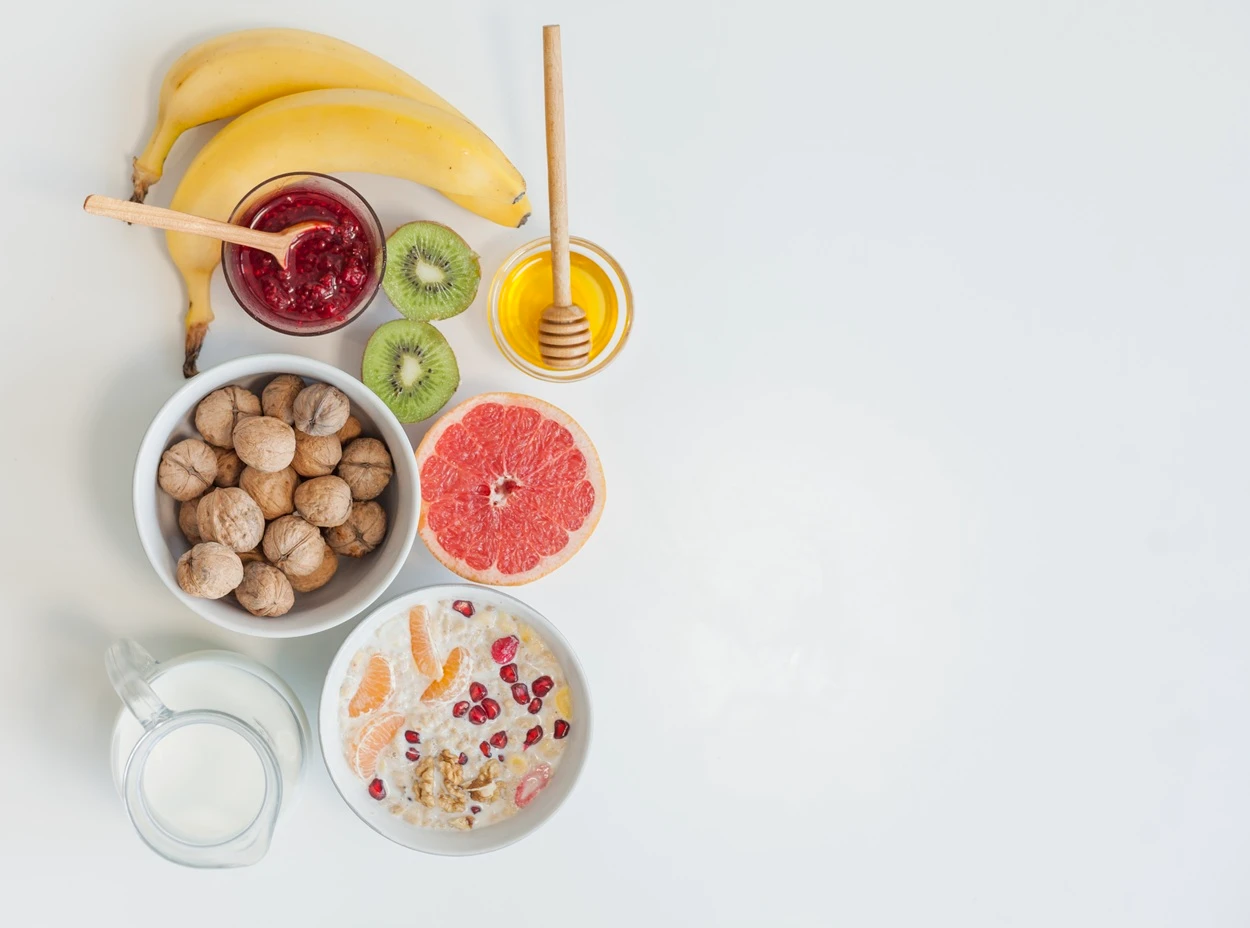


Your skin's youthful glow, strong joints, and healthy hair all depend on one crucial protein: collagen. As we age, our natural collagen production slows down, leading to visible signs of aging and joint discomfort. While many people turn to supplements, nature offers some surprising foods that can boost your collagen levels naturally.
This guide reveals seven unexpected foods that contain collagen or support your body's ability to produce this vital protein. You'll discover how simple dietary changes can transform your approach to healthy aging and beauty from within.
Collagen is the most abundant protein in your body, making up about 30% of all proteins. Think of it as the glue that holds everything together. It forms the structure of your skin, bones, tendons, and blood vessels.
This protein provides strength and elasticity to your skin, keeping it smooth and firm. It also supports joint health by maintaining cartilage structure. Your hair and nails rely on collagen for their strength and growth too.
Unfortunately, collagen production naturally decreases by about 1% each year after age 25. This decline becomes more noticeable in your 30s and 40s, when fine lines appear and joints may feel stiffer. The good news? Eating collagen-rich foods can help support your body's natural production.
Bone broth stands out as one of the most concentrated sources of natural collagen. When animal bones simmer for hours, they release collagen along with other beneficial compounds like amino acids and minerals.
This traditional food contains types I, II, and III collagen - the same types found in human skin, joints, and bones. One cup of bone broth can provide significant amounts of collagen peptides that your body can easily absorb.
You can make bone broth at home by simmering beef, chicken, or fish bones for 12-24 hours. Add vegetables and herbs for extra flavor and nutrients. Drink it warm as a comforting beverage or use it as a base for soups and stews.
Egg whites contain proline, one of the key amino acids needed for collagen production. They also provide glycine and hydroxyproline, two other building blocks of collagen.
The proteins in egg whites are highly bioavailable, meaning your body can easily use them. This makes egg whites an excellent choice for supporting your natural collagen synthesis.
Try adding egg whites to smoothies for a protein boost, or create collagen-boosting recipes like vegetable omelets or protein pancakes. The versatility of egg whites makes them easy to include in various meals throughout the day.
Citrus fruits like oranges, lemons, limes, and grapefruits don't contain collagen directly. Instead, they provide high amounts of Vitamin C, which is essential for collagen synthesis.
Vitamin C acts as a cofactor in collagen production, helping convert proline and lysine into collagen. Without adequate Vitamin C, your body cannot produce strong, stable collagen fibers.
Include citrus fruits in your collagen-boosting diet by adding lemon to your water, enjoying fresh oranges as snacks, or creating colorful fruit salads. Even a small amount of citrus daily can significantly support your collagen production.
Berries like blueberries, strawberries, and raspberries protect existing collagen from damage while supporting new collagen formation. They're packed with antioxidants that fight free radicals - molecules that break down collagen fibers.
These colorful fruits also contain Vitamin C and ellagic acid, compounds that boost collagen production. The anthocyanins that give berries their vibrant colors also help stabilize collagen structures.
Add berries to your breakfast yogurt, blend them into smoothies, or enjoy them as a healthy dessert. Frozen berries work just as well as fresh ones and are often more budget-friendly.
Here's the surprise you've been waiting for: leafy greens like spinach, kale, and Swiss chard are incredible collagen supporters. These vegetables contain chlorophyll, which has antioxidant properties that protect collagen from breaking down.
Leafy greens also provide Vitamin C, zinc, and copper - all crucial nutrients for collagen synthesis. The chlorophyll in these greens may even help increase the precursor to collagen in the skin.
Creative recipes with leafy greens include green smoothies, sautéed greens with garlic, and colorful salads. Try massaging raw kale with lemon juice to make it more digestible and flavorful.
Fish, especially those with edible skin like salmon and sardines, provide both collagen and the nutrients needed to produce it. The skin and scales of fish contain marine collagen, which some studies suggest may be more easily absorbed than other types.
Fish also provide omega-3 fatty acids, which help protect collagen from inflammatory damage. Wild-caught fish typically contain higher levels of beneficial compounds than farm-raised varieties.
To maximize collagen benefits, eat fish with the skin on when possible. Try grilled salmon with crispy skin, or sardines on toast for a nutritious meal rich in both collagen and collagen-supporting nutrients.
Garlic might be the most surprising entry on this list. This aromatic bulb contains sulfur compounds that help produce collagen and prevent its breakdown. The sulfur in garlic provides the building blocks for collagen cross-links, which give the protein its strength.
Garlic also contains taurine and lipoic acid, compounds that help repair damaged collagen fibers. Regular garlic consumption may help maintain skin elasticity and joint health.
Incorporate garlic into your collagen-boosting meals by adding it to stir-fries, roasted vegetables, or bone broth. Raw garlic provides the most sulfur compounds, but cooked garlic is easier to digest and still beneficial.
Getting the most from collagen-rich foods requires strategic pairing and preparation. Combine collagen sources with Vitamin C-rich foods to enhance absorption. For example, enjoy bone broth with a squeeze of lemon or eat berries with your egg white omelet.
Gentle cooking methods preserve collagen content better than high-heat techniques. Slow simmering, steaming, and poaching maintain the integrity of collagen proteins. Avoid overcooking fish or eggs, as this can break down their protein structures.
Stay hydrated throughout the day, as water is essential for collagen synthesis. Your body also needs adequate sleep and protection from sun damage to maintain healthy collagen levels.
A diet rich in foods that contain collagen and collagen-supporting nutrients offers numerous benefits. Your skin may appear more elastic and hydrated as collagen levels improve. Fine lines and wrinkles may become less noticeable over time.
Your hair and nails often become stronger and grow faster when you consistently eat collagen-rich foods. Many people notice their nails break less frequently and their hair feels thicker.
Joint health improvements are another significant benefit. Enhanced flexibility and reduced stiffness often result from supporting your body's natural collagen production through diet.
One common misconception is that eating collagen automatically increases your body's collagen levels. In reality, your digestive system breaks down dietary collagen into amino acids, which your body then uses to build new collagen.
Another myth suggests that expensive collagen supplements are always superior to whole foods. While quality supplements can be beneficial, whole foods provide additional nutrients and fiber that support overall health.
Some people believe that plant-based diets cannot support adequate collagen production. While plants don't contain collagen directly, they provide many nutrients essential for collagen synthesis, making a well-planned plant-based diet perfectly capable of supporting healthy collagen levels.
Building a sustainable collagen-boosting diet starts with planning balanced meals that include various sources. A typical day might begin with a berry and spinach smoothie made with egg whites for breakfast.
Lunch could feature a hearty bone broth soup with vegetables and herbs. For dinner, try grilled fish with a colorful salad dressed with lemon and garlic.
Smart snack choices include citrus fruits, mixed berries, or a small cup of warm bone broth. The key is consistency - incorporating these foods regularly rather than sporadically.
Did You Know? The Collagen-Gut Connection
Recent studies suggest that a healthy gut microbiome may play a crucial role in collagen production and absorption. Consuming probiotic-rich foods alongside collagen sources could potentially enhance its benefits for your skin and overall health.
When choosing any nutritional support, look for products with superior ingredients, highly absorbable formats, palatable flavors to complement your whole food approach to collagen support.
The best foods that contain collagen include bone broth, fish with edible skin, chicken, egg whites, and certain cuts of beef. Additionally, foods rich in Vitamin C and amino acids can help boost your body's natural collagen production.
While vegetarians may not consume direct sources of collagen, they can support their body's collagen production by eating foods rich in Vitamin C, zinc, and copper. Plant-based sources like leafy greens, berries, and nuts can contribute to a collagen-boosting diet.
Results can vary, but many people report noticing improvements in skin elasticity and joint comfort within 4-8 weeks of consistently following a collagen-rich diet. However, individual results may differ based on factors like age, overall health, and lifestyle habits.
While collagen supplements can be beneficial, whole foods that contain collagen or support its production often provide additional nutrients and benefits. A balanced approach combining collagen-rich foods and high-quality supplements may yield the best results for most people.
Some cooking methods can break down collagen, but this doesn't necessarily eliminate its benefits. Slow cooking methods like simmering or braising can actually make collagen more bioavailable. However, extremely high heat or prolonged cooking times may reduce collagen content in some foods.
Incorporating collagen-rich foods into your diet can have numerous benefits for your skin, hair, and overall health. From the surprising power of bone broth to the unexpected collagen boost from garlic, these seven foods offer delicious ways to support your body's collagen production naturally. By understanding the importance of collagen and making informed dietary choices, you can take significant steps towards maintaining youthful, healthy skin and strong connective tissues. Remember, a balanced diet rich in diverse nutrients is key to maximizing the benefits of collagen-containing foods. Explore these options and discover how a collagen-boosting diet can transform your health and beauty routine.




Someone sent you
Powered by ReferRush


