7 Surprising Uses of Vegan Protein Powder Today
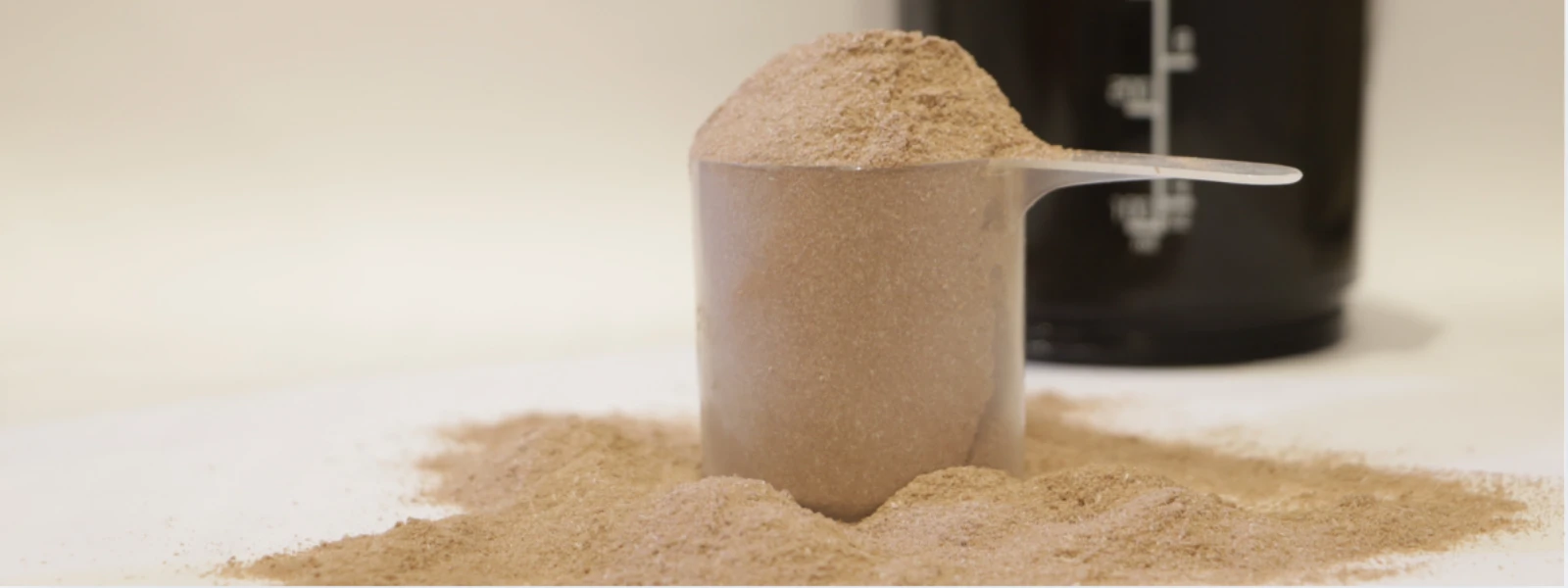


Plant-based nutrition has evolved far beyond basic meal replacements. While most people associate vegan protein powder uses with post-workout shakes, the versatility of these nutrient-dense supplements extends into unexpected areas of health and wellness. From supporting radiant skin to enhancing cognitive function, modern formulations offer benefits that challenge traditional protein paradigms.
This comprehensive guide explores seven surprising applications that demonstrate why plant based protein powder benefits extend well beyond muscle building. You'll discover evidence-based strategies for incorporating these versatile supplements into various aspects of your wellness routine, backed by scientific research and practical implementation tips.
Modern vegan protein powder ingredients have undergone significant advancement in recent years. Unlike early plant-based formulations that often lacked complete amino acid profiles, today's options rival traditional dairy-based proteins in both nutritional completeness and bioavailability.
Research published in the Journal of the International Society of Sports Nutrition demonstrates that properly formulated plant proteins can match whey protein in supporting muscle protein synthesis. The key lies in understanding how different types of vegan protein powder complement each other to create complete amino acid profiles.
Pea protein provides high levels of branched-chain amino acids, particularly leucine, which triggers muscle protein synthesis. Hemp protein contributes omega-3 fatty acids and fiber, supporting cardiovascular health and digestive function. Rice protein offers excellent digestibility and hypoallergenic properties, making it suitable for individuals with multiple food sensitivities.
One significant advantage of dairy free protein powder uses relates to digestive tolerance. Studies indicate that approximately 65% of adults worldwide experience some degree of lactose intolerance, making plant-based alternatives more accessible for broader populations.
Plant proteins typically contain prebiotic fibers that support beneficial gut bacteria growth. This creates a positive feedback loop where improved digestive health enhances nutrient absorption, maximizing the benefits of vegan protein supplementation.
The connection between vegan protein for skin health represents one of the most compelling applications beyond traditional fitness goals. Amino acids serve as building blocks for collagen synthesis, the protein responsible for skin elasticity and firmness.
While plant proteins don't contain collagen directly, they provide the essential amino acids necessary for endogenous collagen production. Glycine, proline, and hydroxyproline—key components of collagen—can be synthesized from plant-based amino acid sources when consumed in adequate quantities.
Research from the American Journal of Clinical Nutrition shows that consistent protein intake supporting 1.2-1.6 grams per kilogram of body weight can significantly impact skin hydration and elasticity markers in adults over 30.
Beyond internal consumption, protein powder for healthy skin can be incorporated into topical treatments. The amino acids in plant proteins, when applied externally, may support skin barrier function and provide gentle exfoliation properties.
Simple applications include mixing unflavored protein powder with natural ingredients like honey or oatmeal to create nourishing face masks. The protein content helps support skin repair processes while additional ingredients provide moisture and antioxidant benefits.
Did You Know?
Hemp protein contains all nine essential amino acids plus gamma-linolenic acid (GLA), an omega-6 fatty acid that supports skin barrier function and may help reduce inflammation associated with various skin conditions.
Emerging research suggests that plant based protein for beauty extends to cognitive wellness. The brain requires consistent amino acid availability for neurotransmitter synthesis, making protein intake crucial for mental performance and mood regulation.
Amino acids like tyrosine and tryptophan serve as precursors for important neurotransmitters including dopamine and serotonin. Plant-based proteins provide these building blocks while often including additional compounds that support brain health.
Pea protein, for example, contains natural compounds that may support healthy blood flow to the brain. This enhanced circulation can improve cognitive function and mental clarity throughout the day.
The magnesium content found in many plant proteins, particularly hemp and pumpkin seed varieties, supports healthy stress response. Regular consumption may help maintain balanced cortisol levels and promote emotional well-being.
Creative vegan protein powder recipes extend far beyond traditional smoothies and shakes. These versatile ingredients can enhance both sweet and savory dishes while boosting nutritional content.
Protein powders can replace up to 25% of flour in many baking recipes, adding nutritional value while maintaining texture and flavor. Vanilla or chocolate-flavored varieties work particularly well in muffins, pancakes, and energy bars.
The key to successful baking with protein powder lies in understanding how different types behave under heat. Rice protein tends to be more heat-stable, while pea protein may require additional moisture to prevent dryness.
Unflavored protein powders can be incorporated into soups, stews, and sauces as natural thickening agents. This application provides additional protein content without significantly altering taste profiles.
Seasoned protein powders can serve as coating for vegetables or plant-based proteins, creating crispy textures while adding nutritional value to meals.
The relationship between protein intake and sleep quality represents an often-overlooked aspect of best vegan protein sources utilization. Certain amino acids play crucial roles in sleep regulation and recovery processes.
Plant proteins containing tryptophan can support natural melatonin production when consumed as part of a balanced evening routine. This amino acid serves as a precursor to serotonin, which then converts to melatonin in darkness.
Timing protein consumption 2-3 hours before bedtime may support better sleep quality without causing digestive discomfort that could interfere with rest.
Nighttime protein synthesis occurs most efficiently during deep sleep phases. Providing amino acids through plant-based sources supports this natural recovery process, particularly beneficial for individuals engaged in regular physical activity.
The immune-supporting properties of plant proteins often go unrecognized in discussions about vegan protein powder uses. Many plant-based sources contain additional compounds that support immune function beyond basic protein requirements.
Hemp protein contains natural antioxidants including vitamin E and phenolic compounds that support immune system function. These additional nutrients work synergistically with amino acids to promote overall wellness.
Pea protein provides iron and zinc, minerals essential for immune cell function and wound healing. Regular consumption can help maintain adequate levels of these crucial nutrients, particularly important for individuals following plant-based diets.
Some research suggests that certain plant proteins may help support healthy histamine responses. While more research is needed, preliminary studies indicate that consistent protein intake supporting overall health may help maintain balanced immune responses during allergy seasons.
The prebiotic fiber content in many plant proteins creates unexpected benefits for digestive wellness. These fibers serve as food for beneficial gut bacteria, supporting microbiome diversity and overall digestive function.
A healthy gut microbiome influences numerous aspects of wellness, from immune function to mood regulation. The fiber content in plant proteins helps maintain this delicate ecosystem while providing essential amino acids.
Hemp protein contains both soluble and insoluble fiber, supporting different aspects of digestive health. Soluble fiber helps regulate blood sugar levels, while insoluble fiber promotes healthy bowel movements.
Plant proteins typically cause less digestive inflammation compared to some dairy-based options. This reduced inflammatory response can support better nutrient absorption and overall digestive comfort.
Choosing plant-based proteins aligns with environmental consciousness while supporting personal health goals. This dual benefit represents a unique aspect of vegan protein powder uses that extends beyond individual wellness.
Plant protein production typically requires significantly less water and generates fewer greenhouse gas emissions compared to animal-based alternatives. This environmental benefit allows individuals to support both personal and planetary health simultaneously.
Many plant protein sources support regenerative agriculture practices that improve soil health and biodiversity. Choosing products from companies committed to sustainable sourcing creates positive environmental impact beyond personal consumption.
While vegan protein powders can significantly contribute to daily protein needs, they work best as part of a varied plant-based diet that includes whole food protein sources like legumes, nuts, seeds, and grains. Complete nutritional adequacy requires diverse food choices rather than relying solely on supplements.
Most adults benefit from 20-30 grams of protein powder per day, typically consumed in 1-2 servings. Individual needs vary based on activity level, age, and health goals. Starting with smaller amounts and gradually increasing allows your digestive system to adapt comfortably.
Most people tolerate plant-based proteins well, but some may experience initial digestive adjustments including mild bloating or gas. These effects typically resolve within 1-2 weeks as gut bacteria adapt. Choosing high-quality products and starting with smaller servings can minimize potential discomfort.
While plant-based proteins are generally safe for young people, growing individuals should prioritize whole food protein sources first. Protein powder supplementation for children should only be considered under healthcare provider guidance, particularly for young athletes with increased protein needs.
Consider your primary goals, taste preferences, and any food sensitivities when selecting products. Look for third-party tested options with minimal additives and complete amino acid profiles. Reading ingredient lists carefully ensures you choose products aligned with your health objectives and dietary restrictions.
The versatility of vegan protein powder extends far beyond traditional fitness applications, offering surprising benefits for skin health, cognitive function, culinary creativity, and environmental wellness. These plant-based supplements provide complete nutrition while supporting diverse health goals through their unique amino acid profiles and additional beneficial compounds. Whether you're seeking to enhance your beauty routine, improve sleep quality, or explore sustainable nutrition options, incorporating high-quality vegan protein powder into your wellness strategy can deliver multifaceted benefits. As research continues to unveil new applications for plant-based proteins, these versatile supplements represent an increasingly valuable tool for comprehensive health optimization.




Someone sent you
Powered by ReferRush


