7 Vitamin B7 Foods for Hair & Skin
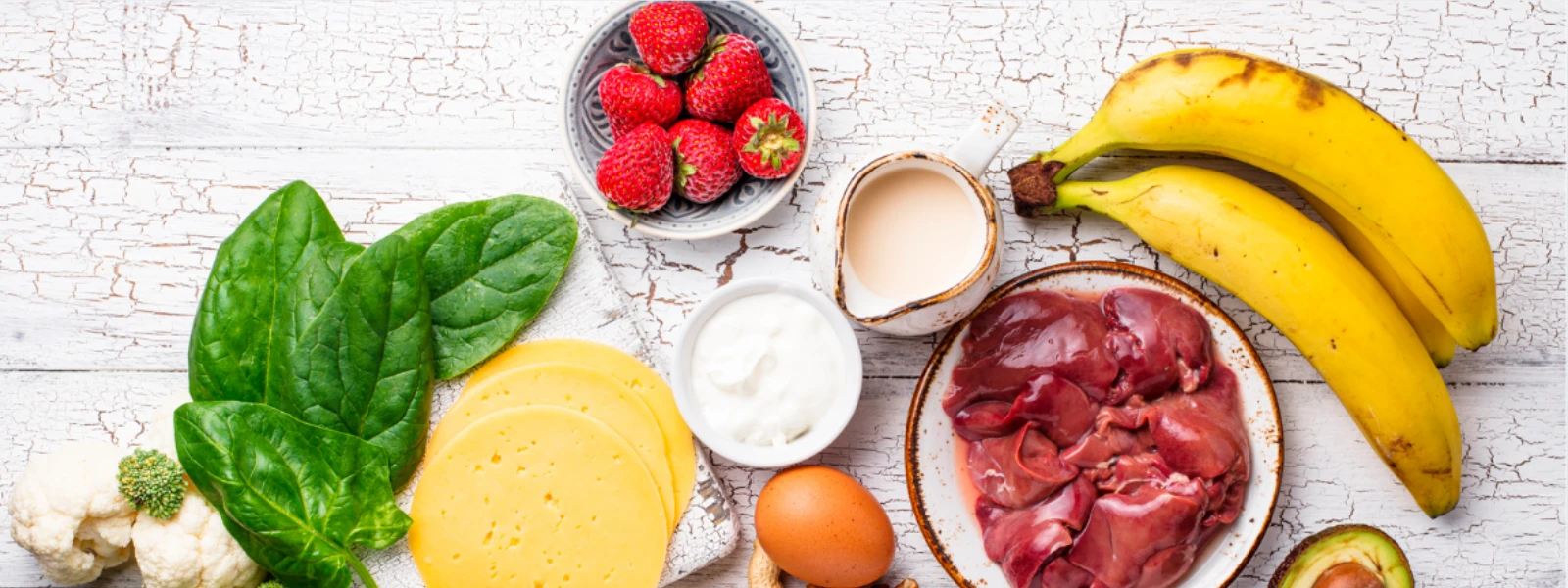


Your hair loses its shine, your skin feels dull, and your nails break easily. These could be signs your body needs more Vitamin B7, also known as biotin. This essential nutrient plays a crucial role in maintaining healthy hair, glowing skin, and strong nails.
Biotin acts as a coenzyme in various metabolic processes, particularly in the synthesis of fatty acids and amino acids that form the building blocks of healthy hair and skin cells. While biotin deficiency is relatively rare, many people don't consume enough biotin-rich foods to support optimal hair and skin health.
In this comprehensive guide, you'll discover seven powerful vitamin B7 foods that can transform your hair and skin from within. We'll explore the science behind biotin's benefits, provide practical tips for incorporating these foods into your diet, and help you understand how much biotin your body actually needs for radiant results.
Vitamin B7, commonly called biotin, belongs to the B-complex family of vitamins. This water-soluble vitamin serves as a cofactor for several enzymes involved in carbohydrate, fat, and protein metabolism. Your body cannot produce biotin on its own, making dietary sources essential for maintaining adequate levels.
Biotin plays a fundamental role in keratin production, the protein that forms the structure of your hair, skin, and nails. Research published in the Journal of Clinical and Aesthetic Dermatology shows that biotin supplementation can improve hair thickness and reduce hair loss in individuals with biotin deficiency.
The recommended daily intake of biotin varies by age and life stage. Adults typically need 30 micrograms per day, while pregnant and breastfeeding women require slightly higher amounts. Most people can meet these requirements through a balanced diet rich in biotin sources.
Biotin deficiency symptoms often manifest in your hair, skin, and nails first. Common signs include thinning hair, brittle nails, dry or scaly skin, and in severe cases, hair loss. Other symptoms may include fatigue, muscle pain, and neurological issues.
Certain factors can increase your risk of biotin deficiency, including prolonged antibiotic use, consuming raw egg whites regularly, and genetic disorders affecting biotin metabolism. Understanding these risk factors helps you make informed decisions about your biotin intake.
Did You Know?
Your gut bacteria actually produce small amounts of biotin, but this production alone isn't sufficient to meet your daily needs. A healthy gut microbiome supports biotin synthesis, making digestive health important for overall biotin status.
Eggs rank among the best foods for biotin, with one large cooked egg providing approximately 10 micrograms of biotin, roughly one-third of your daily requirement. The biotin concentration is highest in egg yolks, making whole eggs superior to egg whites alone.
Cooking eggs properly is crucial for biotin absorption. Raw egg whites contain avidin, a protein that binds to biotin and prevents its absorption. Heat deactivates avidin, allowing your body to access the biotin effectively. Whether you prefer scrambled, poached, or hard-boiled eggs, cooking ensures maximum biotin benefits.
Beyond biotin, eggs provide high-quality protein containing all essential AmIno aciDS needed for hair and skin cell regeneration. The combination of biotin and protein makes eggs an excellent choice for supporting healthy hair growth and maintaining skin elasticity.
Beef liver contains the highest concentration of biotin among all natural food sources, with a 3-ounce serving providing over 30 micrograms of biotin. This single serving exceeds your entire daily biotin requirement while delivering numerous other nutrients essential for hair and skin health.
Other organ meats like kidney and heart also contain substantial amounts of biotin, though slightly less than liver. These nutrient-dense foods provide biotin alongside iron, zinc, and B vitamins that work synergistically to support healthy hair growth and skin repair.
If you're new to eating organ meats, start with small portions mixed into familiar dishes like ground meat recipes. Many people find liver pâté or chopped liver more palatable than whole liver preparations.
Almonds, walnuts, and sunflower seeds offer convenient ways to increase your biotin intake throughout the day. A quarter-cup of roasted sunflower seeds provides about 2.6 micrograms of biotin, while the same amount of almonds contributes approximately 1.5 micrograms.
These biotin rich foods also provide healthy fats, vitamin E, and minerals that complement biotin's effects on hair and skin health. The vitamin E in nuts and seeds acts as an antioxidant, protecting your skin cells from oxidative damage that can accelerate aging.
Raw or lightly roasted nuts and seeds retain more of their biotin content compared to heavily processed versions. Store them in airtight containers to preserve their nutritional value and prevent rancidity.
Salmon, sardines, and mackerel provide biotin alongside omega-3 fatty acids that support skin health and hair shine. A 3-ounce serving of cooked salmon contains approximately 5 micrograms of biotin while delivering anti-inflammatory omega-3s.
The combination of biotin and omega-3 fatty acids creates a powerful synergy for hair and skin health. Omega-3s help maintain skin moisture and elasticity while biotin supports the structural proteins that keep your hair strong and your skin smooth.
Aim for two to three servings of fatty fish per week to maximize both biotin intake and omega-3 benefits. Canned fish like sardines and salmon offer convenient, shelf-stable options for busy lifestyles.
One medium avocado provides approximately 2-6 micrograms of biotin along with healthy monounsaturated fats that support nutrient absorption. The healthy fats in avocados help your body absorb fat-soluble vitamins and support skin barrier function.
Avocados also contain vitamin E, folate, and potassium that work together to maintain healthy skin and hair. The creamy texture and mild flavor make avocados easy to incorporate into smoothies, salads, sandwiches, and various other dishes.
Choose ripe avocados that yield slightly to gentle pressure. Unripe avocados can be stored at room temperature to ripen, while ripe ones should be refrigerated to extend their shelf life.
Lentils, chickpeas, and black beans offer excellent biotin sources for vegetarian and vegan diets. One cup of cooked lentils provides approximately 8 micrograms of biotin while delivering protein, fiber, and folate.
These foods high in biotin also provide plant-based protein that supports hair growth and skin repair. The fiber content promotes digestive health, which indirectly supports biotin production by beneficial gut bacteria.
Dried legumes typically contain more biotin than canned versions, though both offer valuable nutrients. Soaking dried beans and lentils before cooking can improve their digestibility and nutrient availability.
Sweet potatoes contain modest amounts of biotin while providing beta-carotene, which your body converts to vitamin A for skin health. One medium baked sweet potato contributes approximately 2.4 micrograms of biotin.
Mushrooms, particularly button and shiitake varieties, offer biotin along with selenium and other minerals that support hair and skin health. These versatile ingredients can be easily added to various dishes to boost your biotin intake.
The beta-carotene in sweet potatoes supports skin cell renewal and protects against UV damage. Combined with biotin, these nutrients work together to maintain healthy, radiant skin.
Several factors influence how well your body absorbs and utilizes biotin from foods. Cooking methods, food combinations, and individual health status all play important roles in biotin bioavailability.
Heat generally improves biotin absorption by breaking down protein-biotin complexes in foods. However, excessive heat can degrade some vitamins, so gentle cooking methods like steaming or light sautéing often work best.
Biotin works most effectively when combined with other B vitamins, particularly B12, folate, and pantothenic acid. A balanced diet that includes a variety of whole foods typically provides these complementary nutrients naturally.
Adequate protein intake is essential because biotin participates in amino acid metabolism. Without sufficient protein, your body cannot fully utilize biotin for hair and skin health benefits.
Maintaining good digestive health supports biotin absorption and production by beneficial gut bacteria. Probiotic foods like yogurt and fermented vegetables can help maintain a healthy gut microbiome.
While biotin supplements are widely available, most people can meet their biotin needs through a varied diet rich in biotin sources. Food sources provide biotin alongside other nutrients that work synergistically for optimal health benefits.
Supplements may be beneficial for individuals with confirmed biotin deficiency, certain genetic conditions, or specific health circumstances that increase biotin needs. However, supplementation should be discussed with healthcare providers to ensure appropriate dosing and avoid potential interactions.
High-dose biotin supplements can interfere with certain laboratory tests, potentially leading to incorrect results. This is particularly important for people with thyroid conditions or heart problems who require regular blood monitoring.
If you experience persistent hair loss, skin problems, or nail issues despite eating a biotin rich diet, consulting with a healthcare provider or registered dietitian can help identify underlying causes and appropriate solutions.
Certain medications, including some antibiotics and anti-seizure drugs, can interfere with biotin absorption or metabolism. Healthcare providers can assess whether supplementation is necessary in these situations.
Adults typically need 30 micrograms of biotin per day. This amount can usually be obtained through a balanced diet that includes several biotin rich foods. Pregnant and breastfeeding women may need slightly higher amounts.
Yes, most people can meet their biotin needs through dietary sources alone. A diet that includes eggs, nuts, seeds, fish, and vegetables typically provides adequate biotin for healthy hair and skin function.
Hair and skin improvements from increased biotin intake typically become noticeable after 3-6 months of consistent intake. Hair grows slowly, so patience is essential when expecting biotin benefits for hair health.
Biotin is water-soluble, so excess amounts are typically excreted through urine. However, very high doses from supplements can interfere with certain laboratory tests, so moderation is important even with generally safe nutrients.
Beef liver provides the highest biotin content, followed by eggs, organ meats, and certain fish. For plant-based options, legumes, nuts, and seeds offer the best biotin sources per serving.
Incorporating these seven vitamin B7 foods into your daily diet provides a natural, effective way to support healthy hair and glowing skin. From biotin-rich eggs and liver to convenient nuts and creamy avocados, these diverse options make it easy to meet your biotin needs while enjoying delicious, nutritious meals. Remember that consistency is key – regular consumption of biotin sources, combined with a balanced diet and healthy lifestyle, creates the foundation for lasting hair and skin health. By choosing whole foods over isolated supplements whenever possible, you'll benefit from biotin alongside other essential nutrients that work together to enhance your natural beauty from within.



