A Step-by-Step Guide to Vitamin B-Rich Vegetarian Meals
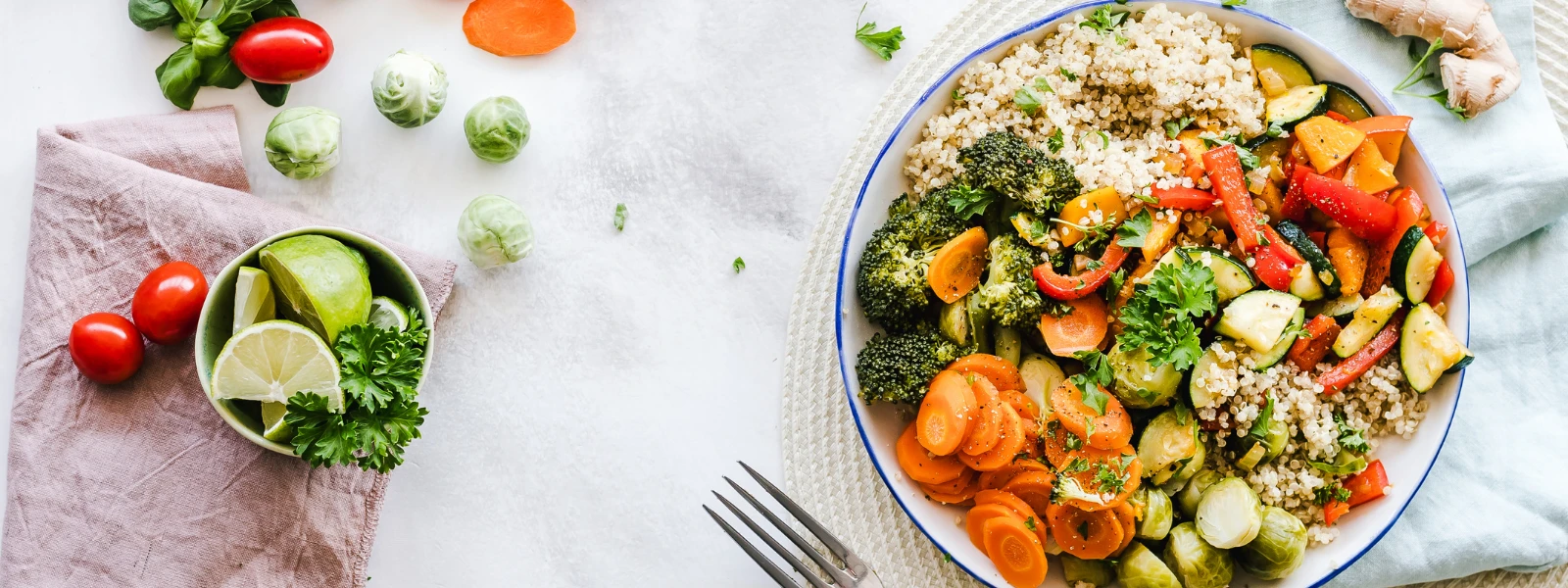


Maintaining healthy skin and optimal energy levels on a vegetarian diet requires careful attention to vitamin B foods for vegetarians. These essential nutrients play crucial roles in skin health, energy metabolism, and overall wellbeing. While plant-based diets offer numerous health benefits, they can present unique challenges when it comes to obtaining adequate B vitamins, particularly B12. This comprehensive guide will walk you through the best vegetarian vitamin B sources and provide practical meal planning strategies to ensure your body receives these vital nutrients.
The vitamin B complex consists of eight essential vitamins that work together to support various bodily functions. For vegetarians, understanding each type helps optimize nutritional intake and skin health.
Vitamin B1 (thiamine) supports energy metabolism and nervous system function. Vitamin B2 (riboflavin) promotes healthy skin and eye function while supporting cellular energy production. Vitamin B3 (niacin) maintains skin health and supports digestive function. Vitamin B5 (pantothenic acid) aids in hormone production and skin repair processes.
Vitamin B6 (pyridoxine) supports protein metabolism and neurotransmitter production, directly impacting skin health and mood regulation. Vitamin B7 (biotin) is particularly important for hair, skin, and nail health. Folate (vitamin B9) supports cell division and DNA synthesis, crucial for skin cell renewal.
Vitamin B12 (cobalamin) presents the greatest challenge for vegetarians, as it's primarily found in animal products. This vitamin supports red blood cell formation, nervous system function, and energy production.
Vegetarian diets can provide most B vitamins through best plant-based vitamin B foods, but require strategic planning. The bioavailability of certain B vitamins from plant sources may differ from animal sources, making it essential to consume a variety of nutrient-dense foods.
Creating a vitamin B rich vegetarian diet involves incorporating diverse food sources that naturally contain these essential nutrients.
Fortified breakfast cereals offer one of the most reliable sources of B vitamins for vegetarians. Many cereals contain significant amounts of B12, folate, and other B vitamins. Choose whole grain options with minimal added sugars for optimal nutrition.
Plant-based milk alternatives, including soy, almond, and oat milk, are often fortified with vitamin B12 and other B vitamins. These products provide convenient daily sources of essential nutrients while supporting bone health through added calcium and vitamin D.
Nutritional yeast deserves special mention as a powerhouse ingredient. This deactivated yeast provides a nutty, cheese-like flavor while delivering substantial amounts of B vitamins, particularly B12 when fortified. Two tablespoons can provide your daily B12 requirement.
Mung dal, a staple in Indian cuisine, provides excellent amounts of folate, vitamin B6, and thiamine. One cup of cooked mung dal delivers approximately 80% of your daily folate needs while providing high-quality protein.
Lentils offer impressive nutritional profiles, containing significant amounts of folate, vitamin B6, and thiamine. Red lentils cook quickly and blend seamlessly into soups, curries, and dal preparations.
Chickpeas provide folate, vitamin B6, and thiamine while offering versatility in meal preparation. From hummus to roasted snacks, chickpeas deliver consistent B vitamin nutrition.
Sunflower seeds rank among the vegetarian foods high in B vitamins, particularly vitamin B6 and folate. A quarter cup provides substantial amounts of these nutrients while delivering healthy fats and protein.
Almonds contribute vitamin B2 (riboflavin) and vitamin B3 (niacin), supporting skin health and energy metabolism. Soaked almonds may offer improved digestibility and nutrient absorption.
Pro Tip: Maximizing B Vitamin Absorption
Combining vitamin B-rich foods with healthy fats enhances absorption of fat-soluble vitamins. Pairing nutritional yeast with avocado or nuts with fruits creates synergistic nutritional benefits while supporting optimal vitamin utilization.
Bananas provide vitamin B6, supporting neurotransmitter production and skin health. One medium banana delivers approximately 20% of daily vitamin B6 requirements while providing natural energy through healthy carbohydrates.
Leafy greens, including spinach, kale, and romaine lettuce, offer folate and other B vitamins. These vegetables support skin cell renewal while providing antioxidants that complement B vitamin functions.
Avocados contain multiple B vitamins, including folate, vitamin B6, and pantothenic acid. Their healthy fat content supports the absorption of fat-soluble vitamins while nourishing skin from within.
Vitamin B12 presents unique challenges for vegetarians, as natural sources of vitamin B for vegans are limited. Understanding supplementation and fortified food options becomes crucial for long-term health.
High-quality B12 supplements provide reliable nutrition for vegetarians. Sublingual (under-tongue) forms may offer enhanced absorption, while weekly high-dose supplements can maintain adequate levels with less frequent dosing.
B complex supplements deliver comprehensive B vitamin nutrition, ensuring adequate intake of all essential B vitamins. Look for supplements that use active forms of vitamins, such as methylcobalamin for B12 and methylfolate for folate.
Regular blood testing helps monitor B12 levels and prevents deficiency. Vegetarians should consider annual testing, particularly for B12, folate, and homocysteine levels, which indicate B vitamin status.
Planning meals rich in skin-nourishing vegetarian B vitamins requires strategic food combinations and consistent intake throughout the day.
Start your day with fortified cereal topped with sliced banana and almonds, paired with fortified plant milk. This combination provides multiple B vitamins while delivering sustained energy and skin-supporting nutrients.
Alternatively, create a smoothie using fortified plant milk, banana, nutritional yeast, and leafy greens. Add chia seeds for additional B vitamins and omega-3 fatty acids that support skin health.
Build lunch around legume-based dishes like lentil soup with nutritional yeast sprinkled on top. Include a side of leafy green salad with sunflower seeds and avocado for comprehensive B vitamin coverage.
Chickpea salad sandwiches on fortified whole grain bread provide substantial B vitamins while delivering complete protein. Add leafy greens and tomatoes for additional nutrients and flavor.
Evening meals can center around mung dal curry with brown rice, providing folate, vitamin B6, and thiamine. Include sautéed spinach or other leafy greens for additional B vitamin content.
Stir-fried vegetables with nutritional yeast and brown rice offer versatile, nutrient-dense dinner options. Include a variety of colorful vegetables to maximize overall nutritional intake.
While whole foods provide the foundation for B vitamin nutrition, top vegetarian B vitamin supplements can fill nutritional gaps and ensure optimal intake.
Select supplements that use bioactive forms of B vitamins for enhanced absorption and utilization. Third-party tested products ensure purity and potency while providing confidence in supplement quality.
Consider timing supplements with meals to enhance absorption and reduce potential stomach upset. B vitamins are water-soluble, making consistent daily intake more important than large, infrequent doses.
Supplements work best when combined with a diverse, nutrient-rich diet. Use supplements to complement, not replace, whole food sources of B vitamins for optimal health outcomes.
Nutritional yeast, fortified cereals, legumes like lentils and chickpeas, leafy greens, and nuts like sunflower seeds provide the highest concentrations of B vitamins for vegetarians. Fortified plant milks and whole grains also contribute significant amounts.
Vegetarians can maintain adequate B12 levels through fortified foods like nutritional yeast, plant milks, and cereals, combined with high-quality supplements. Regular monitoring through blood tests helps ensure optimal levels are maintained.
B vitamins support skin health by promoting cell renewal, collagen production, and reducing inflammation. Biotin strengthens hair and nails, while vitamins B6 and B12 support the formation of new skin cells and maintain healthy circulation to skin tissues.
While a well-planned vegetarian diet can provide most B vitamins, B12 supplementation is generally recommended for all vegetarians due to limited plant-based sources. Other B vitamins may be obtained through diverse whole food choices, though supplements can provide additional insurance.
Early signs of B vitamin deficiency may include fatigue, skin problems, poor wound healing, mood changes, and difficulty concentrating. More severe deficiencies can cause anemia, nerve problems, and serious skin conditions. Regular health monitoring helps prevent these issues.
Creating a vitamin B-rich vegetarian diet requires understanding diverse plant-based sources and strategic meal planning. By incorporating fortified foods, legumes, nuts, seeds, and appropriate supplements, vegetarians can maintain optimal B vitamin levels for healthy skin and overall wellbeing. The key lies in variety, consistency, and regular monitoring to ensure your nutritional needs are met. Remember that building healthy eating habits takes time, and small, consistent changes often yield the best long-term results. Explore the comprehensive range of nutritional support options available to complement your plant-based lifestyle and support your journey toward optimal health.



