Acne-Free Protein: Your Essential Whey Guide
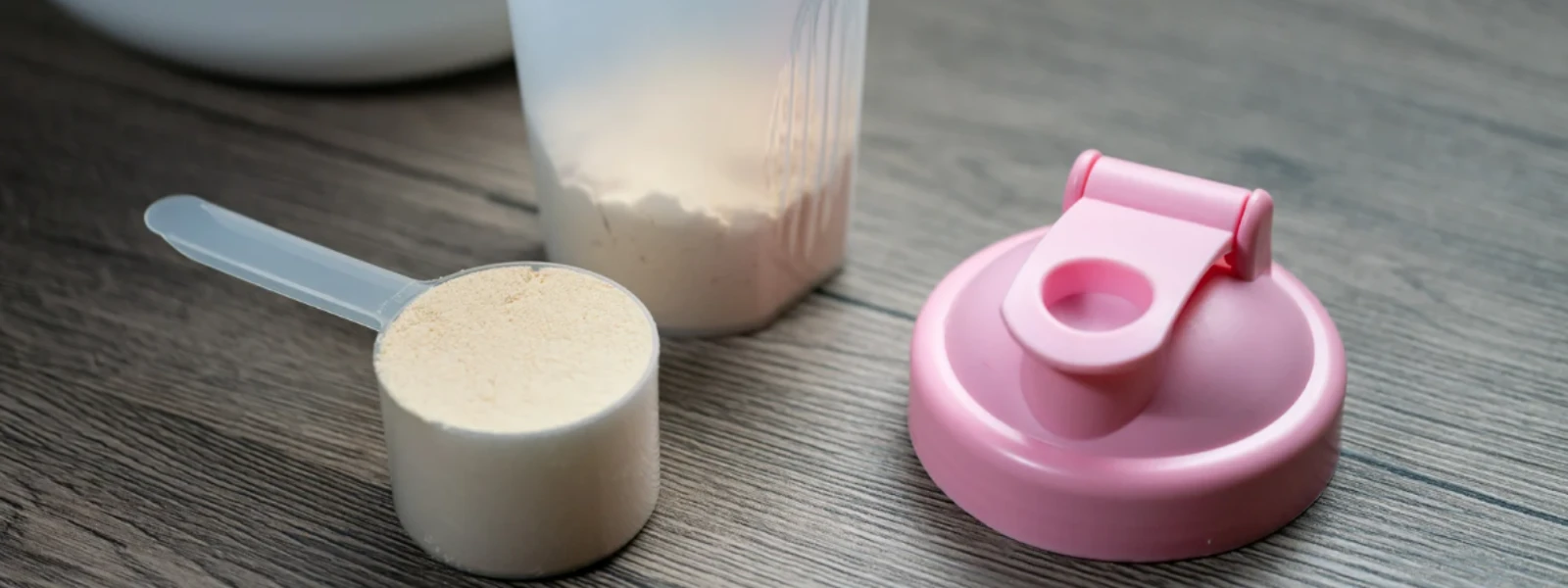


Your fitness journey shouldn't come with the unwanted side effect of breakouts. Many fitness enthusiasts face a frustrating dilemma: they want to build muscle and support their workouts with protein supplements, but find themselves dealing with unexpected acne flare-ups. The connection between whey protein and skin issues is more common than you might think, affecting countless individuals who are simply trying to optimize their health and fitness goals.
Understanding the relationship between protein supplements and skin health is crucial for making informed choices about your nutrition. This guide will help you navigate the complex world of protein powders while keeping your skin clear and healthy. You'll discover why certain proteins may trigger breakouts, learn about the best whey protein concentrate for acne-prone individuals, and explore effective alternatives that support both your fitness goals and skin health.
The relationship between dairy and acne stems from several biological mechanisms that researchers have extensively studied. When you consume whey protein, which is derived from milk, your body experiences an increase in insulin-like growth factor-1 (IGF-1). This hormone plays a significant role in cell growth and development, but elevated levels can stimulate sebaceous glands to produce more oil, potentially leading to clogged pores.
Additionally, dairy proteins can trigger an insulin response in your body, even without the presence of significant carbohydrates. This insulin spike can increase androgen activity, which directly influences sebum production. The combination of increased oil production and hormonal fluctuations creates an environment where acne-causing bacteria can thrive.
Research has also identified specific inflammatory pathways that dairy proteins can activate. These pathways involve the mTORC1 signaling cascade, which not only promotes muscle protein synthesis but can also contribute to the inflammatory processes associated with acne development.
Different types of whey protein can have varying effects on your skin. Whey protein side effects skin problems often depend on the processing method and purity of the product. Whey concentrate, which contains higher levels of lactose and other milk components, tends to be more problematic for acne-prone individuals compared to whey isolate.
The processing methods used to create whey protein can also influence its comedogenic properties. Heat-treated whey proteins may contain damaged proteins that are more likely to trigger inflammatory responses. Additionally, many commercial protein powders contain artificial additives, sweeteners, and fillers that can contribute to skin irritation and breakouts.
Individual sensitivity varies significantly among users. Some people may experience immediate breakouts after consuming whey protein, while others might notice gradual changes in their skin condition over weeks or months of regular use.
Plant-based proteins offer excellent alternatives for those seeking the best protein for acne prone skin. Pea protein isolate stands out as a particularly beneficial option because it's naturally free from dairy and has a complete amino acid profile. This protein source is less likely to trigger insulin spikes and doesn't contain the hormonal components found in dairy-derived proteins.
Hemp protein provides additional benefits beyond muscle building. It contains natural omega-3 fatty acids, which have anti-inflammatory properties that may actually help improve skin health. Hemp protein also includes fiber, which supports digestive health and may indirectly benefit skin condition through improved gut health.
Rice protein, particularly when combined with other plant proteins, offers another dairy-free option. It's hypoallergenic and easily digestible, making it suitable for individuals with sensitive digestive systems and skin.
Several whey protein alternatives for skin health can support your fitness goals without compromising your complexion. Collagen peptides serve a dual purpose by providing protein for muscle support while directly benefiting skin health through improved collagen synthesis. These peptides are easily absorbed and may help reduce fine lines and improve skin elasticity.
Egg white protein powder offers a complete amino acid profile without the dairy-related concerns of whey. It's naturally lactose-free and less likely to trigger the hormonal responses associated with dairy consumption. The protein quality is excellent, making it an effective choice for muscle building and recovery.
Bone broth protein has gained popularity as a whole-food-based protein source. It provides not only protein but also beneficial compounds like glycine and proline, which support skin health and may have anti-inflammatory effects.
When selecting protein supplements for clear skin, consider formulations that include additional skin-supporting nutrients. Zinc is particularly important for skin health and wound healing. Some protein powders now include zinc in their formulations, providing dual benefits for muscle recovery and skin maintenance.
Omega-3 enhanced protein formulas can help address inflammation from multiple angles. These products combine the muscle-building benefits of protein with the anti-inflammatory effects of essential fatty acids.
Probiotic protein blends support gut health, which is increasingly recognized as important for skin health. A healthy gut microbiome can influence skin condition through the gut-skin axis, making these formulations particularly beneficial for individuals with both digestive and skin concerns.
When choosing protein powder skin-friendly options, careful label reading is essential. Avoid products with high sugar content or those that may cause significant glycemic responses. Added sugars can contribute to inflammation and may worsen acne conditions.
Pay attention to artificial sweeteners, as some individuals find that certain sweeteners can trigger skin reactions. Natural sweeteners like stevia or monk fruit are generally better tolerated, though individual responses can vary.
Look for products free from unnecessary fillers, artificial colors, and preservatives. These additives serve no nutritional purpose and may contribute to inflammatory responses in sensitive individuals.
The quality of protein processing significantly impacts its potential effects on skin health. Cold-processed proteins retain more of their natural structure and are less likely to contain damaged proteins that could trigger inflammatory responses.
Third-party testing ensures that the product meets quality standards and is free from contaminants that could affect both health and skin condition. Look for certifications from reputable testing organizations.
Organic certification, while not always necessary, can indicate higher quality standards and reduced exposure to pesticides and other chemicals that might indirectly affect skin health.
Did You Know?
Studies suggest that individuals who consume high amounts of dairy proteins may have up to a 44% higher risk of developing acne compared to those who limit dairy intake. This connection is particularly strong in teenagers and young adults, making protein source selection crucial for this demographic.
Managing protein powder inflammation often comes down to how and when you consume your protein supplements. Post-workout timing may be optimal because your body is primed for protein utilization, potentially reducing the likelihood of inflammatory responses.
Gradual introduction protocols can help identify your individual tolerance levels. Start with smaller doses and gradually increase to assess how your skin responds. This approach allows you to find the maximum beneficial dose without triggering breakouts.
Consider cycling strategies where you alternate between different protein sources or take periodic breaks from supplementation. This can help prevent the development of sensitivities and give your skin time to recover if you notice any adverse effects.
The relationship between acne and diet extends beyond just protein supplements. Combining your protein intake with anti-inflammatory foods can help mitigate potential negative effects. Include plenty of vegetables, fruits rich in antioxidants, and omega-3 fatty acids in your meals.
Proper hydration is crucial when consuming protein supplements. Adequate water intake supports kidney function in processing protein and helps maintain healthy skin hydration levels. Aim for at least 8-10 glasses of water daily, increasing this amount on workout days.
Meal planning that considers the glycemic impact of your entire meal can help manage insulin responses. Pair your protein with low-glycemic carbohydrates and healthy fats to create more stable blood sugar levels.
If you're currently experiencing whey protein acne, transitioning to alternative protein sources requires a strategic approach. Gradually reduce your whey protein intake while introducing new protein sources to avoid sudden changes that might affect your training performance.
Monitor your skin condition throughout the transition period. Keep a simple log noting any changes in breakout frequency or severity. This information can help you identify which proteins work best for your individual needs.
Consider consulting with both a dermatologist and a nutritionist during your transition. Professional guidance can help ensure you maintain adequate protein intake for your fitness goals while addressing skin concerns.
Topical treatments can work synergistically with dietary changes to improve skin condition. Gentle, non-comedogenic skincare products are essential when dealing with protein-related breakouts.
Lifestyle factors significantly affect how your body processes protein and responds to dietary changes. Adequate sleep, stress management, and regular exercise all contribute to better protein utilization and skin health.
Stress management is particularly important because chronic stress can worsen both acne and protein absorption. Consider incorporating stress-reduction techniques like meditation, yoga, or regular physical activity into your routine.
Not all whey protein products cause acne, but many people with acne-prone skin do experience breakouts from whey protein supplements. The likelihood depends on factors like the type of whey (concentrate vs. isolate), processing methods, individual sensitivity, and additional ingredients in the product.
Most people notice improvements in their skin within 2-6 weeks after switching from whey protein to a more skin-friendly alternative. However, it can take up to 3 months to see the full benefits, as skin cells have a natural turnover cycle of approximately 28 days.
Absolutely. Many plant-based and alternative protein sources provide complete amino acid profiles necessary for muscle building. Pea protein, hemp protein, egg white protein, and collagen peptides can all effectively support muscle growth and recovery when consumed as part of a balanced diet.
Whey isolate is more processed and contains less lactose and fewer milk components compared to whey concentrate. This makes isolate potentially less problematic for acne-prone individuals, though it can still trigger breakouts in sensitive people due to its dairy origin and IGF-1 content.
While some individuals may tolerate high-quality whey isolate better than concentrate, there's no guarantee that any whey protein won't cause breakouts in acne-prone individuals. The dairy-derived nature of whey means it will always carry some risk of triggering acne-related hormonal and inflammatory responses.
Finding the right protein supplement for acne-prone skin requires understanding the science behind protein-skin interactions and making informed choices based on your individual needs. While whey protein can be problematic for many people dealing with acne, numerous effective alternatives can support your fitness goals without compromising your skin health. Plant-based proteins, collagen peptides, and other dairy-free options offer excellent nutritional profiles while being gentler on sensitive skin. Remember that the journey to clear skin while maintaining your fitness goals is highly individual, and what works for one person may not work for another. Consider consulting with healthcare professionals to develop a personalized approach that addresses both your nutritional needs and skin health concerns.



