BCAA vs Plant Protein: The Ultimate Skin Health Guide
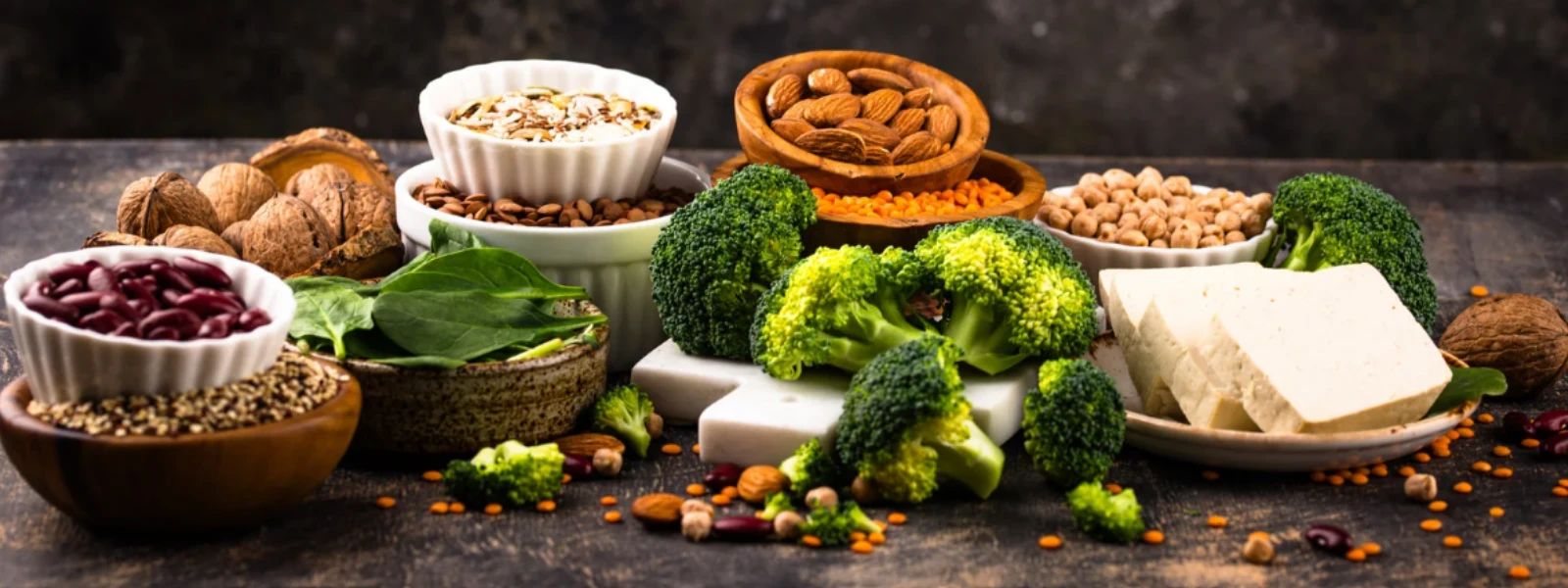


Your skin reflects what you feed your body from within. While skincare routines focus on external treatments, the foundation of radiant skin begins with proper nutrition—specifically, the proteins that build and repair your skin cells daily. Two popular supplement categories have emerged as game-changers for beauty-conscious consumers: BCAAs (Branched-Chain Amino acids) and plant protein powders.
The question isn't just which is better BCAA or plant protein powder for your fitness goals—it's about understanding how each impacts your skin health differently. This comprehensive guide examines the science behind both options, helping you make an informed choice for your skin's long-term vitality and appearance.
BCAAs consist of three essential amino acids: leucine, isoleucine, and valine. These compounds bypass liver metabolism and go directly to your muscles, making them rapidly available for protein synthesis. The BCAA benefits for skin stem from their role in collagen production—the protein that gives your skin its structure and elasticity.
Leucine, the most abundant BCAA, triggers muscle protein synthesis pathways that also support skin cell regeneration. Research shows that adequate leucine intake helps maintain skin thickness and reduces the appearance of fine lines. The BCAA for hair and nails benefits work similarly, as these structures are primarily made of keratin, another protein that requires amino acid building blocks.
BCAAs offer caloric efficiency too. With only 4 calories per gram compared to complete proteins, they support lean muscle maintenance without excess calories that might contribute to inflammation-related skin issues.
Plant protein for skin offers a different approach to beauty nutrition. Quality plant proteins from pea, hemp, and rice provide complete amino acid profiles while delivering additional compounds that directly benefit skin health.
The vegan protein skin health advantage lies in the antioxidant compounds naturally present in plant sources. These phytonutrients help combat free radical damage that accelerates skin aging. Plant based protein benefits extend beyond basic amino acids to include anti-inflammatory properties that can improve skin clarity and reduce redness.
Plant proteins also contain fiber, which supports the gut-skin axis—the connection between digestive health and skin appearance. A healthy gut microbiome contributes to clearer, more radiant skin by reducing systemic inflammation.
BCAAs absorb rapidly, reaching peak blood levels within 30 minutes of consumption. This quick availability makes them ideal for immediate post-workout recovery when your skin cells are also repairing exercise-induced stress. However, this rapid absorption also means the effects are shorter-lived.
Plant protein offers sustained amino acid release over 2-3 hours, providing a steady supply of building blocks for ongoing skin repair processes. This sustained release pattern better supports the continuous nature of skin cell turnover, which occurs 24/7.
For muscle protein synthesis that supports skin elasticity, both options are effective, but timing matters. BCAAs work best around workouts, while plant protein provides consistent support throughout the day.
When comparing protein supplements for beauty, completeness matters. BCAAs provide only three of the nine essential amino acids your body needs for optimal protein synthesis. While these three are crucial, your skin requires all essential amino acids for complete collagen production.
Quality plant proteins offer complete amino acid profiles comparable to animal proteins. They also provide additional micronutrients like Vitamin C, zinc, and magnesium that support collagen synthesis and skin health. The caloric density difference means plant protein provides more comprehensive nutrition per serving.
Collagen synthesis requires specific amino acids in precise ratios. Leucine from BCAAs triggers the mTOR pathway, signaling your body to build new proteins including collagen. However, without adequate supplies of other amino acids like glycine, proline, and hydroxyproline, this signal cannot be fully executed.
Research indicates that the best protein for skin provides not just leucine, but the complete amino acid spectrum needed for collagen formation. Studies show that complete protein sources lead to 25% greater collagen synthesis compared to isolated amino acids.
Age-related protein needs increase as natural collagen production declines by 1% annually after age 25. Both BCAAs and plant protein can help offset this decline, but complete proteins offer more comprehensive support for maintaining skin structure.
Plant protein's antioxidant advantage becomes particularly relevant for inflammatory skin conditions. The polyphenols and flavonoids in plant proteins help reduce inflammatory markers that contribute to acne, rosacea, and premature aging.
BCAAs also offer anti-inflammatory benefits, particularly in reducing exercise-induced oxidative stress that can affect skin appearance. However, these effects are more targeted to post-exercise recovery rather than general skin inflammation.
Did You Know?
Studies show that people consuming plant-based proteins have 23% lower levels of inflammatory markers compared to those relying solely on isolated amino acids. This reduction in systemic inflammation translates to clearer, more even-toned skin over time.
For protein powder for glowing skin results, timing and dosage matter significantly. BCAAs work best in 10-15 gram doses taken 30 minutes before or immediately after workouts. This timing maximizes their recovery benefits and supports skin repair from exercise-induced stress.
Plant protein serves skin health goals with 20-30 gram servings taken consistently throughout the day. Morning consumption supports overnight skin repair, while evening doses provide amino acids for nighttime cellular regeneration.
Combining both approaches can offer synergistic benefits: BCAAs for targeted workout recovery and plant protein for comprehensive daily skin nutrition.
Internal protein support works best when combined with proper hydration and topical treatments. The amino acids from supplements provide raw materials for skin repair, while external skincare helps protect and enhance these internal benefits.
Lifestyle factors significantly impact protein utilization for skin health. Adequate sleep, stress management, and regular exercise enhance how effectively your body uses supplemental proteins for skin benefits.
BCAAs excel for individuals primarily focused on exercise recovery with skin benefits as a secondary goal. If you're following a calorie-restricted diet for weight loss, BCAAs provide targeted amino acids without excess calories that might contribute to skin inflammation.
They're particularly effective for addressing workout-related skin stress, such as the oxidative damage from intense training that can accelerate skin aging.
Plant protein offers superior comprehensive nutrition for sustained skin support. It's ideal for individuals with sensitive skin prone to inflammation, as the anti-inflammatory compounds provide ongoing protection against environmental stressors.
For long-term anti-aging and skin health maintenance, plant protein's complete amino acid profile and additional micronutrients make it the more effective choice.
Strategic timing of both supplements can provide synergistic effects. Use BCAAs around workouts for immediate recovery support, and plant protein at other times for comprehensive skin nutrition. This approach maximizes benefits while remaining budget-friendly.
When selecting the best protein for skin, look for third-party tested products free from artificial additives that might trigger skin reactions. Quality markers include complete amino acid profiles, minimal processing, and absence of common allergens.
Avoid products with artificial sweeteners, colors, or preservatives that can contribute to skin inflammation in sensitive individuals.
Both BCAAs and plant protein work best when combined with skin-supporting nutrients. Vitamin C enhances collagen synthesis, while zinc supports skin healing and repair. Omega-3 fatty acids improve skin barrier function and reduce inflammation.
Proper hydration and mineral balance, particularly magnesium, support the enzymatic processes that convert amino acids into skin-building proteins.
BCAAs offer targeted amino acids for rapid absorption and muscle recovery, while plant protein provides complete nutrition with anti-inflammatory benefits. For comprehensive skin health, plant protein typically offers superior long-term benefits due to its complete amino acid profile and additional antioxidants.
Yes, quality plant proteins like pea and rice contain comparable BCAA levels to whey protein, plus additional antioxidants and phytonutrients that support skin health through anti-inflammatory pathways. You get the benefits of BCAAs along with complete protein nutrition.
BCAAs alone aren't a complete protein source and lack the full amino acid profile needed for optimal collagen production. They work best as targeted supplements alongside complete protein sources rather than replacements for comprehensive protein nutrition.
Plant protein typically shows skin benefits within 4-6 weeks due to its anti-inflammatory compounds, while BCAA effects on muscle-supported skin structure may be noticeable within 2-3 weeks of consistent use. However, sustainable skin health requires long-term consistent protein intake.
High-quality supplements rarely cause skin issues, but some individuals may experience breakouts from certain protein sources. Plant proteins are generally better tolerated for skin health and less likely to cause inflammatory reactions compared to some dairy-based options.
The choice between BCAAs and plant protein for skin health depends on your specific goals and lifestyle. While BCAAs offer targeted benefits for exercise recovery and lean muscle maintenance, plant protein provides comprehensive nutrition that supports long-term skin vitality through complete amino acid profiles and anti-inflammatory compounds. For optimal skin health, consider your individual needs, budget, and whether you prefer targeted supplementation or comprehensive nutritional support. Both options can contribute to healthier, more radiant skin when used consistently as part of a balanced approach to nutrition and skincare.


Someone sent you
Error
Powered by ReferRush


