Checklist: 7 Skin Benefits of Vitamin B12 in Curd
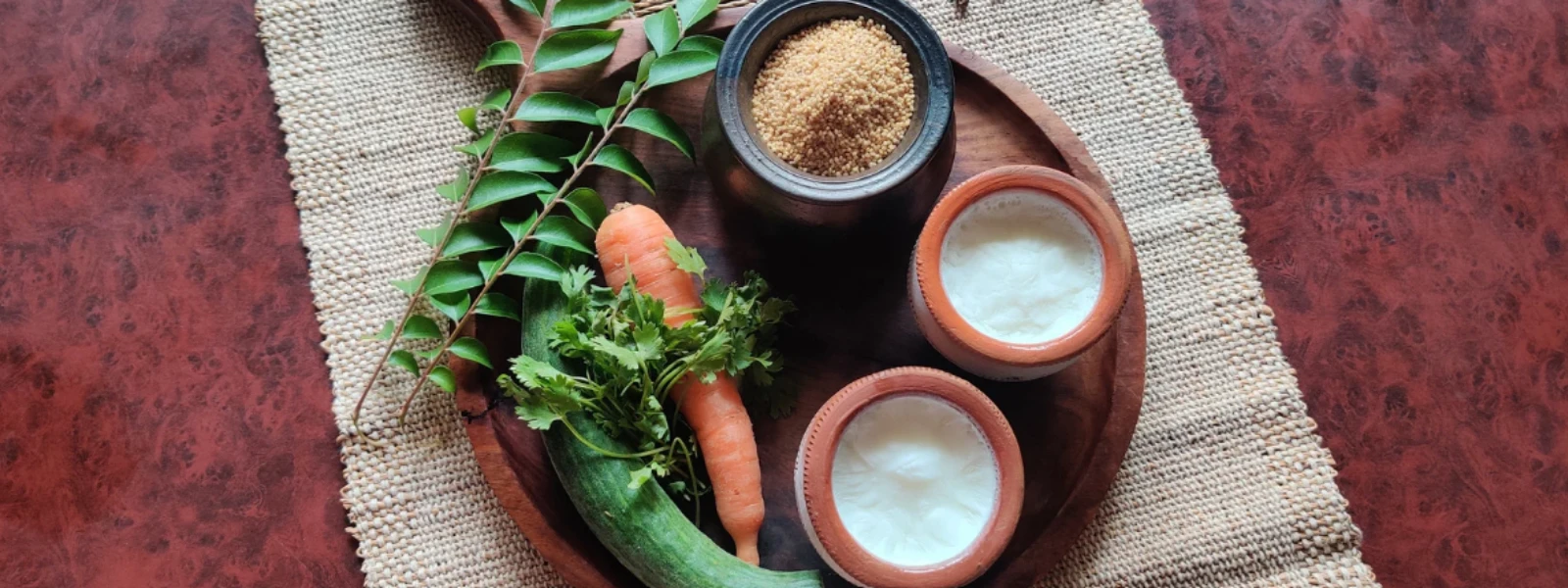


Your skin tells a story, and what you eat plays a starring role in that narrative. While the beauty industry floods us with synthetic solutions, nature offers something surprisingly effective: the humble combination of vitamin B12 in curd. This traditional dairy product, beloved across cultures, holds remarkable secrets for achieving radiant, healthy skin that science is just beginning to fully understand.
Curd isn't just a kitchen staple—it's a nutritional powerhouse that delivers vitamin B12 alongside beneficial probiotics, proteins, and essential nutrients. When these elements work together, they create a synergistic effect that can transform your skin from the inside out. Understanding how vitamin B12 in curd benefits your skin opens doors to natural skincare solutions that are both accessible and scientifically backed.
Curd contains approximately 0.4 to 0.9 micrograms of vitamin B12 per 100 grams, making it a valuable source of this essential nutrient. The fermentation process that transforms milk into curd actually enhances the bioavailability of vitamin B12, creating a form that your body can absorb more efficiently than many synthetic supplements.
During fermentation, beneficial bacteria work to break down proteins and create an environment where vitamin B12 becomes more accessible to your digestive system. This natural process also produces additional compounds that support overall health, including your skin's appearance and function.
The magic happens when specific bacterial strains, particularly Lactobacillus bulgaricus and Streptococcus thermophilus, convert milk into curd. These bacteria don't just create the tangy flavor and smooth texture—they also synthesize vitamin B12 and make existing B12 more bioavailable. This bacterial activity creates a living food that continues to provide benefits even after consumption.
For vegetarians who struggle to find adequate vitamin B12 sources, curd represents a crucial dietary component. Unlike plant-based foods, which typically contain little to no vitamin B12, curd provides this essential nutrient in a form that vegetarian diets can easily incorporate.
Vitamin B12 plays a fundamental role in DNA synthesis and cellular division, processes that are essential for healthy skin regeneration. When your skin cells divide properly, they create new, healthy tissue that replaces damaged or aged cells more effectively.
This cellular renewal process directly impacts collagen production, the protein responsible for skin elasticity and firmness. Adequate vitamin B12 levels support the enzymes involved in collagen synthesis, helping maintain skin structure and reducing the appearance of fine lines and wrinkles.
Research published in the Journal of Cosmetic Dermatology indicates that vitamin B12 deficIENcy can impair wound healing and cellular repair mechanisms. By ensuring adequate intake through curd consumption, you're providing your skin with the tools it needs for optimal regeneration.
The combination of vitamin B12 and the natural proteins in curd creates a powerful hydration system for your skin. Vitamin B12 supports the production of healthy red blood cells, which carry oxygen and nutrients to skin cells, promoting that coveted natural glow.
Curd's protein content helps maintain skin barrier function, preventing moisture loss and keeping skin supple. The amino acids in curd protein support the production of natural moisturizing factors, compounds that help your skin retain water and maintain optimal hydration levels.
When applied topically, curd can also provide immediate hydration benefits. The lactic acid naturally present in curd acts as a gentle exfoliant, removing dead skin cells and allowing moisturizing components to penetrate more effectively.
Vitamin B12 functions as a potent antioxidant, protecting skin cells from damage caused by free radicals. These unstable molecules, generated by UV exposure, pollution, and stress, can accelerate aging and damage cellular structures.
The antioxidant properties of vitamin B12 work alongside other compounds in curd to create a comprehensive defense system against oxidative stress. This protection helps prevent premature aging, maintains skin elasticity, and preserves the skin's natural repair mechanisms.
Did You Know?
Studies show that vitamin B12 can neutralize nitric oxide, a free radical that damages skin cells and accelerates aging. Regular consumption of B12-rich foods like curd may help maintain youthful skin appearance by reducing oxidative damage at the cellular level.
Inflammation is often the root cause of various skin concerns, from acne to premature aging. Vitamin B12 possesses anti-inflammatory properties that can help calm irritated skin and reduce redness.
The probiotics naturally present in curd also contribute to inflammation reduction by supporting a healthy gut microbiome. Research demonstrates a strong connection between gut health and skin condition, often referred to as the gut-skin axis. When your digestive system functions optimally, it reduces systemic inflammation that can manifest as skin problems.
Additionally, the cooling properties of curd can provide immediate relief when applied topically to inflamed or irritated skin, making it a natural remedy for sunburn or minor skin irritations.
Vitamin B12 plays a role in regulating melanin production, the pigment responsible for skin color. Proper B12 levels help maintain balanced melanin distribution, which can reduce the appearance of dark spots and hyperpigmentation.
The lactic acid in curd acts as a natural skin brightener, gently exfoliating the top layer of skin to reveal fresher, more evenly toned skin underneath. This natural exfoliation process helps fade dark spots over time and promotes a more uniform complexion.
Regular consumption of vitamin B12 through curd supports the body's natural processes for maintaining even skin tone, while topical application can provide additional brightening benefits.
The beneficial bacteria in curd don't just support digestive health—they also influence your skin's microbiome. A balanced skin microbiome is crucial for preventing acne, reducing inflammation, and maintaining overall skin health.
When consumed regularly, the probiotics in curd help maintain a healthy balance of bacteria in your gut, which indirectly supports skin health through the gut-skin connection. This internal balance can lead to clearer, healthier-looking skin with fewer breakouts and irritations.
Topical application of curd can also introduce beneficial bacteria directly to the skin surface, helping to maintain the delicate balance of microorganisms that protect against harmful bacteria and environmental damage.
Vitamin B12 is essential for proper immune system function, including the immune responses that occur in your skin. Adequate B12 levels help your skin's natural defense mechanisms work more effectively, protecting against environmental stressors and potential infections.
The immune-supporting properties of vitamin B12, combined with the probiotics and proteins in curd, create a comprehensive support system for skin health. This enhanced immune function can help prevent skin infections, reduce the severity of inflammatory skin conditions, and promote faster healing of minor wounds or blemishes.
Harnessing the skin benefits of vitamin B12 in curd doesn't require expensive treatments or complicated procedures. Simple, homemade preparations can deliver impressive results when used consistently.
Combine two tablespoons of fresh curd with one teaspoon of honey and a pinch of turmeric. This mixture provides vitamin B12, probiotics, and additional antioxidants. Apply to clean skin, leave for 15-20 minutes, then rinse with lukewarm water. The honey adds moisturizing properties while turmeric provides additional anti-inflammatory benefits.
Mix three tablespoons of curd with one teaspoon of lemon juice and one teaspoon of oatmeal powder. This combination leverages the vitamin B12 and lactic acid in curd alongside the vitamin C in lemon and the gentle exfoliating properties of oatmeal. Apply twice weekly for best results.
Always use fresh, high-quality curd for topical applications. Test any new mixture on a small patch of skin before full application. Apply treatments to clean skin and avoid the delicate eye area. Follow up with a gentle moisturizer to lock in the benefits.
To get the most skin benefits from vitamin B12 in curd, consider how you consume and pair this nutritious food. Eating curd with foods rich in vitamin C can enhance absorption, as vitamin C helps convert vitamin B12 into its active form.
Pair curd with berries, citrus fruits, or vegetables like bell peppers to boost vitamin C intake. Iron-rich foods like spinach or legumes can also support the body's ability to utilize vitamin B12 effectively. However, avoid consuming curd with heavy, fatty meals, as this can slow absorption.
Choose curd made from organic, grass-fed milk when possible, as this typically contains higher levels of beneficial nutrients. Homemade curd often retains more active probiotics than commercial varieties, potentially offering greater skin benefits.
Store curd properly in the refrigerator and consume it fresh to maintain maximum vitamin B12 content and probiotic activity. Avoid heating curd extensively, as high temperatures can destroy beneficial bacteria and reduce vitamin content.
For optimal skin benefits, aim for 100-150 grams of curd daily. This amount provides approximately 0.4-1.4 micrograms of vitamin B12, contributing to your daily needs while delivering probiotics and proteins that support skin health. However, individual needs may vary based on overall diet and health status.
Many people with mild lactose intolerance can tolerate curd better than milk because the fermentation process breaks down much of the lactose. The beneficial bacteria in curd also produce lactase, the enzyme needed to digest lactose. However, those with severe lactose intolerance should consult a healthcare provider before adding curd to their diet.
Skin improvements from dietary changes typically become noticeable after 4-8 weeks of consistent consumption. However, topical applications of curd may provide immediate temporary benefits like improved hydration and a brighter appearance. Long-term benefits require patience and consistency in both internal consumption and external application.
While curd is generally safe for most people, excessive consumption may lead to digestive discomfort in sensitive individuals. High intake of dairy products may also contribute to increased mucus production in some people. Moderation is key—stick to recommended daily amounts for optimal benefits without adverse effects.
Store-bought curd can be used for topical treatments, but choose varieties with live, active cultures and minimal additives. Plain, unsweetened curd works best for skin applications. Fresh, homemade curd typically contains more active probiotics and may provide superior benefits, but quality commercial curd can still offer valuable skin-supporting properties.
The powerful combination of vitamin B12 in curd offers a natural, accessible path to healthier, more radiant skin. From cellular regeneration and hydration to inflammation reduction and microbiome support, these seven benefits demonstrate how traditional foods can address modern skincare concerns effectively. By incorporating curd into both your diet and skincare routine, you're tapping into centuries of traditional wisdom backed by contemporary scientific understanding. Remember that consistent consumption and application, combined with a balanced diet and proper skincare habits, will yield the best results for your skin health journey.



