Checklist: 7 Vitamin B12-Rich Indian Foods for Wellness
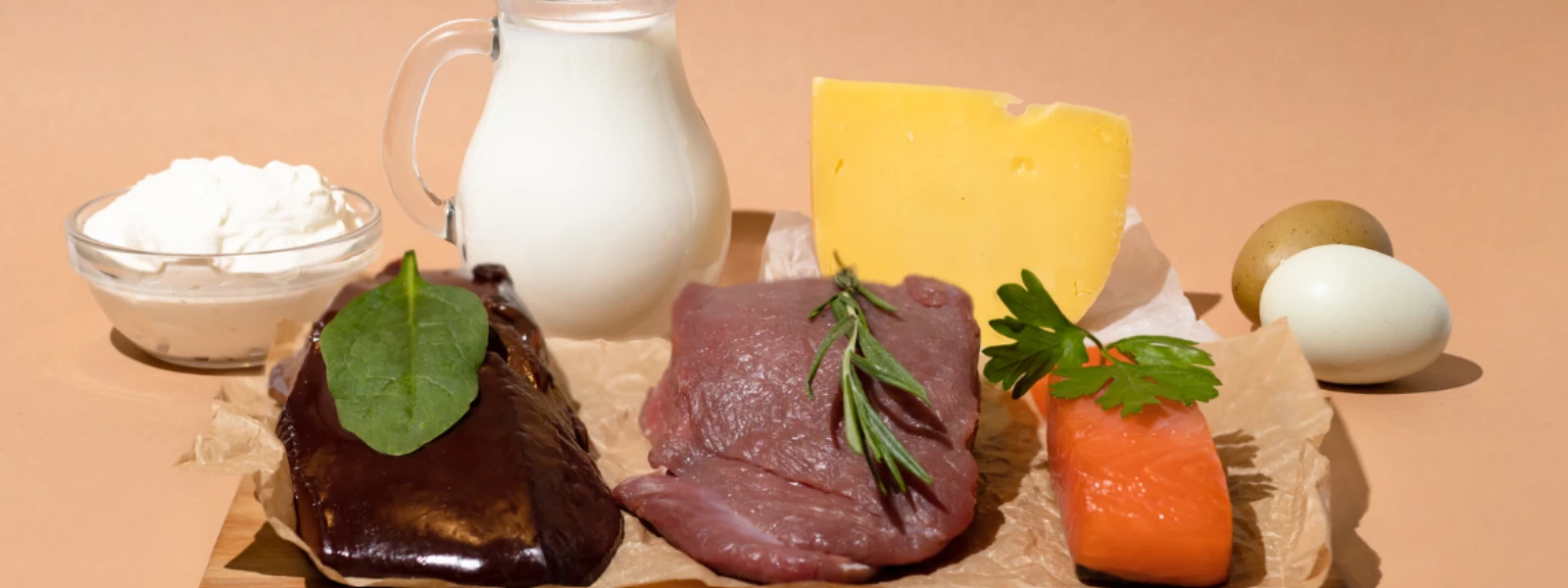


Vitamin B12 stands as one of the most crucial nutrients for maintaining optimal health, yet it remains one of the most commonly deficient vitamins, especially among those following plant-based diets. This water-soluble vitamin plays a vital role in energy production, nerve function, and DNA synthesis. What makes this particularly relevant for health-conscious individuals in India is the abundance of traditional foods that can naturally support B12 intake when chosen wisely.
The connection between Vitamin B12 and wellness extends far beyond basic nutrition. This essential nutrient directly impacts skin health, contributing to cell regeneration and maintaining that coveted natural glow. For the modern Indian consumer seeking to optimize health through traditional dietary choices, understanding which foods naturally contain or support B12 absorption becomes crucial for long-term wellness.
Vitamin B12, scientifically known as cobalamin, serves as a co-factor in numerous metabolic processes within the body. This nutrient is essential for the formation of red blood cells, proper nervous system function, and DNA synthesis. Unlike other vitamins, B12 has a unique structure containing cobalt, which gives it distinctive properties in supporting cellular metabolism.
The recommended daily intake varies by age and life stage. Adults typically require 2.4 micrograms daily, while pregnant and lactating women need higher amounts. Understanding these requirements helps in planning a diet that adequately supports B12 needs through natural food sources.
Recognizing B12 deficiency early can prevent long-term health complications. Common symptoms include persistent fatigue, weakness, and pale skin. Neurological symptoms may manifest as tingling in hands and feet, difficulty walking, or memory problems. From a beauty perspective, B12 deficiency can lead to premature graying of hair, skin pigmentation issues, and delayed wound healing.
Did You Know?
Your body can store Vitamin B12 in the liver for up to 2-5 years, which explains why deficiency symptoms often develop gradually over time. This storage capacity also means that consistent dietary intake is more important than daily precise amounts.
Indian cuisine traditionally revolves around dairy products, making them excellent sources of Vitamin B12 for vegetarians. These foods have been staples in Indian households for generations, providing not just nutrition but also cultural significance.
Fresh cow's milk contains approximately 0.9 micrograms of Vitamin B12 per cup, contributing significantly to daily requirements. Buffalo milk, commonly consumed in northern India, contains even higher levels. The bioavailability of B12 from milk is excellent, making it an ideal choice for daily consumption.
Traditional preparation methods like boiling milk with turmeric or cardamom not only enhance flavor but may also improve nutrient absorption. Consuming milk at room temperature or slightly warm is often better tolerated than cold milk, especially for those with sensitive digestion.
Fresh paneer provides approximately 0.7 micrograms of Vitamin B12 per 100 grams. This cottage cheese variant is not only rich in B12 but also provides high-quality protein essential for skin health and muscle maintenance. The combination of B12 and protein in paneer makes it particularly beneficial for those seeking to improve skin texture and overall vitality.
Homemade paneer often retains higher nutrient levels compared to commercially processed versions. Preparing paneer with organic milk from grass-fed cows can further enhance its nutritional profile.
Traditional Indian curd provides approximately 0.5 micrograms of Vitamin B12 per cup. The fermentation process involved in curd preparation may enhance B12 bioavailability. Additionally, the probiotics in fresh curd support gut health, which is crucial for optimal B12 absorption.
Greek yogurt varieties contain even higher concentrations of B12. Consuming curd with meals aids in B12 absorption, particularly when combined with foods containing folate and Vitamin C.
For those who include eggs in their diet, these provide one of the most concentrated sources of Vitamin B12 available in Indian cuisine. Eggs offer exceptional nutritional value beyond just B12 content.
One large egg provides approximately 0.6 micrograms of Vitamin B12, with the majority concentrated in the yolk. The B12 in eggs is highly bioavailable, meaning the body can efficiently absorb and utilize it. Eggs also provide other nutrients that work synergistically with B12, including folate and choline.
Traditional Indian egg preparations like masala omelette or egg curry not only provide B12 but also incorporate spices that may enhance nutrient absorption. Turmeric, commonly used in egg dishes, contains compounds that support overall nutrient utilization.
For those who consume non-vegetarian foods, several options provide exceptional B12 content while fitting into traditional Indian cuisine patterns.
Indian coastal cuisines feature numerous fish varieties that are excellent B12 sources. Mackerel provides approximately 8.7 micrograms per 100 grams, while sardines offer about 8.9 micrograms. These fatty fish also provide omega-3 fatty acids that complement B12's benefits for skin health.
Traditional preparations like fish curry or grilled fish with Indian spices not only preserve B12 content but also enhance the overall nutritional profile through spice combinations. Turmeric, mustard seeds, and curry leaves commonly used in fish preparations provide additional antioxidants.
Chicken breast provides approximately 0.3 micrograms of Vitamin B12 per 100 grams, while chicken liver contains much higher concentrations at about 16.6 micrograms per 100 grams. Traditional Indian chicken preparations often include liver, making dishes like chicken curry particularly B12-rich.
The food industry has responded to B12 deficiency concerns by fortifying various products, creating new opportunities for incorporating this essential nutrient into traditional Indian diets.
Nutritional yeast provides approximately 7.8 micrograms of Vitamin B12 per tablespoon when fortified. This deactivated yeast has a nutty, cheese-like flavor that works well in Indian cuisine. It can be sprinkled on dal, mixed into chutneys, or incorporated into spice blends.
Fortified soy milk, almond milk, and other plant-based alternatives often contain added B12, typically providing 1.2 micrograms per cup. These alternatives work well in traditional Indian beverages like turmeric latte or can be used in cooking traditional dishes.
Many breakfast cereals and grain products are now fortified with B12. Some fortified products provide 25-100% of daily B12 requirements per serving. Reading labels carefully helps identify products with significant B12 content.
Traditional Indian cuisine includes several foods that may provide small amounts of B12 or support its absorption and utilization.
Fermented foods like idli and dosa may contain trace amounts of B12 produced during fermentation. While not reliable primary sources, these foods support gut health, which is crucial for B12 absorption. The fermentation process also enhances the bioavailability of other nutrients.
Certain mushroom varieties, particularly those grown in B12-rich soil or specifically cultivated to contain B12, can provide this nutrient. Shiitake mushrooms, increasingly available in Indian markets, may contain small amounts of B12.
Understanding how to optimize B12 absorption helps maximize the benefits of B12-rich foods in your diet.
Vitamin B12 absorption requires adequate stomach acid and intrinsic factor, a protein produced in the stomach. Consuming B12-rich foods with foods that naturally support stomach acid production, such as ginger or black pepper commonly used in Indian cuisine, may enhance absorption.
Folate and B12 work together in many metabolic processes. Including folate-rich foods like leafy greens, legumes, and citrus fruits alongside B12 sources creates nutritional synergy.
Vitamin B12 is relatively stable during cooking, but excessive heat can reduce its bioavailability. Gentle cooking methods like steaming, light sautéing, or traditional slow cooking in Indian clay pots help preserve nutrient content.
When preparing dairy-based dishes, avoiding prolonged high-heat cooking helps maintain B12 levels. Traditional methods like making fresh paneer at home preserve more nutrients than commercial processing.
The body can only absorb about 1.5-2 micrograms of B12 at a time, making frequent small doses more effective than large occasional doses. Spreading B12-rich foods throughout the day optimizes absorption.
Consuming B12-rich foods on an empty stomach may enhance absorption for some individuals, while others absorb it better with meals. Individual experimentation helps determine the optimal approach.
The relationship between Vitamin B12 and skin health extends beyond basic nutrition, influencing cellular regeneration, collagen synthesis, and overall skin appearance.
Vitamin B12 plays a crucial role in DNA synthesis and cell division, directly impacting skin cell turnover. Adequate B12 levels support the skin's natural regeneration process, helping maintain a healthy, youthful appearance.
B12 deficiency can manifest as various skin conditions, including hyperpigmentation, vitiligo-like patches, or delayed wound healing. Ensuring adequate intake through diet supports the skin's natural repair mechanisms.
By supporting cellular energy production and DNA repair, Vitamin B12 contributes to anti-aging processes at the cellular level. This nutrient helps maintain skin elasticity and may slow the appearance of fine lines and wrinkles.
The combination of B12 with other nutrients found in traditional Indian foods, such as antioxidants from spices and healthy fats from dairy or fish, creates a comprehensive approach to skin health through nutrition.
Vegetarians can obtain B12 from dairy products, eggs (if consumed), and fortified foods. However, strict vegetarians may need to be more strategic about their food choices and may benefit from fortified foods or supplements to meet daily requirements consistently.
Adults typically need 2.4 micrograms daily, while pregnant women require 2.6 micrograms and lactating women need 2.8 micrograms. These amounts can usually be met through a combination of B12-rich foods consumed throughout the day.
For most people consuming adequate amounts of B12-rich foods regularly, supplements may not be necessary. However, individuals with absorption issues, strict vegetarians, or those with certain health conditions may benefit from supplementation under professional guidance.
B12 can be consumed at any time, but spreading intake throughout the day may enhance absorption. Some people find consuming B12-rich foods with meals improves tolerance, while others prefer having them on an empty stomach for better absorption.
Early signs include fatigue, pale skin, slight yellowing of skin or eyes, smooth tongue, and minor memory issues. Skin-related symptoms may include slow wound healing, changes in pigmentation, or premature graying of hair.
Incorporating Vitamin B12-rich Indian foods into your daily diet provides a natural, culturally relevant approach to supporting optimal health and radiant skin. From traditional dairy products like fresh paneer and curd to nutrient-dense options like eggs and fish, Indian cuisine offers diverse opportunities to meet B12 requirements naturally. The key lies in understanding which foods provide the highest B12 content and how to prepare them in ways that maximize nutrient absorption. By combining traditional wisdom with modern nutritional science, you can create a sustainable approach to B12 nutrition that supports both wellness and beauty goals. Remember that individual needs vary, and consulting with nutrition professionals can help create personalized strategies for optimal B12 intake through dietary choices.



