Checklist: 7 Vitamin B12-Rich Indian Vegetarian Foods
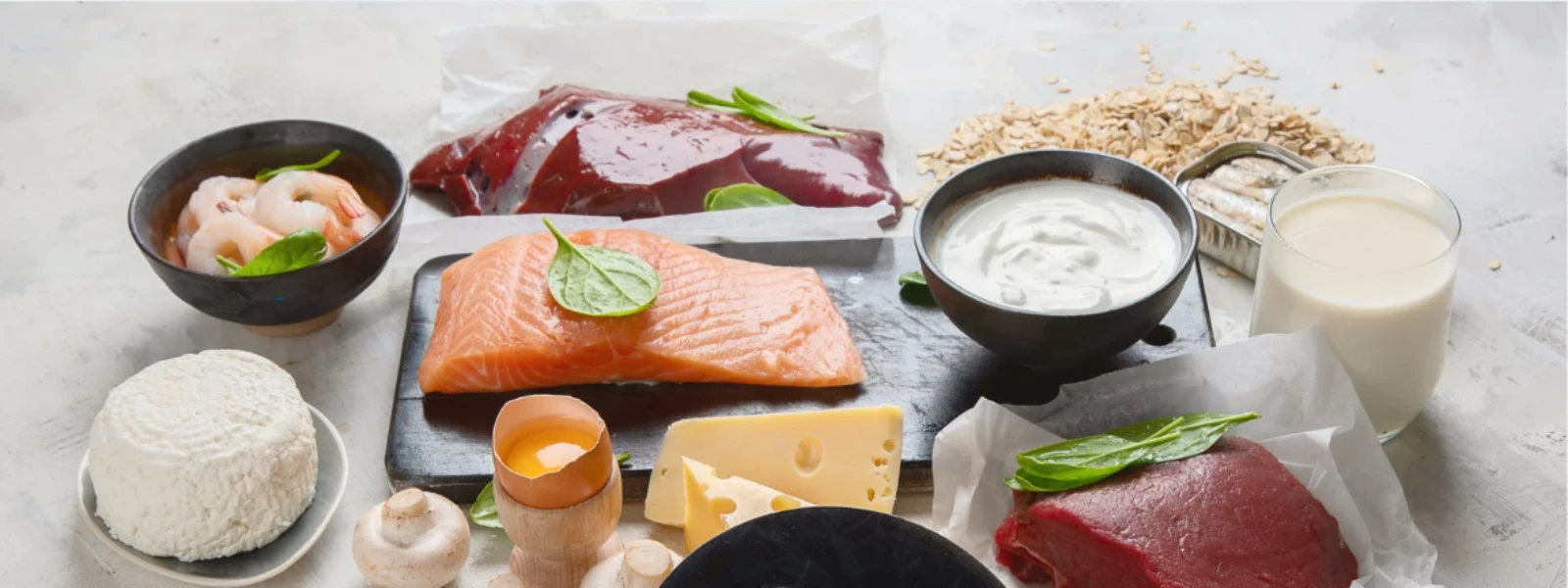


Vitamin B12 deficiency affects nearly 47% of vegetarians worldwide, making it one of the most critical nutritional concerns for those following plant-based diets. For Indian vegetarians, this challenge becomes even more pronounced due to traditional dietary patterns that may lack sufficient B12-rich sources. This essential vitamin plays a crucial role not only in energy production and nerve function but also in maintaining healthy skin, hair, and overall vitality.
Understanding which vitamin B12 rich Indian vegetarian foods can help bridge this nutritional gap is essential for optimal health. While plant foods naturally contain minimal B12, several traditional Indian foods and modern alternatives can help vegetarians meet their daily requirements effectively.
Vitamin B12, also known as cobalamin, is a water-soluble vitamin that your body cannot produce on its own. Unlike other B vitamins, B12 is primarily found in animal products, making it challenging for vegetarians to obtain adequate amounts through diet alone.
Most plant foods contain virtually no vitamin B12, as this nutrient is primarily synthesized by bacteria found in animal digestive systems. This biological reality means vegetarians must be particularly strategic about their B12 intake through specific food choices and potentially supplementation.
The recommended daily intake of vitamin B12 for adults is 2.4 micrograms, though pregnant and lactating women require higher amounts. Signs of B12 deficiency include fatigue, weakness, constipation, loss of appetite, and neurological changes such as numbness and tingling in hands and feet.
Vitamin B12 plays a vital role in skin health by supporting cell reproduction and renewal. Adequate B12 levels help maintain healthy skin tone, prevent premature aging, and support the formation of red blood cells that carry oxygen to skin tissues.
Dairy products remain the most reliable natural source of vitamin B12 for Indian vegetarians, offering both nutritional value and cultural familiarity.
One cup of whole milk provides approximately 1.1 micrograms of vitamin B12, nearly half the daily requirement. Regular consumption of milk, whether as a standalone beverage or incorporated into traditional preparations like lassi or masala chai, can significantly contribute to B12 intake.
Buffalo milk, commonly consumed in parts of India, contains slightly higher B12 levels than cow's milk. The bioavailability of B12 from milk is excellent, making it an efficient source for the body's needs.
Fresh yogurt (curd) contains about 0.9 micrograms of B12 per cup and offers additional probiotic benefits. Traditional preparations like buttermilk (chaas) and raita not only provide B12 but also aid digestion and nutrient absorption.
The fermentation process in yogurt production may slightly enhance B12 bioavailability, making it a particularly valuable addition to vegetarian diets.
Cottage cheese (paneer) provides approximately 0.8 micrograms of B12 per 100 grams. Other cheese varieties popular in Indian cuisine, such as processed cheese used in sandwiches and pasta, often contain higher B12 levels due to fortification during manufacturing.
Did You Know?
The B12 content in dairy products can vary significantly based on the animal's diet and seasonal factors. Grass-fed dairy typically contains higher B12 levels compared to conventionally raised alternatives.
The food industry has responded to vegetarian nutritional needs by developing fortified products that can help bridge the B12 gap effectively.
Many commercially available breakfast cereals are fortified with vitamin B12, providing anywhere from 25% to 100% of the daily value per serving. Popular brands in India now offer fortified options that can be easily incorporated into morning routines.
When selecting fortified cereals, check the nutrition label for B12 content and choose options with minimal added sugars to maximize health benefits.
Fortified plant milks such as soy, almond, and oat milk can provide substantial B12 amounts, often matching or exceeding dairy milk levels. One cup of fortified soy milk typically contains 2.0-3.0 micrograms of B12.
These alternatives have gained popularity in Indian urban centers and offer options for those with lactose intolerance or dairy sensitivities.
India's rich tradition of fermented foods offers some unique opportunities for vegetarian B12 intake, though levels are generally lower than dairy sources.
Traditional South Indian fermented foods like idli and dosa contain trace amounts of vitamin B12 produced during the fermentation process. While not significant sources on their own, they can contribute to overall B12 intake when consumed regularly.
The fermentation process involved in preparing these foods encourages bacterial growth that can synthesize small amounts of B12. However, the levels are typically insufficient to meet daily requirements alone.
Some traditional Indian pickles and fermented vegetables may contain trace amounts of B12, though research on exact content levels remains limited. These foods primarily serve as flavor enhancers rather than significant B12 sources.
Modern food science has identified several emerging sources that can help vegetarians diversify their B12 intake.
Nutritional yeast, while not traditionally Indian, has gained popularity among health-conscious vegetarians. Fortified nutritional yeast can provide up to 24 micrograms of B12 per serving, making it one of the most concentrated vegetarian sources available.
This cheese-flavored supplement can be sprinkled on dal, vegetables, or incorporated into Indian fusion recipes for both flavor and nutrition.
Certain mushroom species, particularly shiitake, contain small amounts of B12. While not substantial sources, incorporating various mushroom types into curries and stir-fries can contribute to overall intake.
Simply consuming B12-rich foods isn't enough; optimizing absorption is crucial for meeting nutritional needs effectively.
Vitamin B12 is relatively stable during cooking, but prolonged exposure to light and heat can reduce its potency. Store dairy products properly and avoid overcooking to preserve B12 content.
Consuming B12-rich foods with a source of vitamin C can enhance absorption. Traditional combinations like lassi with fruit or yogurt with berries naturally support this process.
The body can only absorb a limited amount of B12 at one time, making frequent small doses more effective than large sporadic intakes. Spreading B12-rich foods throughout the day optimizes absorption.
Despite best efforts with food sources, many vegetarians benefit from B12 supplementation. This is particularly important for those with limited dairy intake or absorption issues.
Consulting with a healthcare provider can help determine if supplementation is necessary based on individual dietary patterns and blood B12 levels.
While possible through careful food selection and adequate dairy consumption, many vegetarians struggle to meet B12 requirements through food alone. Regular monitoring and potential supplementation are often recommended.
Dairy products like milk, yogurt, and paneer provide the highest natural B12 levels for Indian vegetarians. Fortified foods like cereals and plant milks can offer even higher amounts.
B12 deficiency can lead to pale skin, dark spots, and delayed wound healing. Adequate B12 supports healthy cell turnover and maintains skin's natural glow and elasticity.
Not all vegetarians require supplements, but those with limited dairy intake, absorption issues, or diagnosed deficiency often benefit from supplementation under medical guidance.
B12 levels typically begin improving within weeks of increased intake, though full replenishment of depleted stores may take several months depending on severity of deficiency.
Meeting vitamin B12 requirements on a vegetarian diet requires intentional food choices and awareness of reliable sources. The seven categories of vitamin B12 rich Indian vegetarian foods outlined here provide practical options for maintaining adequate B12 levels while honoring dietary preferences. From traditional dairy products to modern fortified alternatives, vegetarians have multiple pathways to support their B12 needs. Regular inclusion of these foods, combined with periodic health monitoring, can help ensure optimal vitamin B12 status for better energy, neurological function, and skin health. For those seeking comprehensive nutritional support, exploring quality supplements alongside whole food sources can provide additional assurance in meeting daily requirements.



