Collagen vs Peptides: Which Boosts Skin Better?
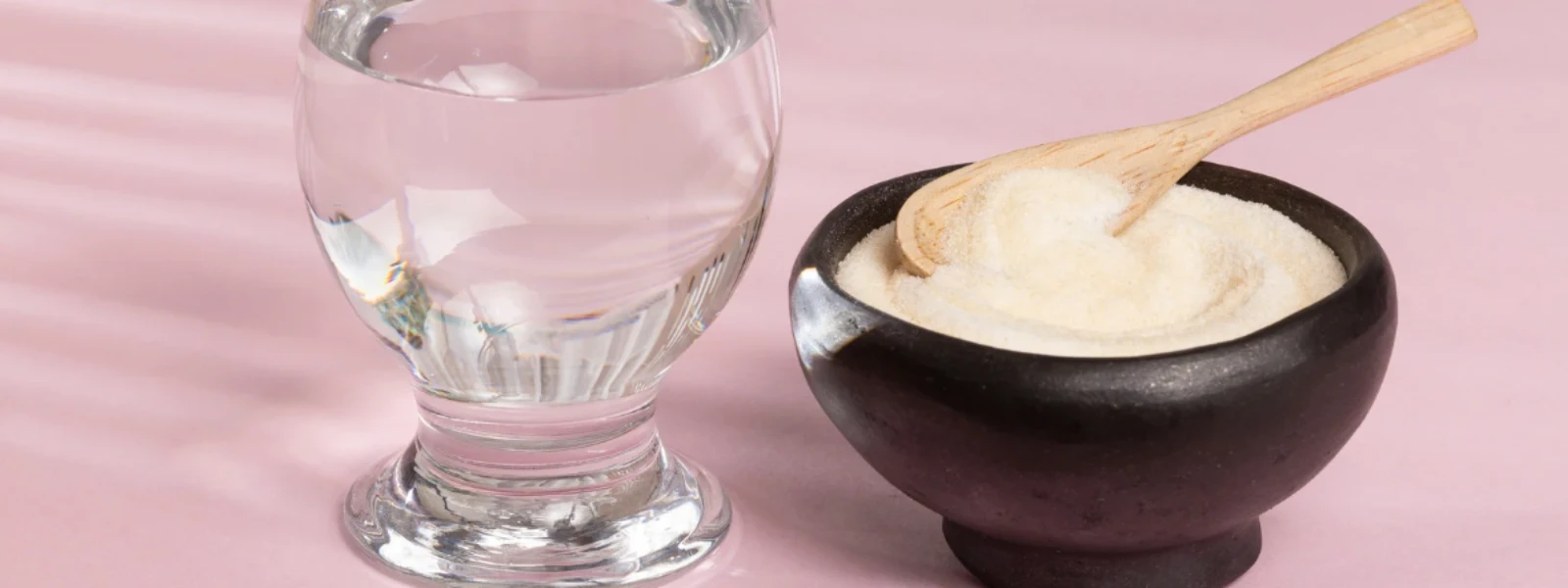


Your skin tells a story. Every fine line, every loss of firmness, and every change in texture reflects the natural aging process. But what if you could rewrite that story? Two powerful ingredients have emerged as the leading champions in the fight against aging: collagen and retinol. While both promise younger-looking skin, they work through completely different mechanisms. Understanding these differences can help you make the right choice for your unique skin needs and goals.
This comprehensive guide will explore the science behind both ingredients, compare their effectiveness for specific skin concerns, and help you determine whether collagen or retinol deserves a place in your skincare routine. You'll discover how each ingredient works, when to use them, and whether combining both could be the ultimate anti-aging strategy.
Retinol belongs to the retinoid family, derived from Vitamin A. This powerful ingredient works by accelerating your skin's natural cell turnover process. When applied topically, retinol penetrates deep into the skin layers and communicates with your cells at a molecular level.
The magic happens through cellular renewal. Retinol encourages old, damaged skin cells to shed more quickly while promoting the formation of new, healthy cells. This process reveals fresher skin underneath and gradually improves overall skin texture and appearance.
Perhaps most importantly, retinol stimulates your skin's natural collagen production from within. As we age, collagen production naturally decreases by about 1% per year after age 25. Retinol helps counteract this decline by encouraging fibroblasts to produce more collagen, leading to improved skin elasticity and firmness over time.
Collagen is the most abundant protein in your body, making up about 75% of your skin's dry weight. It provides the structural framework that keeps skin firm, plump, and youthful. When it comes to skincare, collagen works in two main ways: topically and internally through supplements.
Topical collagen products provide immediate surface benefits. While collagen molecules are typically too large to penetrate deeply into the skin, they form a protective film on the surface that helps retain moisture and provides temporary plumping effects. This creates an immediate improvement in skin hydration and can temporarily reduce the appearance of fine lines.
Collagen supplements work differently. When taken orally, collagen peptides are broken down into amino acids during digestion. These amino acids then serve as building blocks that your body can use to produce new collagen internally. Research suggests that collagen supplements may help improve skin elasticity, hydration, and overall appearance from the inside out.
For long-term wrinkle prevention and treatment, retinol takes the lead. Clinical studies consistently show that retinol can significantly reduce the appearance of fine lines and wrinkles over time. The ingredient works by increasing collagen production and improving skin cell turnover, which helps smooth out existing wrinkles and prevents new ones from forming.
Collagen offers more immediate but temporary results for wrinkle reduction. The plumping effect of topical collagen can make fine lines appear less noticeable within hours of application. However, these effects are primarily cosmetic and temporary, lasting only as long as the product remains on your skin.
For sustainable wrinkle reduction, retinol requires patience. Most people begin seeing noticeable improvements after 12-16 weeks of consistent use. Collagen supplements may take 8-12 weeks to show measurable benefits for skin elasticity and hydration.
When it comes to improving skin elasticity and firmness, retinol emerges as the more effective option. By stimulating natural collagen production, retinol addresses the root cause of skin sagging and loss of firmness. This makes it particularly valuable for mature skin that has experienced significant collagen loss.
Collagen supplements can support skin elasticity, but the evidence is more limited. Some studies suggest that marine collagen peptides may help improve skin elasticity when taken consistently over several months. However, the body's ability to utilize supplemental collagen for skin benefits varies among individuals.
Topical collagen provides minimal benefits for true skin elasticity. While it can temporarily plump the skin, it doesn't address the underlying structural changes that occur with aging.
Did You Know?
Your skin produces about 1% less collagen each year after age 25. By age 50, you've lost approximately 25% of your natural collagen production. This is why preventative skincare becomes increasingly important as you age.
Retinol excels at addressing multiple skin concerns beyond anti-aging. Its ability to increase cell turnover makes it highly effective for treating acne and preventing future breakouts. By keeping pores clear of dead skin cells and excess oil, retinol helps reduce both blackheads and inflammatory acne.
For enlarged pores, retinol offers significant benefits. The increased cell turnover helps prevent pore-clogging debris while the collagen-stimulating effects can help tighten the skin around pores, making them appear smaller over time.
Skin texture improvements are another area where retinol shines. Whether dealing with rough patches, uneven tone, or post-acne scarring, retinol's resurfacing effects can gradually smooth and refine skin texture.
Collagen is ideal for those seeking immediate hydration and plumping benefits. If your primary concern is dry, dehydrated skin, topical collagen products can provide instant moisture and a more supple appearance.
For sensitive skin that cannot tolerate retinol, collagen offers a gentle alternative for anti-aging support. While the results may be more subtle, collagen can help maintain skin hydration and provide some plumping benefits without irritation.
Collagen supplements may be particularly beneficial for those looking to support overall skin health from within, especially when combined with other skin-supporting nutrients.
The delicate under-eye area requires special consideration when choosing between collagen and retinol. This thin skin is more susceptible to irritation and may not tolerate retinol well, especially in higher concentrations.
Collagen-based eye creams are often better suited for this sensitive area. They provide hydration and temporary plumping without the risk of irritation that retinol can cause around the eyes.
If using retinol near the eye area, choose specifically formulated eye products with lower concentrations and avoid the immediate under-eye area where skin is thinnest.
Using both collagen and retinol together can create a comprehensive anti-aging approach, but proper application order is crucial. The general rule is to apply products from thinnest to thickest consistency.
In the evening, apply retinol serum first on clean skin, allowing it to penetrate for 15-20 minutes. Follow with a collagen-containing moisturizer to provide hydration and help buffer any potential irritation from the retinol.
During morning routines, focus on collagen-based products for hydration and protection, avoiding retinol which can increase sun sensitivity.
A morning routine with collagen might include a gentle cleanser, followed by a collagen serum or moisturizer, and always finishing with broad-spectrum sunscreen. This approach provides hydration and protection throughout the day.
Evening routines can incorporate retinol 2-3 times per week initially, gradually increasing frequency as your skin adapts. On retinol nights, follow with a collagen-rich moisturizer. On non-retinol nights, you can use collagen products more liberally.
Always use sunscreen during the day when using retinol, as it can increase photosensitivity and make your skin more susceptible to UV damage.
In your twenties and early thirties, prevention is key. This is an ideal time to introduce gentle retinol products to maintain healthy cell turnover and prevent early signs of aging. Start with lower concentrations (0.25-0.5%) and use 1-2 times per week.
Collagen supplements can also be beneficial during this stage to support your body's natural collagen production before significant decline begins. Focus on maintaining healthy lifestyle habits that support natural collagen synthesis, including adequate protein intake and sun protection.
As you enter your forties and beyond, more intensive approaches may be needed. Higher-strength retinol products (0.5-1%) can be introduced gradually for those with established tolerance. This is when retinol's collagen-stimulating effects become particularly valuable.
Collagen supplements may become more beneficial as natural production significantly decreases. Look for clinically proven marine collagen peptides that have shown effectiveness in improving skin elasticity and hydration in mature skin.
Combining both approaches - topical retinol for surface improvements and collagen supplements for internal support - can provide comprehensive anti-aging benefits.
Retinol serums typically offer higher concentrations and faster absorption, making them ideal for those with established retinol tolerance. They work well under moisturizers and can be easily layered with other products.
Retinol creams often contain lower concentrations but include moisturizing ingredients that can help buffer potential irritation. These are better suited for beginners or those with sensitive skin.
When starting with retinol, begin with concentrations between 0.25-0.5% and gradually increase as your skin adapts. Look for products that include stabilizing ingredients to maintain retinol potency.
The choice between collagen supplements and topical products depends on your specific goals. Topical collagen provides immediate hydration and temporary plumping effects, making it ideal for daily skincare routines.
Collagen supplements work from within and may provide more comprehensive benefits for overall skin health. Look for hydrolyzed marine collagen peptides, which have shown the best absorption and effectiveness in clinical studies.
Quality matters significantly with collagen supplements. Choose products that provide at least 2.5-5 grams of collagen peptides per serving and are third-party tested for purity and potency.
Retinol is generally more effective for long-term wrinkle reduction because it stimulates natural collagen production and increases cell turnover. While collagen can provide temporary plumping effects that make wrinkles less noticeable, retinol addresses the underlying causes of wrinkle formation and provides lasting improvements with consistent use.
Yes, retinol and collagen can be used together safely and may even complement each other. Use retinol in the evening and collagen products in the morning, or layer collagen moisturizer over retinol serum at night. Start slowly with retinol and monitor your skin's response, especially when introducing both ingredients simultaneously.
Apply retinol first on clean skin, then wait 15-20 minutes before applying collagen products. This allows the retinol to penetrate effectively while the collagen product can help provide hydration and potentially buffer any irritation from the retinol.
Retinol is often considered more effective than topical collagen for anti-aging because it stimulates your skin's natural collagen production rather than just providing temporary surface benefits. Other effective anti-aging ingredients include Vitamin C, peptides, and niacinamide, which can work synergistically with retinol for comprehensive skin rejuvenation.
Collagen can be used instead of retinol if you have sensitive skin that cannot tolerate retinoids or if you prefer a gentler approach to skincare. However, collagen alone may not provide the same comprehensive anti-aging benefits as retinol, particularly for wrinkle reduction and skin texture improvement. Consider your specific skin concerns and tolerance when making this choice.
The choice between collagen or retinol doesn't have to be an either-or decision. Both ingredients offer unique benefits that can complement each other in a comprehensive skincare routine. Retinol excels at long-term anti-aging benefits through increased cell turnover and collagen stimulation, while collagen provides immediate hydration and gentle skin support. Your age, skin type, specific concerns, and tolerance levels should guide your decision. For those seeking dramatic anti-aging results, retinol may be the better choice, while those with sensitive skin or immediate hydration needs might prefer collagen. Consider exploring quality skincare solutions that incorporate these scientifically-backed ingredients to support your skin health goals.




Someone sent you
Powered by ReferRush


