Essential Checklist: Collagen Fruits and Veggies
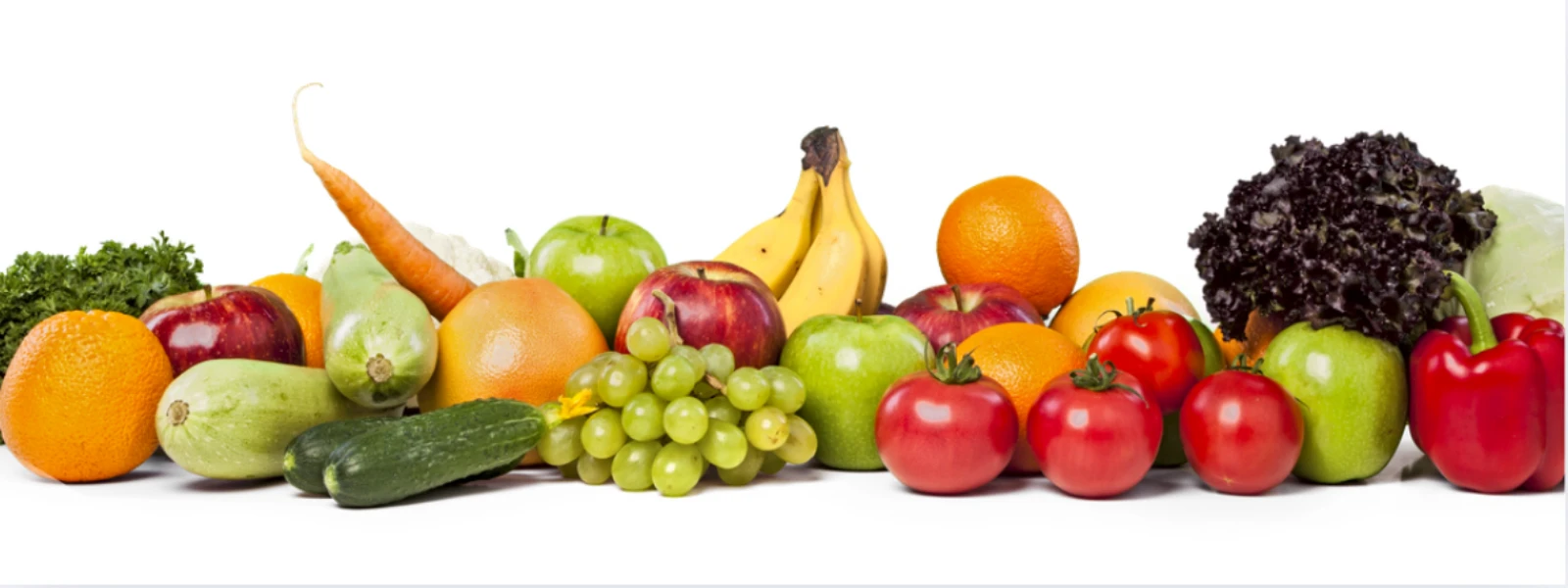


Your skin tells a story of what you feed it. While collagen supplements have gained popularity, the foundation of healthy, radiant skin begins with the foods on your plate. Understanding which collagen fruits and vegetables can support your body's natural collagen production offers a science-backed approach to maintaining skin elasticity and reducing signs of aging.
This comprehensive guide will walk you through the essential fruits and vegetables that support collagen synthesis, helping you create a practical daily routine for healthier skin from the inside out.
Collagen serves as the structural protein that keeps your skin firm, elastic, and youthful. Your body naturally produces collagen, but this production decreases by about 1% each year after age 25. This decline leads to fine lines, wrinkles, and loss of skin elasticity.
Plants don't contain collagen directly, but they provide essential nutrients that support your body's collagen synthesis. Vitamin C acts as a crucial cofactor in collagen production, while antioxidants protect existing collagen from damage caused by free radicals and environmental stressors.
Key nutrients that support collagen include:
Vitamin C for collagen synthesis
Antioxidants for protection against breakdown
Amino acids as building blocks
Minerals like zinc and copper for enzyme function
While animal products provide direct collagen, plant-based foods offer the raw materials and protective compounds your body needs to produce its own collagen. This approach supports sustainable, long-term skin health while providing additional benefits like fiber, vitamins, and phytonutrients.
Oranges, lemons, and grapefruits lead the pack for fruits for collagen production. A single medium orange provides over 90% of your daily Vitamin C needs. This vitamin directly participates in collagen synthesis by helping convert amino acids into collagen fibers.
Red grapefruits contain additional lycopene, which protects existing collagen from UV damage. Lemons, while lower in total vitamin C, provide citrus bioflavonoids that enhance vitamin C absorption and effectiveness.
Strawberries, blueberries, and raspberries offer a double benefit for skin health. These anti-aging foods provide vitamin C while delivering powerful antioxidants called anthocyanins. One cup of strawberries contains more vitamin C than an orange, plus ellagic acid that helps prevent collagen breakdown.
Blueberries contain proanthocyanidins that strengthen collagen fibers and improve skin texture. Raspberries provide additional fiber that supports gut health, which influences skin appearance through the gut-skin axis.
Papaya stands out among tropical fruits with its vitamin C content and papain enzyme, which aids protein digestion and may support amino acid availability for collagen synthesis. Mangoes provide vitamin A alongside vitamin C, supporting skin cell turnover and collagen maintenance.
Pineapple contains bromelain, an enzyme that may help reduce inflammation and support the healing processes involved in collagen repair.
Did You Know?
Guava contains nearly five times more vitamin C than oranges, making it one of the most potent natural sources for supporting collagen production. Just one cup provides over 600% of your daily vitamin C needs.
Red bell peppers contain more vitamin C than any citrus fruit. One cup provides over 200% of your daily needs. Yellow and orange varieties also excel, while green peppers offer moderate amounts plus additional chlorophyll for antioxidant protection.
The vitamin C in bell peppers remains stable when eaten raw, making them perfect for salads and snacks that support continuous collagen synthesis throughout the day.
Spinach, kale, and Swiss chard provide vitamin C along with folate and iron, which support the cellular processes involved in collagen production. These vegetables for skin elasticity also contain lutein and zeaxanthin, antioxidants that protect skin from environmental damage.
Dark leafy greens supply glycine and proline, amino acids that serve as building blocks for collagen formation.
Tomatoes offer a unique approach to collagen support through lycopene, a carotenoid that protects existing collagen from UV-induced breakdown. Cooking tomatoes increases lycopene availability, making tomato sauce and paste particularly beneficial.
Cherry tomatoes provide concentrated nutrients in convenient portions, perfect for snacking or adding to meals throughout the day.
Garlic and onions contain sulfur compounds that support collagen cross-linking, the process that gives collagen its strength and stability. These natural collagen sources also provide quercetin, an antioxidant that reduces inflammation and supports skin healing.
Start your day with a vitamin C-rich smoothie combining strawberries, spinach, and orange juice. This combination provides immediate collagen support while delivering sustained energy and nutrients.
Add a handful of berries to your breakfast for antioxidant protection that lasts throughout the morning.
Include bell peppers in your lunch salad or as a crunchy snack with hummus. The combination of vitamin C and plant-based protein supports ongoing collagen synthesis during your body's active daytime hours.
Tomato-based soups or sauces provide lycopene protection while delivering additional vegetables and nutrients.
Dinner offers an opportunity to include sulfur-rich vegetables like garlic and onions in cooked dishes. These foods for healthy skin work overnight to support collagen repair and regeneration processes.
Dark leafy greens sautéed with garlic provide amino acids and minerals that support nighttime skin recovery.
Keep vitamin C-rich fruits like kiwi, guava, or citrus segments readily available for between-meal collagen support. These snacks maintain steady nutrient levels throughout the day.
Consume vitamin C-rich foods with iron-containing vegetables to enhance absorption of both nutrients. The combination of spinach and strawberries, for example, maximizes the benefits of each ingredient.
Spread collagen boosting foods throughout the day rather than consuming them all at once. Your body can only absorb limited amounts of vitamin C at one time, making consistent intake more effective than large doses.
Eat vitamin C-rich fruits and vegetables raw when possible, as heat can reduce vitamin C content. When cooking is necessary, use gentle methods like steaming or quick sautéing to minimize nutrient loss.
Store cut fruits and vegetables properly to maintain their vitamin C content. Exposure to air, light, and heat accelerates nutrient degradation.
Stay hydrated to support the cellular processes involved in collagen synthesis. Adequate sleep allows your body to focus energy on repair and regeneration processes, including collagen production.
Protect your skin from excessive sun exposure, as UV radiation breaks down existing collagen faster than your body can replace it, even with optimal nutrition.
Guava, strawberries, and citrus fruits offer the highest vitamin C content for supporting collagen synthesis. Berries add antioxidant protection, while tropical fruits like papaya provide additional enzymes that support protein metabolism.
Red bell peppers lead in vitamin C content, while leafy greens provide amino acids and minerals essential for collagen formation. Tomatoes offer unique lycopene protection, and sulfur-rich vegetables like garlic support collagen structure.
Most people begin noticing subtle improvements in skin texture and hydration within 4-6 weeks of consistent dietary changes. Significant changes in fine lines and elasticity typically become apparent after 8-12 weeks of maintaining a collagen-supporting diet.
Yes, plant-based diets can effectively support collagen production by providing vitamin C, antioxidants, and amino acids necessary for synthesis. The key lies in consuming a diverse range of fruits and vegetables while ensuring adequate protein intake from legumes, nuts, and seeds.
Whole foods provide a complex matrix of nutrients that work synergistically to support collagen production and protection. While supplements can complement a healthy diet, they cannot replace the comprehensive nutritional benefits of consuming diverse fruits and vegetables regularly.
Building a diet rich in collagen fruits and vegetables creates the foundation for healthy, resilient skin that ages gracefully. By incorporating vitamin C-rich citrus fruits, antioxidant-packed berries, and nutrient-dense vegetables into your daily routine, you provide your body with the essential tools for optimal collagen production and protection. Remember that consistency matters more than perfection – small, sustainable changes in your eating habits can lead to significant improvements in skin health over time. Consider exploring comprehensive nutrition solutions that complement your whole-food approach to skin wellness and overall health.




Someone sent you
Powered by ReferRush


