From Stress to Nutrition: What’s Causing Your Hair Loss?
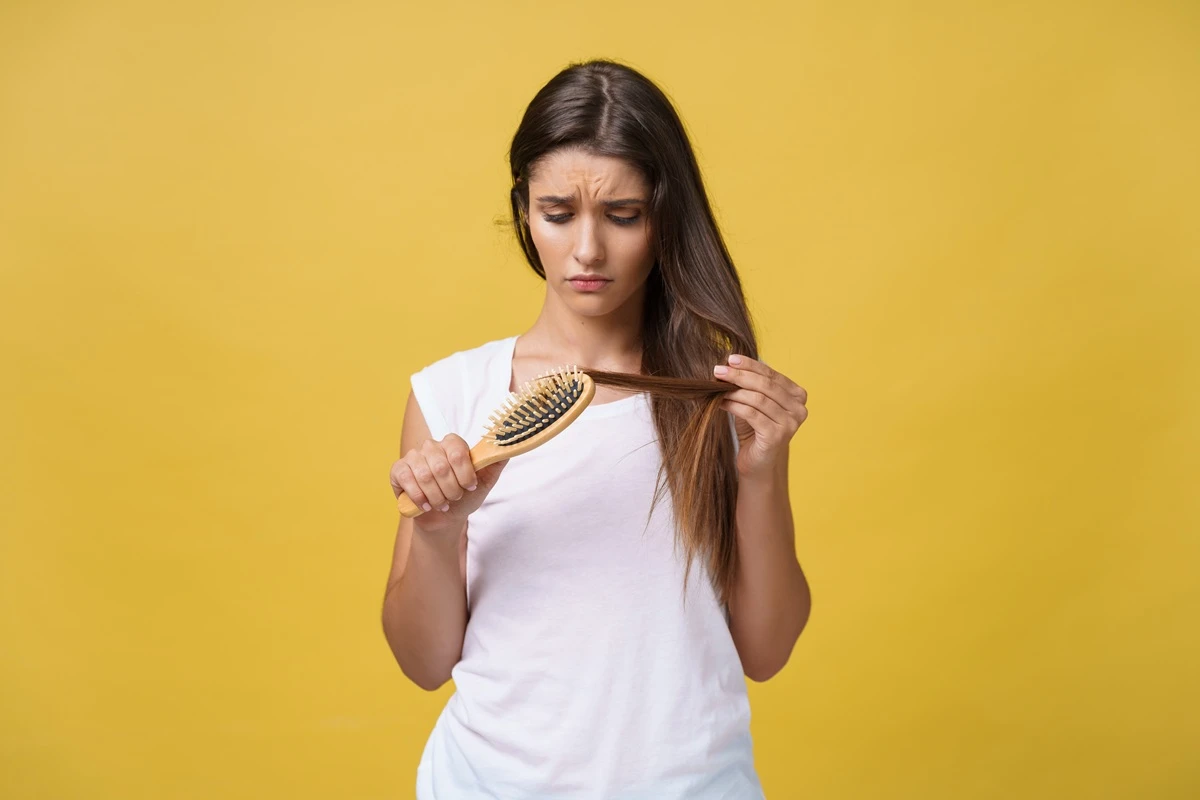


Discovering strands of hair on your pillow, in the shower drain, or scattered on your favorite shirt can trigger a wave of concern. Hair loss affects millions of people worldwide, yet many remain unaware of what's actually causing their thinning locks. Understanding the various factors behind hair fall is the first step toward addressing this common concern that impacts both confidence and well-being.
This comprehensive guide will help you identify the different causes of hair loss, from genetic predisposition to lifestyle choices. You'll learn to distinguish between normal shedding and excessive hair fall, explore the underlying causes of alopecia, and discover how nutrition and supplements might support your hair health journey.
Your hair follows a natural cycle with three distinct phases. The growth phase, called anagen, lasts two to seven years and determines your hair's length. During the transitional phase, or catagen, hair stops growing for about two weeks. Finally, the resting phase, known as telogen, allows old hair to shed while new hair begins to form underneath.
This cycle ensures continuous hair renewal. Each hair follicle operates independently, which is why you don't lose all your hair at once. The timing and duration of each phase can vary based on genetics, age, and overall health.
Losing 50 to 100 hairs daily is completely normal. This natural shedding allows room for new growth and maintains your hair's overall health. However, when you consistently lose more than this amount, it may signal excessive hair loss that requires attention.
Signs of excessive hair fall include noticeable thinning, widening part lines, or seeing more scalp than usual. You might also notice increased hair in your brush, on clothing, or around your living space.
Many people believe that washing hair frequently causes hair loss. In reality, shampooing simply removes hairs that were already ready to fall out. Another common myth suggests that wearing hats or caps leads to baldness, but this has no scientific basis unless the headwear is extremely tight and worn constantly.
Some also think that hair loss only affects older adults. However, hair thinning can begin as early as the teenage years, depending on various factors including genetics and lifestyle choices.
Hereditary hair loss, also known as androgenetic alopecia, accounts for about 95% of hair loss in men and is increasingly common in women. This condition follows predictable patterns, typically starting with a receding hairline in men or overall thinning in women.
Your genes determine how sensitive your hair follicles are to hormones, particularly dihydrotestosterone (DHT). When follicles are sensitive to DHT, they gradually shrink, producing thinner and shorter hairs until they eventually stop producing hair altogether.
Fluctuating hormone levels can significantly impact hair growth. Women may experience hair thinning during pregnancy, after childbirth, or during menopause due to changing estrogen levels. Thyroid disorders, both overactive and underactive, can also disrupt the hair growth cycle.
Polycystic ovary syndrome (PCOS) affects many women and can lead to hair thinning due to elevated androgen levels. These hormonal imbalances create an environment where hair follicles struggle to maintain healthy growth patterns.
Several medical conditions can trigger hair loss. Autoimmune diseases like alopecia areata cause the immune system to attack hair follicles, resulting in patchy hair loss. Scalp infections, such as ringworm, can also damage hair follicles and cause temporary or permanent hair loss in affected areas.
Certain medications used to treat cancer, arthritis, depression, heart problems, and high blood pressure may cause hair loss as a side effect. The good news is that medication-related hair loss is often temporary and reverses once treatment ends.
Your hair needs specific nutrients to grow strong and healthy. Iron deficiency, particularly common in women, can lead to diffuse hair thinning. Protein deficiency also affects hair growth since hair is primarily made of a protein called keratin.
Deficiencies in Vitamin D, Vitamin b12, and zinc can also contribute to hair fall triggers. A balanced diet rich in these nutrients supports optimal hair health and growth.
Chronic stress disrupts many bodily functions, including hair growth. When you're stressed, your body produces higher levels of cortisol, which can push hair follicles into the resting phase prematurely. This results in increased shedding several months after the stressful event.
Physical stress from surgery, illness, or extreme weight loss can also trigger temporary hair loss. The good news is that stress-related hair loss is often reversible once stress levels decrease and your body recovers.
Did You Know? Stress Management for Hair Health
Stress reduction techniques can significantly impact hair health. Regular exercise, meditation, and adequate sleep can help manage stress levels and potentially reduce stress-related hair loss.
What you eat directly affects your hair's health and appearance. Crash diets, eating disorders, or severely restricted calorie intake can lead to nutritional deficiencies that manifest as hair thinning. Your hair follicles need a steady supply of nutrients to function properly.
Processed foods high in sugar and lacking in essential nutrients cannot support optimal hair growth. A diet rich in lean proteins, healthy fats, vitamins, and minerals provides the building blocks your hair needs to grow strong and resilient.
Aggressive brushing, especially when hair is wet and vulnerable, can cause breakage and damage. Tight hairstyles like ponytails, braids, or buns that pull on the hair shaft can lead to traction alopecia, a form of hair loss caused by constant tension.
Frequent use of elastic bands, clips, or other accessories that grip tightly can also contribute to hair breakage and thinning over time.
Regular use of blow dryers, flat irons, and curling tools can weaken hair structure and lead to breakage. Chemical treatments like bleaching, perming, or frequent coloring can also damage the hair shaft and make it more prone to breaking.
The combination of heat and chemicals is particularly damaging, as it can strip away the hair's natural protective layer and leave it brittle and weak.
Alopecia areata occurs when your immune system mistakenly attacks healthy hair follicles. This condition can cause sudden, patchy hair loss anywhere on the body. In severe cases, it can progress to complete scalp hair loss (alopecia totalis) or total body hair loss (alopecia universalis).
The exact trigger for autoimmune hair loss remains unclear, but genetics and environmental factors likely play a role. Stress and illness may also contribute to the onset or worsening of autoimmune alopecia.
Fungal infections of the scalp, such as ringworm, can cause patchy hair loss accompanied by scaling, redness, and sometimes painful sores. These infections are more common in children but can affect adults too, particularly those with compromised immune systems.
Bacterial infections can also affect the scalp and hair follicles, leading to inflammation and temporary hair loss in the affected areas.
Chemotherapy drugs are well-known for causing hair loss, but many other medications can also affect hair growth. Blood thinners, antidepressants, birth control pills, and medications for arthritis or high blood pressure may contribute to hair thinning.
Radiation therapy to the head can also cause permanent hair loss in the treated area, depending on the dose and duration of treatment.
Exposure to pollutants, harsh chemicals, and UV radiation can damage hair and contribute to excessive hair loss. Swimming in chlorinated pools frequently without protection can also weaken hair structure over time.
Hard water with high mineral content can make hair brittle and more prone to breakage, while extreme weather conditions can stress both your scalp and hair follicles.
Protective styles, when done too tightly or left in too long, can actually damage hair. Extensions, weaves, and tight braids can put excessive tension on hair follicles, leading to traction alopecia if the tension is maintained over extended periods.
Frequent chemical relaxing or straightening treatments can also weaken hair structure and contribute to breakage and thinning.
Sudden, significant weight loss can shock your system and trigger temporary hair loss. This type of hair loss, called telogen effluvium, typically occurs three to six months after rapid weight loss and usually resolves as your body adjusts to its new state.
Extreme dieting or weight loss surgery can also lead to nutritional deficiencies that affect hair health.
Managing stress through regular exercise, meditation, or yoga can help maintain healthy hair growth cycles. Getting adequate sleep and maintaining a consistent sleep schedule also supports overall hair health.
Avoiding smoking and limiting alcohol consumption can improve circulation to hair follicles and support better nutrient delivery to your scalp.
Gentle hair care practices can prevent unnecessary hair loss. Use a wide-tooth comb on wet hair, avoid tight hairstyles, and limit heat styling. When you do use heat tools, always apply a protective product first.
Choose mild, sulfate-free shampoos and avoid over-washing, which can strip natural oils from your scalp and hair.
A balanced diet forms the foundation of healthy hair growth. However, hair loss supplements can help fill nutritional gaps and provide targeted support for hair health. When choosing supplements, look for products with superior ingredients, highly absorbable formats, palatable flavors to ensure consistent use and maximum benefit.
Biotin, also known as Vitamin B7, plays a crucial role in hair health by supporting keratin production. While biotin deficiency is rare, biotin supplements may help strengthen hair and support growth, particularly in individuals with inadequate dietary intake.
Biotin supplements are generally well-tolerated and can be beneficial as part of a comprehensive approach to hair health.
Iron supports healthy blood flow to hair follicles, while Vitamin D helps create new hair follicles. Vitamin C aids in iron absorption and collagen production, both important for hair structure.
Zinc, selenium, and omega-3 fatty acids also play important roles in maintaining healthy hair growth and preventing excessive shedding.
Yes, stress can indeed cause hair loss. Chronic stress can disrupt the hair growth cycle, pushing more hairs into the resting phase, which can lead to increased shedding.
The effectiveness of hair loss supplements can vary. While some supplements, like those containing biotin, may support hair health, it's essential to address the underlying cause of hair loss for the best results.
In many cases, hair loss can be reversible, especially if the underlying cause is addressed early. However, some types of hair loss, particularly those related to genetics, may be more challenging to reverse completely.
It's normal to lose between 50 to 100 hairs per day. Losing more than this consistently may indicate excessive hair loss and warrant further investigation.
Yes, diet can significantly impact hair health. A balanced diet rich in proteins, vitamins, and minerals is essential for healthy hair growth. Nutritional deficiencies can contribute to hair thinning and loss.
Hair loss stems from various factors ranging from genetics and hormones to lifestyle choices and nutritional status. Understanding these diverse causes empowers you to take a comprehensive approach to maintaining healthy hair. While some factors like genetics cannot be changed, many aspects of hair health remain within your control through proper nutrition, gentle hair care practices, and stress management. Taking a holistic view of your hair health, including addressing underlying nutritional needs and lifestyle habits, can make a meaningful difference in your hair's strength and appearance. Consider exploring science-backed approaches to hair wellness that align with your individual needs and health goals.




Someone sent you
Powered by ReferRush


